
Bloxiverz (neostigmine methylsulfate) injection
Vazculep (phenylephrine HCl) injection
Carton and vial labeling designs were revised to better differentiate Vazculep from Bloxiverz.
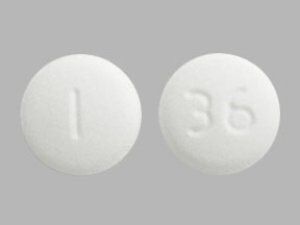
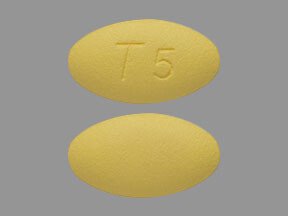
Brintellix (vortioxetine) tablet
Brilinta (ticagrelor) tablet
Brintellix & Brilinta Drug Safety Communication (7/30/15)
FDA approved a brand name change for the antidepressant Brintellix (vortioxetine) in May 2016 to decrease the risk of prescribing and dispensing errors resulting from name confusion with the blood-thinning medicine Brilinta (ticagrelor). The new brand name of vortioxetine is Trintellix.
FDA decided that no action is necessary at this time based on available information.
“Postmarketing Experience” section updated to include gynecomastia.
The “Warnings and Precautions” section of the labeling was updated to include chemical leukoderma.
Iodinated Contrast Media:
- Cholografin meglumine (iodipamide meglumine, 52%) injection
- Conray 43 (iothalamate meglumine, 43%) injection
- Conray 30 (iothalamate meglumine, 30%) injection
- Cystografin dilute (diatrizoate meglumine, 18%) injection
- Isovue (iopamidol) injection (several strengths)
- Omnipaque (iohexol) injection
- Optiray (ioversol) injection (several strengths)
- Oxilan (ioxilan) injection
- Ultravist (iopromide) injection (several strengths)
- Visipaque (iodixanol) injection (several strengths)
Severe cutaneous adverse reactions including:
- Stevens-Johnson Syndrome (SJS)
- Toxic Epidermal Necrolysis (TEN)
- Drug Reaction with Eosinophilia and Systemic Symptoms (DRESS)
- Acute Generalized Exanthematous Pustulosis (AGEP) associated with iodinated contrast media
The Warnings and Precautions and Adverse Reactions sections of the iodinated contrast media product labeling were updated in April 2017 to include the risk of Severe Cutaneous Adverse Reactions, including Stevens-Johnson syndrome (SJS), toxic epidermal necrolysis (TEN), drug reaction with eosinophilia and systemic symptoms (DRESS), and acute generalized exanthematous pustulosis (AGEP).
Over-the-counter chlorhexidine gluconate topical products:
- Bactoshield sponge
- BD E-Z scrub solution
- Chloraprep One-Step (with alcohol) solution
- Chlorhexidine gluconate cloth Dyna-Hex 75 antiseptic handwash solution
- Hibiclens solution
- Hibistat (with alcohol) solution
- Exidine solution
- Exidine aerosol, metered, topical
- Prevantics Maxi Swabstick (with alcohol) solution
- Scrub Care Exidine-2-CHG solution
- Scrub Care solution
- Scrub-Stat solution
FDA Drug Safety Communication (2/2/2017)
The Warnings section of the over-the-counter chlorhexidine gluconate topical products labeling was updated in 2017 to include an Allergy Alert.
The “Warnings,” “Precautions,” and “Adverse Reaction” sections of the labeling were updated to include pulmonary hypertension.
SGLT2 inhibitors:
- Farxiga (dapagliflozin) tablet
- Glyxambi (empagliflozin/linagliptin) tablet
- Jardiance (empagliflozin) tablet
- Invokamet (canagliflozin/metformin HCl) tablet
- Invokana (canagliflozin) tablet
- Synjardy (empagliflozin/metformin HCl) tablets
- Xigduo XR (dapagliflozin/metformin HCl) extended release tablet
FDA decided that no action is necessary at this time based on available information.
Tramadol hydrochloride (HCl) products:
- Conzip (tramadol HCl) extended-release capsule
- Ultracet (tramadol HCl/acetaminophen) tablet
- Ultram (tramadol HCl) tablet
- Ultram ER (tramadol HCl) extended-release tablet
Tramadol Drug Safety Communication (9/21/15)
Consumer Update: Codeine and Tramadol can Cause Breathing Problems for Children (4/20/2017)
The Boxed Warning, Contraindications, Warnings and Precautions, Use in Specific Populations, Patient Counseling Information, and Medication Guide sections of the tramadol labeling were updated in August 2017 to reflect the risks of respiratory depression and CYP2D6 ultra-rapid metabolism.
Tumor Necrosis Factor (TNF) blockers:
- Cimzia (certolizumab pegol) injection
- Enbrel (etanercept) injection
- Humira (adalimumab) injection
- Remicade (infliximab) solution
- Simponi & Simponi Aria (golimumab) injection
The “Drug and Administration” section of the labeling and the vial and carton labeling were updated regarding the drug strength.