
What Is Aspirin Used For? A Patient-Friendly Guide
Aspirin is one of the most familiar over-the-counter medicines in the United States, but familiar does not mean simple. It can be used for several different reasons, and the dose, frequency, and safety concerns can change depending on the goal. Some people use aspirin occasionally for minor aches or fever. Others are told by a healthcare professional to take low-dose aspirin every day as part of a heart or stroke prevention plan.
Because aspirin affects blood clotting, it deserves more caution than many shoppers realize. A tablet taken for a headache is not the same decision as starting daily aspirin for heart protection. This guide explains the major uses of aspirin in patient-friendly language and links to deeper Pill Pals articles on related aspirin topics.
Common Uses of Aspirin
Aspirin belongs to a group of medications called salicylates. It can reduce pain, fever, inflammation, and platelet activity. Platelets are blood cells that help form clots. That clot-related effect is one reason aspirin may be used in selected cardiovascular treatment plans, but it is also why bleeding risk matters.
- Pain relief: Aspirin may help with headaches, toothaches, muscle aches, backaches, and other minor pain.
- Fever reduction: Aspirin can reduce fever in appropriate patients, although it should not be used in children or teenagers unless directed by a clinician.
- Inflammation support: Aspirin can help reduce inflammation-related discomfort in some situations.
- Antiplatelet therapy: Low-dose aspirin may be used under medical guidance to lower the risk of certain heart or stroke events in selected people.
Aspirin for Occasional Pain and Fever
For occasional symptoms, aspirin is usually taken for short-term relief. Patients should read the Drug Facts label carefully and avoid taking more than directed. It is also important to avoid accidental duplication. Some cold, flu, headache, and combination products may contain aspirin or other NSAIDs. Taking multiple products that affect bleeding or the stomach can increase risk.
For more detail, read Aspirin for Pain Relief: How It Works and When It May Help and Aspirin for Fever and Minor Aches: Benefits and Precautions.
Aspirin for Heart and Stroke Prevention
Low-dose aspirin is often associated with heart health because it can reduce platelet clumping. In people who have already had a heart attack, certain strokes, a stent, or other cardiovascular events, aspirin may be part of a clinician-directed plan. This is often called secondary prevention.
However, aspirin is no longer viewed as a routine daily prevention choice for every adult. For people who have never had a heart attack or stroke, the decision is more individualized because the possible benefit must be weighed against bleeding risk. Age, history of ulcers, blood thinner use, kidney disease, and other factors matter. Learn more in Aspirin for Heart Health: What Patients Should Know, Low-Dose Aspirin: Benefits, Risks, and Safety Considerations, and Daily Aspirin Therapy: Who May Benefit and Who Should Be Careful.
Why Aspirin Safety Matters
Aspirin can irritate the stomach and increase bleeding risk. Some bleeding is obvious, such as unusual bruising or black stools. Some bleeding can be hidden or serious, including bleeding in the gastrointestinal tract or brain. People who take blood thinners, steroids, other NSAIDs, or certain supplements should be especially cautious.
Patients should also tell their surgeon, dentist, pharmacist, and prescriber about aspirin use. A clinician may advise stopping aspirin before some procedures, while other patients may be told to continue it because stopping could increase heart risk. The right answer depends on the person and the procedure. For a deeper safety review, see Aspirin Safety: Bleeding Risks, Ulcers, and Drug Interactions and Aspirin and Surgery: Why Patients May Be Told to Stop Before Procedures.
Questions Patients Should Ask
- Am I taking aspirin for occasional relief or for daily prevention?
- What dose should I take, and how often?
- Do I have bleeding risks that make aspirin unsafe?
- Does aspirin interact with my prescriptions or supplements?
- Should I avoid ibuprofen, naproxen, alcohol, or certain procedures while taking aspirin?
A pharmacist can help review labels, duplicate ingredients, and medication interactions. For a practical checklist, read Questions to Ask Your Pharmacist Before Taking Aspirin Daily.
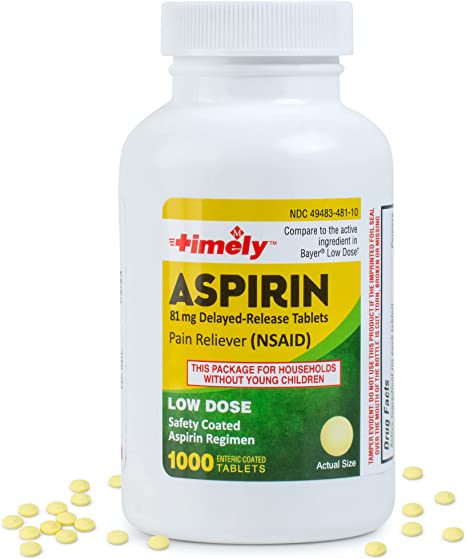
Related Pill Pals OTC option: Looking for an over-the-counter low-dose aspirin option? View the Pill Pals 1000 Count Low Dose Aspirin 81mg.
Medication Safety Note
Aspirin is available over the counter, but it is not safe for everyone. Do not start, stop, or change daily aspirin therapy without speaking with a licensed healthcare professional, especially if you take blood thinners, take other NSAIDs, have a history of ulcers or bleeding, have kidney disease, are pregnant, are preparing for surgery, have had a stroke involving bleeding, or are age 60 or older. Do not give aspirin to children or teenagers unless a healthcare professional specifically recommends it.
Helpful Resources
- MedlinePlus: Aspirin Drug Information
- FDA: Aspirin for Reducing Your Risk of Heart Attack and Stroke
- USPSTF: Aspirin Use to Prevent Cardiovascular Disease
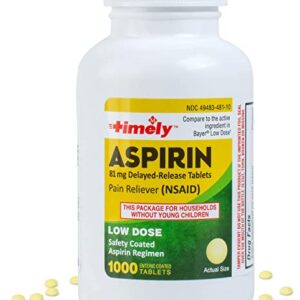
OTC 1000 (1,000) Count Low Dose Aspirin 81mg for Adults and Children 12 years and over --- Generic For Bayer Low Dose --- Time Cap Labs
1000 (1,000) Count Low Dose Aspirin 81mg for Adults and Children 12 years and over --- Generic For Bayer Low Dose --- Time Cap Labs is available through Pill Pals Pharmacy with cash-pay pharmacy pricing and free shipping where available. No prescription required for eligible over-the-counter purchases.