
Aspirin and Inflammation: How It Helps the Body
Inflammation is part of the body’s response to injury, irritation, or illness. It can cause swelling, warmth, redness, and pain. Aspirin can reduce some inflammation-related signals, which is why it may help with certain aches and pains.
Still, aspirin is not a cure for the cause of inflammation. It may reduce symptoms, but patients should seek medical advice for severe, persistent, worsening, or unexplained inflammation.
How Aspirin Works Against Inflammation
Aspirin blocks pathways involved in producing substances that contribute to pain, fever, and inflammation. This can reduce discomfort in some conditions. Because aspirin is an NSAID, it shares anti-inflammatory features with medicines such as ibuprofen and naproxen, but aspirin also has unique platelet effects.
Inflammation-Related Pain Aspirin May Help
- Minor muscle aches
- Some back or body aches
- Minor arthritis-type discomfort
- Temporary soreness from strain or overuse
- Fever-related body aches in appropriate adults
Patients should follow label directions and avoid taking aspirin for longer than recommended without professional guidance.
When Inflammation Needs Medical Attention
Inflammation accompanied by severe pain, fever, spreading redness, warmth, injury, chest pain, shortness of breath, weakness, or sudden swelling should not be managed with OTC aspirin alone. These symptoms may require urgent care.
Chronic inflammation or ongoing joint pain also deserves evaluation. A clinician can help identify the cause and choose the safest treatment plan.
Why Long-Term Anti-Inflammatory Use Can Be Risky
Using aspirin frequently for inflammation can increase the chance of stomach irritation, ulcers, bleeding, kidney problems, and interactions. Some patients may need a different treatment, a lower-risk option, or monitoring. People taking daily low-dose aspirin for heart health should be especially cautious before adding extra aspirin for pain.
For more safety detail, see Aspirin Safety: Bleeding Risks, Ulcers, and Drug Interactions.
Aspirin Is Not the Only Option
Depending on the cause of discomfort, options may include rest, ice or heat, physical therapy, acetaminophen, topical products, other NSAIDs, prescription medications, or non-medication strategies. The safest choice depends on the patient.
A pharmacist can help compare aspirin with other OTC options. Read Aspirin vs. Ibuprofen: What Is the Difference? and Aspirin vs. Acetaminophen: Choosing the Right Pain Reliever for more comparison guidance.
Use the Smallest Effective Approach
When aspirin is appropriate for occasional inflammation-related discomfort, patients should use it according to the label and avoid unnecessary duplication with other NSAIDs. If symptoms continue, worsen, or return frequently, the next step should be evaluation rather than simply taking more aspirin.
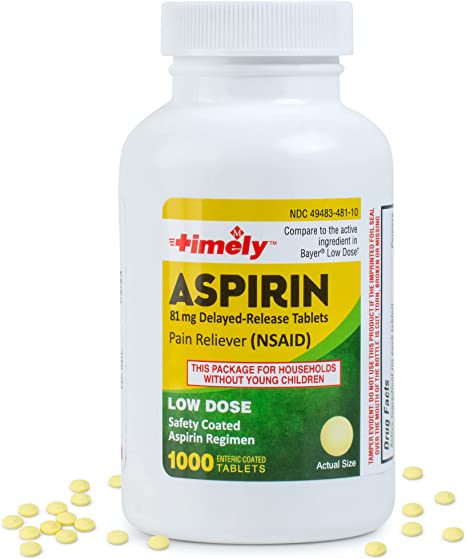
Related Pill Pals OTC option: Looking for an over-the-counter low-dose aspirin option? View the Pill Pals 1000 Count Low Dose Aspirin 81mg.
For a broader introduction, see What Is Aspirin Used For? A Patient-Friendly Guide.
Medication Safety Note
Aspirin is available over the counter, but it is not safe for everyone. Do not start, stop, or change daily aspirin therapy without speaking with a licensed healthcare professional, especially if you take blood thinners, take other NSAIDs, have a history of ulcers or bleeding, have kidney disease, are pregnant, are preparing for surgery, have had a stroke involving bleeding, or are age 60 or older. Do not give aspirin to children or teenagers unless a healthcare professional specifically recommends it.
Helpful Resources
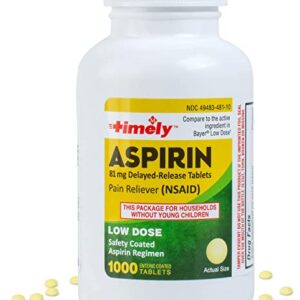
OTC 1000 (1,000) Count Low Dose Aspirin 81mg for Adults and Children 12 years and over --- Generic For Bayer Low Dose --- Time Cap Labs
1000 (1,000) Count Low Dose Aspirin 81mg for Adults and Children 12 years and over --- Generic For Bayer Low Dose --- Time Cap Labs is available through Pill Pals Pharmacy with cash-pay pharmacy pricing and free shipping where available. No prescription required for eligible over-the-counter purchases.