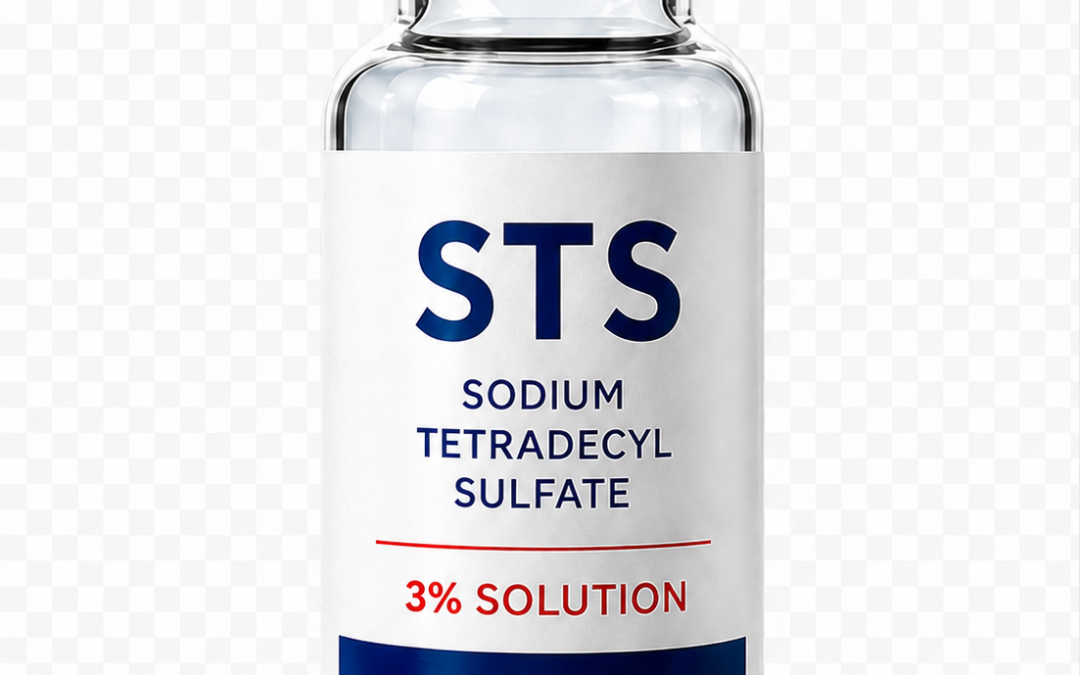

Vein clinics use Sodium Tetradecyl Sulfate because STS is a recognized sclerosing agent for selected vein treatment workflows. In sclerotherapy, the clinical objective is to treat a targeted abnormal vein by introducing a medication that causes the vessel wall to react, close, and eventually become less visible or less clinically significant.
For vein surgeons and surgical centers, STS is often part of a larger operational process. The clinic must evaluate the patient, document vein findings, select the appropriate treatment method, prepare the medication according to protocol, perform the procedure, monitor the patient, and manage follow-up care. STS supply quality and availability therefore matter to both clinical and administrative teams.
Why STS fits the vein clinic setting
STS is used in vein clinics because vein clinics are built around precision vascular care. These practices typically have clinicians who understand venous anatomy, duplex ultrasound findings, patient risk factors, and the difference between cosmetic and medically necessary vein treatment. The same environment that supports careful diagnosis also supports appropriate selection and use of sclerosing agents.
In many practices, STS may be considered for certain varicose veins, reticular veins, or other vein presentations when the clinician determines it is appropriate. The product is not a substitute for clinical judgment. Instead, it is one tool within a vein care program that may also include compression therapy, endovenous ablation, microphlebectomy, ultrasound-guided procedures, and follow-up surveillance.
What clinic administrators care about
Administrators often focus on three questions: Can we obtain STS reliably? Can we control vial cost? Can we trust the supply chain? A vein clinic may run efficiently only when the physician has the supplies needed on procedure day. If a clinic is uncertain about vial availability, expiration dating, or price, scheduling becomes more difficult.
That is why The Health Pals Company positions STS access as a practical clinic supply solution. The goal is to help vein practices reduce unnecessary product expense while maintaining a serious approach to quality and procurement.
STS and procedure economics
Vein procedures are not judged only by revenue. They are also judged by the cost of staff time, room time, supplies, ultrasound resources, documentation, and follow-up. A high-priced injectable can create margin pressure across the procedure. When commercial STS vial pricing is treated as a $200-per-vial line item, it can become a noticeable operating cost for busy practices.
Lower STS vial pricing can help a clinic preserve margin without changing its clinical standards. A better supply pathway may also allow the practice to keep more inventory on hand, reduce panic ordering, and maintain a smoother procedure schedule.
What to ask before choosing an STS source
Before choosing a supplier, vein clinics should ask about source facility type, sterile production controls, vial concentration, expiration dating, ordering process, documentation, minimum order requirements, and whether the supplier understands the needs of vein surgeons. A price quote alone does not tell the whole story.
For more operational guidance, review STS vial storage and expiration planning and where physicians can obtain better STS vial pricing.
Pill Pals Pharmacy is part of The Health Pals Company. To order STS vials, email [email protected]