
Drug affordability is more than the price printed on a pharmacy receipt. For many households, it determines whether a prescription is filled today, delayed until payday, split in half, or skipped completely. A medication can be clinically appropriate and still fail the patient if the cost makes it hard to continue.
A useful way to think about drug affordability is to ask whether a patient can obtain the right medication, at the right time, in the right quantity, without creating financial hardship. That includes the cash price, insurance copay, deductible, shipping cost, refill timing, and the emotional stress that comes from not knowing what the next prescription will cost.
Why affordability affects health
When medicine becomes too expensive, patients may postpone refills, take doses less often than prescribed, or avoid discussing the problem because they feel embarrassed. Those decisions can quietly worsen chronic conditions and lead to more expensive care later. Drug affordability is therefore not only a financial issue; it is also a medication safety and adherence issue.
Families also feel the effect. Parents, caregivers, and adult children often help pay for medications, compare pharmacies, and coordinate refills. A transparent and predictable drug cost can reduce stress for everyone involved.
The main parts of an affordable prescription
Affordability usually depends on four things: the medication selected, the quantity dispensed, the pharmacy price, and the patient’s coverage situation. A generic medication may be inexpensive at one pharmacy and surprisingly costly at another. A 90-day supply may reduce repeat copays for one patient but create an upfront burden for another.
This is why patients should not assume that the first price they hear is the only option. A pharmacist can often help identify a lower-cost equivalent, a different package size, or a cash-pay price that is easier to manage. For more on this comparison, see Cash Price vs. Insurance Copay: Which Is More Affordable?.
Practical steps patients can take
Patients can improve affordability by asking whether a generic is available, comparing the cash price with the insurance copay, checking whether a 30-day or 90-day supply is more practical, and reviewing the medication list at least once or twice a year. It also helps to keep one updated medication list so prescribers and pharmacists can spot duplicates or opportunities to simplify therapy.
Another simple step is to ask for the total out-of-pocket price before the prescription is filled. This can prevent surprises and gives the patient time to ask about alternatives. For a deeper checklist, read How to Compare Pharmacy Prices Before You Fill a Prescription.
What drug affordability is not
Drug affordability should never mean changing therapy without professional guidance. Patients should not split tablets, skip doses, or switch medications unless a licensed clinician or pharmacist confirms that the change is safe. The goal is to lower avoidable costs while protecting the treatment plan.
The best affordability strategy is a team effort: patient, prescriber, pharmacist, and caregiver when appropriate. When cost is discussed early, there are usually more options than when a patient waits until the medication has already become unaffordable.
Related Reading on Drug Affordability
For more patient-friendly guidance on this topic, read Cash Price vs. Insurance Copay: Which Is More Affordable?; and How to Compare Pharmacy Prices Before You Fill a Prescription.
Medication Affordability Note
This article is for general educational purposes and is not a substitute for medical advice. Patients should ask a licensed pharmacist or prescriber before changing, stopping, splitting, or substituting any medication because of cost.
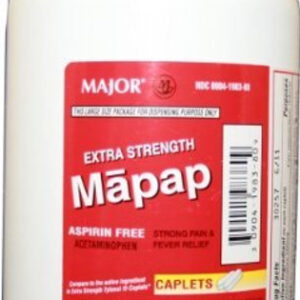
OTC Acetaminophen 500 MG Caplets ---1,000 Count --- Generic For Tylenol --- Major / Rugby
Acetaminophen 500 MG Caplets ---1,000 Count --- Generic For Tylenol --- Major Pharma is available through Pill Pals Pharmacy with cash-pay pharmacy pricing and free shipping where available. No prescription required for eligible over-the-counter purchases.