

Journal Article Summary
The article examines the antithrombotic properties of aspirin, focusing on its effects beyond just preventing platelet aggregation. This topic is significant because aspirin is widely used to reduce the risk of cardiovascular events in patients who are at high risk. Understanding the full range of aspirin's actions can help clarify its effectiveness and the reasons behind variations in patient responses, particularly in those who may not benefit as expected from aspirin therapy.
The authors investigated various mechanisms by which aspirin may exert its antithrombotic effects, including its ability to reduce thrombin generation and influence clot formation. They noted that aspirin not only inhibits the production of thromboxane A2, which is crucial for platelet aggregation, but also modifies fibrinogen, enhancing clot lysis and promoting fibrinolysis at higher doses. The study highlights that some patients may experience "aspirin resistance," which could be linked to genetic factors affecting these additional mechanisms, although the clinical significance of these findings remains uncertain.
Despite the insights provided, the study has limitations, including the need for further research to clarify the clinical implications of aspirin's broader actions. Patients should be aware of the concept of aspirin resistance and discuss any concerns with their healthcare providers, especially if they are at high risk for cardiovascular events. It is essential for individuals to understand how their unique genetic makeup may influence their response to aspirin and to consider personalized treatment options in collaboration with their healthcare team.
Medication Safety Note
This journal article summary is provided for educational purposes only and is not medical advice. Always consult a licensed healthcare professional before starting, stopping, or changing any medication.
Article Cited
- Undas Anetta, Brummel-Ziedins Kathleen E., Mann Kenneth G.. Antithrombotic properties of aspirin and resistance to aspirin: beyond strictly antiplatelet actions. Blood 2007. DOI: 10.1182/blood-2006-01-010645. PMID: 17148593. PMCID: PMC1852201.
Featured Pill Pals Product
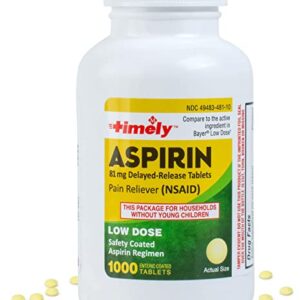
OTC 1000 (1,000) Count Low Dose Aspirin 81mg for Adults and Children 12 years and over --- Generic For Bayer Low Dose --- Time Cap Labs
1000 (1,000) Count Low Dose Aspirin 81mg for Adults and Children 12 years and over --- Generic For Bayer Low Dose --- Time Cap Labs is available through Pill Pals Pharmacy with cash-pay pharmacy pricing and free shipping where available. No prescription required for eligible over-the-counter purchases.