

Journal Article Summary
The article investigates the trends in prescribing evidence-based medications at the time of discharge for patients who survived an acute myocardial infarction (AMI) over a decade, from 2001 to 2011. This topic is significant because optimizing medical therapy during discharge is crucial for improving patient outcomes and reducing the risk of future heart-related issues. Understanding how prescribing practices have evolved can help identify areas for improvement and ensure that patients receive the best possible care after experiencing a heart attack.
The study analyzed data from 5,253 patients discharged from 11 hospitals in central Massachusetts after an AMI. Researchers looked at the prescription rates for four key cardiac medications: aspirin, angiotensin-converting enzyme (ACE) inhibitors or angiotensin receptor blockers (ARBs), beta-blockers, and statins. The findings revealed a notable increase in the use of combination medical therapy (CMT) from 25.6% in 2001 to 48.7% in 2011, with all individual medications also seeing increased prescription rates. However, certain groups of patients, such as those with do-not-resuscitate orders or multiple co-morbidities, were less likely to receive CMT, indicating ongoing disparities in treatment.
Despite the positive trends in medication prescribing, the study has limitations that should be considered. For instance, the researchers did not have information on why certain medications were not prescribed or whether the recommended dosages were followed. Additionally, the study did not assess the long-term adherence of patients to these medications after discharge. Patients and caregivers should discuss these findings with healthcare professionals to understand their specific treatment plans and ensure they receive appropriate medications to support recovery and prevent future heart issues.
Medication Safety Note
This journal article summary is provided for educational purposes only and is not medical advice. Always consult a licensed healthcare professional before starting, stopping, or changing any medication.
Article Cited
- Makam Raghavendra Charan P, Erskine Nathaniel, McManus David D., Lessard Darleen, Gore Joel M., Yarzebski Jorge, Goldberg Robert J.. Decade Long Trends (2001–2011) in the Use of Evidence-based Medical Therapies at the Time of Hospital Discharge for Patients Surviving Acute Myocardial Infarction. The American journal of cardiology 2016. DOI: 10.1016/j.amjcard.2016.08.065. PMID: 27743577. PMCID: PMC5651991.
Featured Pill Pals Product
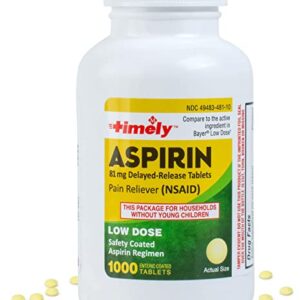
OTC 1000 (1,000) Count Low Dose Aspirin 81mg for Adults and Children 12 years and over --- Generic For Bayer Low Dose --- Time Cap Labs
1000 (1,000) Count Low Dose Aspirin 81mg for Adults and Children 12 years and over --- Generic For Bayer Low Dose --- Time Cap Labs is available through Pill Pals Pharmacy with cash-pay pharmacy pricing and free shipping where available. No prescription required for eligible over-the-counter purchases.