
Medication adherence means taking medicine as prescribed. Drug affordability has a direct effect on adherence because patients are less likely to continue a therapy they cannot afford. Cost-related nonadherence can be quiet, private, and difficult for healthcare teams to detect unless they ask.
A patient may not say, ‘I cannot afford this.’ Instead, they may say the medication is not needed, they still have some left, or they forgot to refill it. Creating space for affordability conversations can prevent missed doses and avoidable health setbacks.
Common signs that cost is affecting adherence
Patients may stretch a prescription longer than intended, skip weekend doses, take one tablet instead of two, or delay pickup until payday. They may also abandon a prescription after hearing the price. These actions are understandable, but they can be unsafe.
Caregivers and pharmacists should treat refill delays as a possible affordability signal, not only a forgetfulness issue.
Why patients may not mention cost
Some patients feel embarrassed, rushed, or unsure whether the pharmacy can help. Others assume the prescriber chose the only available medication. A simple question from the healthcare team can change the conversation: ‘Is the cost of this medication manageable for you?’
Patients can also start the discussion themselves by asking about lower-cost options. See Questions to Ask Your Pharmacist About Drug Affordability.
Affordability supports consistent routines
A predictable medication cost makes it easier to schedule refills and budget for therapy. When costs fluctuate, patients may lose trust in the refill process and delay treatment while they search for alternatives.
This is where price comparison and cash-pay options can help. For a related article, read How Cash-Pay Pharmacies Can Support Drug Affordability.
The safest response to high costs
Patients should not change the dose or stop a medication without guidance. The safer response is to call the pharmacist or prescriber and explain the cost problem. There may be a generic, different quantity, alternative drug, discount option, or plan exception to consider.
Drug affordability works best when it is addressed before nonadherence begins.
Related Reading on Drug Affordability
For more patient-friendly guidance on this topic, read Questions to Ask Your Pharmacist About Drug Affordability; and How Cash-Pay Pharmacies Can Support Drug Affordability.
Medication Affordability Note
This article is for general educational purposes and is not a substitute for medical advice. Patients should ask a licensed pharmacist or prescriber before changing, stopping, splitting, or substituting any medication because of cost.
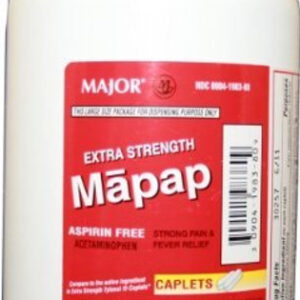
OTC Acetaminophen 500 MG Caplets ---1,000 Count --- Generic For Tylenol --- Major / Rugby
Acetaminophen 500 MG Caplets ---1,000 Count --- Generic For Tylenol --- Major Pharma is available through Pill Pals Pharmacy with cash-pay pharmacy pricing and free shipping where available. No prescription required for eligible over-the-counter purchases.