
Medication mistakes at home can happen even when caregivers are careful. A loved one may take several medications, receive new instructions after a hospital visit, or have more than one caregiver helping. Pills may look alike. Bottles may be hard to read. Schedules may change. These factors can increase the risk of missed doses, duplicate doses, wrong doses, or confusion about whether a medication is still active.
The CDC recognizes adverse drug events, including medication errors and overmedication, as a serious patient-safety concern. Caregivers can reduce risk by creating systems that make mistakes less likely.
Use the “right medication, right dose, right time” mindset
Before giving medication, pause and confirm the basics: the right person, right medication, right strength, right dose, right time, right route, and right instructions. This may sound formal, but it can be very helpful when the home has several medications or more than one person receiving care.
Keep discontinued medications away from active medications
One of the easiest ways to create confusion is to leave stopped medications next to current medications. If a prescriber discontinues a medication, separate it from active medications and ask the pharmacy about safe disposal. Do not keep it in the daily medication area “just in case.”
Check the medication list after every change
Any medication change should trigger a review of the medication list, pill organizer, refill calendar, and caregiver notes. This includes dose changes, new prescriptions, stopped medications, hospital discharge instructions, and OTC products added at home.
Do not rely on pill appearance alone
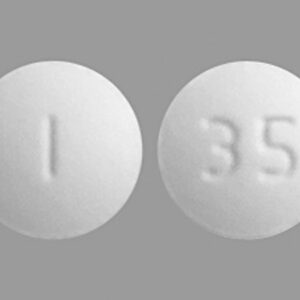
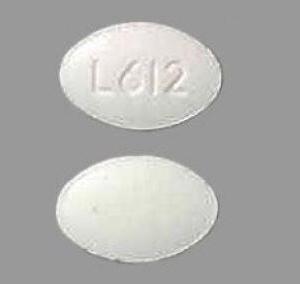
Medications can look different after a refill because the pharmacy may use a different manufacturer. If a pill looks different, do not assume it is wrong, but do not ignore it either. Call the pharmacy to confirm the medication, strength, and directions.
Create a missed-dose plan
Caregivers should know what to do if a dose is missed. The answer can vary by medication. For some medications, the loved one may take the dose when remembered. For others, taking a late dose may not be appropriate. Ask the pharmacist or prescriber for specific missed-dose instructions.
Use a communication notebook
If more than one caregiver helps, a notebook or shared digital note can prevent duplicate dosing. Record medication times, symptoms, side effects, missed doses, refill requests, and questions. This is especially helpful for loved ones with memory problems.
Review high-risk moments
Medication mistakes are more likely during transitions: after hospitalization, after a new diagnosis, when a caregiver is tired, when routines change, or when a loved one travels. Plan extra review time during these periods.
For more detail, read Medication Management After Hospital Discharge: A Caregiver Guide and Why Caregivers Should Keep an Updated Medication List.
Pill Pals can help simplify medication access
Medication mistakes are often connected to complexity. Pill Pals works to make pharmacy care, medication savings, and medication tools easier to access. Learn more at Pill Pals.
Medication safety note: Caregivers should not start, stop, split, crush, or change how a medication is taken unless instructed by a pharmacist or prescriber. Some medications should not be crushed or split, and medication changes should always be reviewed by a licensed healthcare professional.