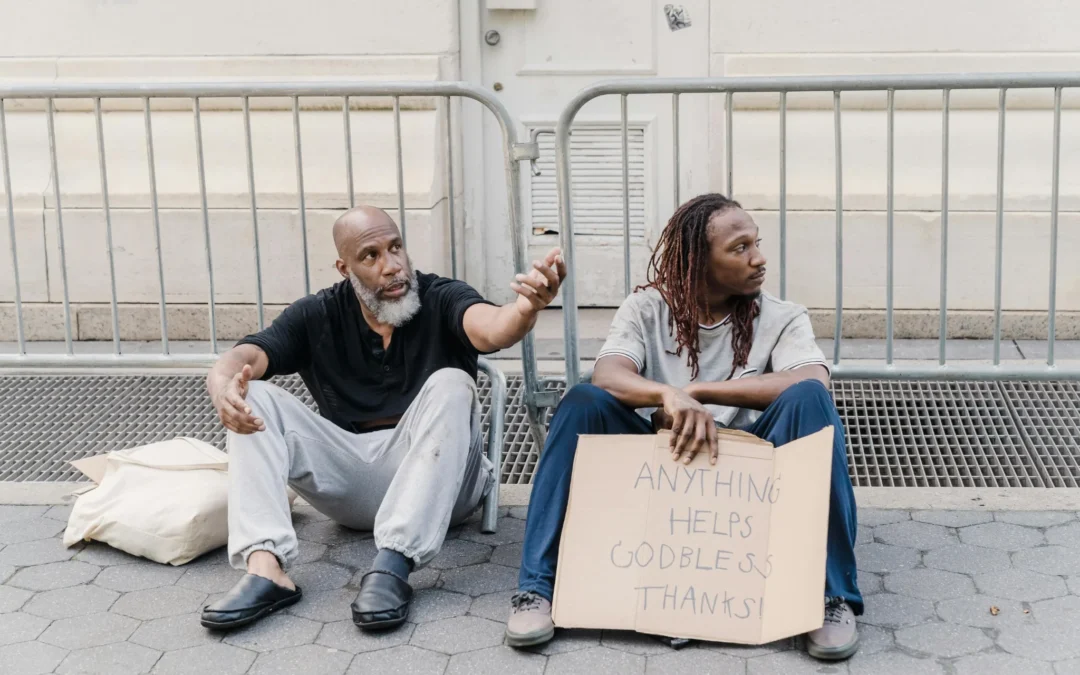

Homeless shelters are often asked to solve health problems that were never meant to fall entirely on shelter staff. A resident may arrive after an emergency room visit with a paper prescription. Another may have lost a blood pressure medication during a move. Someone else may have been discharged from a psychiatric unit with a short supply of medication, no transportation, no working phone, and no clear refill plan. These situations are not rare. They are part of the day-to-day reality of shelter work.
Prescription access is one of the most practical healthcare needs facing people experiencing homelessness. The issue is not limited to one disease state. Shelter residents may need medications for behavioral health, diabetes, high blood pressure, asthma, infections, seizures, wound care, pregnancy-related needs, or recovery after hospitalization. A person can have insurance and still be unable to get medication if they do not have transportation, identification, a stable address, a reachable phone number, or the ability to coordinate with a prescriber.
Why prescription access becomes complicated
Many pharmacy systems assume that patients have stable routines. The patient receives a call, drives to the pharmacy, pays a copay, stores the medication safely at home, and returns for refills on schedule. For shelter residents, every part of that process can break down. Transportation may be unreliable. Medication may be lost, stolen, damaged by weather, or left behind. Residents may move between shelters, encampments, detox programs, hospitals, jails, and temporary housing. A prescription can expire before it is ever filled.
The CDC notes that people experiencing homelessness commonly face mental illness, alcohol and substance use disorder, diabetes, and heart and lung disease. That means shelters are often supporting residents with multiple medication needs at once, even when the shelter itself is not a clinic or pharmacy.
The shelter’s role is usually coordination, not prescribing
Shelters should not be placed in the position of diagnosing, prescribing, or informally managing medication therapy. A safer model is coordination. Shelter teams can help residents connect with clinics, case managers, hospitals, behavioral health providers, and pharmacies. A pharmacy partner can help with refill timing, delivery options, medication packaging, prescription transfers, and communication with authorized prescribers.
This distinction matters. Medication support should respect state law, resident privacy, clinical boundaries, and the shelter’s licensure status. A shelter may be able to help residents remember appointments or receive deliveries, but storage, administration, disposal, and documentation policies need to be reviewed carefully.
Where pharmacies can help
A pharmacy can reduce friction by helping residents and case managers understand what prescriptions are active, what refills are available, what medications are affordable, and what needs prescriber follow-up. For shelters, the most valuable pharmacy services are often simple: clear communication, affordable generic pricing, refill synchronization, organized packaging, and predictable delivery or mailing options.
For residents with valid prescriptions, pharmacy support can help prevent interruptions in treatment. A resident who runs out of an antipsychotic, mood stabilizer, seizure medication, blood pressure medication, or insulin-related supply may end up in a crisis that could have been prevented with earlier coordination.
A better landing-page message
The best message to shelters is not, “We sell medication to homeless people.” A better and more respectful message is: “We help shelters and care teams coordinate affordable prescription access for residents who face transportation, cost, storage, and refill barriers.” This frames the service around dignity, continuity, and practical support.
Homeless shelters need partners who understand that prescription access is not just a transaction. It is part of a larger safety net that includes housing support, behavioral health care, primary care, hospital discharge planning, and community outreach.
Related Pill Pals Homeless Shelter Articles
For additional information about prescription access and pharmacy coordination for homeless shelters, see these related Pill Pals resources:
- Behavioral Health Medication Continuity for Homeless Shelter Residents
- Medication Storage Problems in Homeless Shelters
- Prescription Coordination After Hospital Discharge to a Homeless Shelter
- Low-Cost Generic Medications for Homeless Shelter Residents
Pill Pals Pharmacy provides Pharmacy services to Homeless Shelters. Reach out today to learn more by emailing [email protected]