

Journal Article Summary
The article examines the effectiveness of secondary prevention measures following a heart attack, specifically looking at how well local healthcare practices align with the National Service Framework (NSF) for coronary heart disease in South Wales. This topic is important because secondary prevention can significantly reduce the risk of future heart attacks and improve patient outcomes. Understanding the gaps in treatment adherence and ongoing care can help healthcare providers enhance their strategies for managing patients after a myocardial infarction.
The study involved a review of medical records and follow-up questionnaires for 100 patients who had experienced a heart attack between October 1997 and October 1998. The researchers found that while the initial prescription rates for medications like aspirin, beta-blockers, and ACE inhibitors were high at the time of hospital discharge, there were significant issues with ongoing treatment. For example, 25% of patients still had high cholesterol levels after one to two years, and many had stopped taking beta-blockers or were on low doses of ACE inhibitors, indicating that the long-term management of these patients was not meeting recommended targets.
The study has limitations, including its retrospective design and the potential for incomplete data on patient adherence to treatment. These factors highlight the importance of continuous monitoring and support for patients after a heart attack. Patients should discuss their treatment plans and any concerns about medication adherence with their healthcare providers to ensure they are receiving comprehensive care that addresses both immediate and long-term health needs.
Medication Safety Note
This journal article summary is provided for educational purposes only and is not medical advice. Always consult a licensed healthcare professional before starting, stopping, or changing any medication.
Article Cited
- Underwood P, Beck P. Secondary prevention following myocardial infarction: evidence from an audit in South Wales that the National Service Framework for coronary heart disease does not address all the issues. Quality & safety in health care 2002. DOI: 10.1136/qhc.11.3.230. PMID: 12486986. PMCID: PMC1743619.
Featured Pill Pals Product
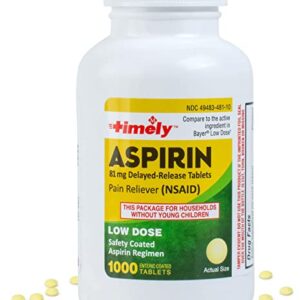
OTC 1000 (1,000) Count Low Dose Aspirin 81mg for Adults and Children 12 years and over --- Generic For Bayer Low Dose --- Time Cap Labs
1000 (1,000) Count Low Dose Aspirin 81mg for Adults and Children 12 years and over --- Generic For Bayer Low Dose --- Time Cap Labs is available through Pill Pals Pharmacy with cash-pay pharmacy pricing and free shipping where available. No prescription required for eligible over-the-counter purchases.