
Journal Article Summary
The article investigates the effects of loratadine, a medication typically used for allergies, on lung adenocarcinoma (LUAD) cells, a common type of lung cancer. This research is significant because LUAD is often associated with inflammation, and existing treatments can have severe side effects. The study aims to explore whether loratadine can be repurposed as a potential cancer therapy due to its anti-inflammatory and anticancer properties, particularly in patients who lack targetable mutations or immune checkpoint characteristics.
The researchers conducted experiments using various LUAD cell lines and a mouse model to assess how loratadine affects cancer cell growth and survival. They found that loratadine inhibited the proliferation of LUAD cells and induced cell death through a process called autophagy. This effect was independent of the histamine receptor H1 (HRH1), suggesting that loratadine works through different mechanisms, including the activation of protein phosphatase 2A (PP2A) and the deactivation of specific signaling pathways (JNK, p38, and STAT3). The study also indicated that combining loratadine with inhibitors of these pathways could enhance its anticancer effects.
However, the study has limitations, including its focus on cell lines and animal models, which may not fully represent human responses. Patients should be cautious and consult healthcare professionals before considering loratadine for cancer treatment, as more research is needed to confirm its safety and efficacy in humans. It is essential for patients to discuss any potential treatment changes with their healthcare providers, especially regarding the use of existing medications for new therapeutic purposes.
Medication Safety Note
This journal article summary is provided for educational purposes only and is not medical advice. Always consult a licensed healthcare professional before starting, stopping, or changing any medication.
Article Cited
- Chien Ming-Hsien, Hung Wen-Yueh, Lai Tsung-Ching, Tsai Ching Han, Lee Kai-Ling, Hsieh Feng-Koo, Lee Wei-Jiunn, Chang Jer-Hwa. The off-target effect of loratadine triggers autophagy-mediated apoptosis in lung adenocarcinoma cells by deactivating JNK, p38, and STAT3 signaling through both PP2A-dependent and independent pathways. International Journal of Molecular Medicine 2025. DOI: 10.3892/ijmm.2025.5495. PMID: 39886963. PMCID: PMC11819771.
Featured Pill Pals Product
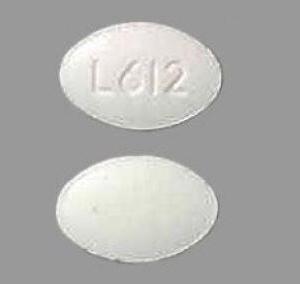
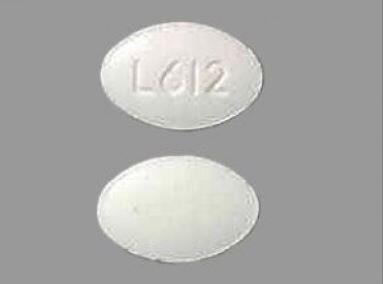
Loratadine 10 mg --- 300 Count Bottle --- Generic For Claritin --- Major / Rugby
Loratadine 10 mg --- 300 Count Bottle --- Generic For Claritin --- Major Pharma is available through Pill Pals Pharmacy with cash-pay pharmacy pricing and free shipping where available. No prescription required for eligible over-the-counter purchases.