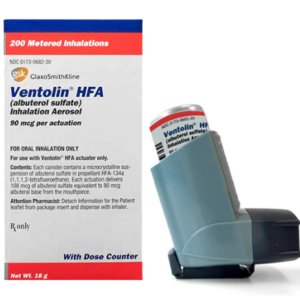


Journal Article Summary
The article investigates the protein profiles in urine, peritoneal fluid, and omental fat from women of reproductive age, focusing on how these profiles change in relation to endometriosis and exposure to endocrine-disrupting chemicals (EDCs). Endometriosis is a condition affecting a significant percentage of women, leading to pelvic pain and infertility, yet its causes remain unclear. Understanding the protein changes associated with this condition could provide insights into its underlying mechanisms and potential environmental influences, particularly from EDCs that may disrupt hormonal balance.
The study involved two stages of proteomic analysis using samples from women diagnosed with endometriosis and those without the condition. Initially, a broad survey was conducted using mass spectrometry techniques, which did not reveal significant differences in protein levels between the two groups. However, a more focused analysis of omental fat samples identified three proteins—matrix metalloproteinase-9, neutrophil elastase, and FAM49B—that were found in lower amounts in women with endometriosis. Notably, the levels of neutrophil elastase and FAM49B were linked to higher concentrations of certain EDCs, suggesting a potential connection between environmental factors and the disease.
The study has limitations, including the small sample size and the inability to detect clear protein differences in all sample types. These factors may affect the reliability of the findings and their applicability to broader populations. Patients and caregivers should discuss these results with healthcare professionals, especially regarding the potential impact of EDCs on reproductive health and endometriosis. Further research is needed to validate these findings and explore the implications for diagnosis and treatment.
Medication Safety Note
This journal article summary is provided for educational purposes only and is not medical advice. Always consult a licensed healthcare professional before starting, stopping, or changing any medication. Always consult a licensed healthcare professional before using a medical device.
Article Cited
- Williams Katherine E., Miroshnychenko Olga, Johansen Eric B., Niles Richard K., Sundaram Rajeshwari, Kannan Kurunthachalam, Albertolle Matthew, Zhou Yan, et al.. Urine, peritoneal fluid and omental fat proteomes of reproductive age women: Endometriosis-related changes and associations with endocrine disrupting chemicals. Journal of proteomics 2014. DOI: 10.1016/j.jprot.2014.09.015. PMID: 25284053. PMCID: PMC4467531.
Featured Pill Pals Product
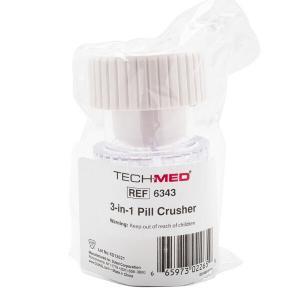
Pill Pals - Pill Cutter, Crusher, Splitter, and Holder (3 in 1) --- Three in One
Pill Pals - Pill Cutter, Crusher, Splitter, and Holder (3 in 1) --- Three in One is available through Pill Pals Pharmacy with cash-pay pharmacy pricing and free shipping where available. No prescription required for eligible over-the-counter purchases.