




Description


Omeprazole 20 mg Capsules is available by prescription only. Go ahead and place your purchase. After making payment, we will ensure that a valid prescription is received from your prescriber.
Drug Label Highlights
These highlights do not include all the information needed to use OMEPRAZOLE DELAYED-RELEASE CAPSULES safely and effectively. See full prescribing information for OMEPRAZOLE DELAYED-RELEASE CAPSULES.
OMEPRAZOLE delayed-release capsules, for oral use
Initial U.S. Approval: 1989
Indications And Usage
Omeprazole is a proton pump inhibitor (PPI) indicated for the:
Treatment of active duodenal ulcer in adults (1.1)
Eradication of Helicobacter pylori to reduce the risk of duodenal ulcer recurrence in adults (1.2)
Treatment of active benign gastric ulcer in adults (1.3)
Treatment of symptomatic gastroesophageal reflux disease (GERD) in patients 2 years of age and older (1.4)
Maintenance of healing of EE due to acid-mediated GERD in patients 2 years of age and older (1.6)
Pathologic hypersecretory conditions in adults (1.7)
Dosage And Administration
Indication
Recommended Adult (2.1) and Pediatric Dosage (2.2)
Treatment of Active Duodenal Ulcer
20 mg once daily for 4 weeks; some patients may require an additional 4 weeks (2.1)
H. pylori Eradication to Reduce the Risk of Duodenal Ulcer Recurrence
Triple Therapy:
Omeprazole delayed- release capsules
20 mg
Each drug twice daily for 10 days (2.1)*
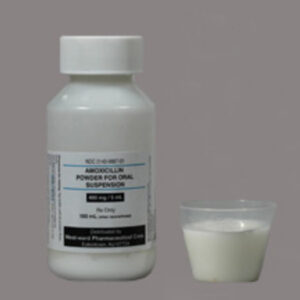
Amoxicillin
1000 mg
Clarithromycin
500 mg
Dual Therapy:
Omeprazole delayed- release capsules
40 mg once daily for 14 days**
Clarithromycin
500 mg three times daily for 14 days (2.1)
Active Benign Gastric Ulcer
40 mg once daily for 4 to 8 weeks (2.1)
Symptomatic GERD
20 mg once daily for up to 4 weeks (2.1) See full prescribing information for weight based dosing in pediatric patients 2 years of age and older (2.2)
EE due to Acid-Mediated GERD
20 mg once daily for 4 to 8 weeks (2.1)***
Maintenance of Healing of EE due to Acid-Mediated GERD
20 mg once daily (2.1)****
See full prescribing information for weight based dosing in pediatric patients 2 years of age and older (2.2)
Pathological Hypersecretory Conditions
Starting dose is 60 mg once daily (varies with individual patient, see full prescribing information) as long as clinically indicated (2.1)
Dosage Forms And Strengths
Omeprazole delayed-release capsules USP: 10 mg, 20 mg, and 40 mg. (3)
Contraindications
Patients with known hypersensitivity to substituted benzimidazoles or any component of the formulation. (4)
Patients receiving rilpivirine-containing products. (4, 7)
Refer to the Contraindications section of the prescribing information for clarithromycin and amoxicillin, when administered in combination with omeprazole delayed- release capsules. (4)
Warnings And Precautions
- Gastric Malignancy: In adults, symptomatic response does not preclude the presence of gastric malignancy. Consider additional follow-up and diagnostic testing. (5.1)
- Acute Tubulointerstitial Nephritis: Discontinue treatment and evaluate patients. (5.2)
- Clostridium difficile-Associated Diarrhea: PPI therapy may be associated with increased risk. (5.3)
- Bone Fracture: Long-term and multiple daily dose PPI therapy may be associated with an increased risk for osteoporosis-related fractures of the hip, wrist or spine. (5.4)
- Severe Cutaneous
- Gastric Malignancy: In adults, symptomatic response does not preclude the presence of gastric malignancy. Consider additional follow-up and diagnostic testing. (5.1)
- Acute Tubulointerstitial Nephritis: Discontinue treatment and evaluate patients. (5.2)
- Clostridium difficile-Associated Diarrhea: PPI therapy may be associated with increased risk. (5.3)
- Bone Fracture: Long-term and multiple daily dose PPI therapy may be associated with an increased risk for osteoporosis-related fractures of the hip, wrist or spine. (5.4)
- Severe Cutaneous
Gastric Malignancy: In adults, symptomatic response does not preclude the presence of gastric malignancy. Consider additional follow-up and diagnostic testing. (5.1)
Acute Tubulointerstitial Nephritis: Discontinue treatment and evaluate patients. (5.2)
Clostridium difficile-Associated Diarrhea: PPI therapy may be associated with increased risk. (5.3)
Bone Fracture: Long-term and multiple daily dose PPI therapy may be associated with an increased risk for osteoporosis-related fractures of the hip, wrist or spine. (5.4)
Severe Cutaneous Adverse Reactions: Discontinue at the first signs or symptoms of severe cutaneous adverse reactions or other signs of hypersensitivity and consider further evaluation. (5.5)
Cutaneous and Systemic Lupus Erythematosus: Mostly cutaneous; new onset or exacerbation of existing disease; discontinue omeprazole and refer to specialist for evaluation. (5.6)
Interaction with Clopidogrel: Avoid concomitant use of omeprazole.(5.7, 7)
Cyanocobalamin (Vitamin B-12) Deficiency: Daily long-term use (e.g., longer than 3 years) may lead to malabsorption or a deficiency of cyanocobalamin. (5.8)
Hypomagnesemia and Mineral Metabolism: Reported rarely with prolonged treatment with PPIs. (5.9)
Interaction with St. John’s Wort or Rifampin: Avoid concomitant use of omeprazole. (5.10, 7)
Interactions with Diagnostic Investigations for Neuroendocrine Tumors: Increased Chromogranin A (CgA) levels may interfere with diagnostic investigations for neuroendocrine tumors; temporarily stop omeprazole at least 14 days before assessing CgA levels. (5.11, 7)
Interaction with Methotrexate: Concomitant use with PPIs may elevate and/or prolong serum concentrations of methotrexate and/or its metabolite, possibly leading to toxicity. With high dose methotrexate administration, consider a temporary withdrawal of omeprazole. (5.12, 7)
Fundic Gland Polyps: Risk increases with long-term use, especially beyond one year. Use the shortest duration of therapy. (5.13)
Adverse Reactions
Adults: Most common adverse reactions in adults (incidence ≥ 2%) are
Headache, abdominal pain, nausea, diarrhea, vomiting, and flatulence. (6)
Pediatric patients (2 to 16 years of age):
Safety profile similar to that in adults, except that respiratory system events and fever were the most frequently reported reactions in pediatric studies. (8.4)
To report SUSPECTED ADVERSE REACTIONS, contact Rising Pharma Holdings, Inc. at 1-844-874-7464 or FDA at 1-800-FDA-1088 or www.fda.gov/medwatch.
Drug Interactions
See full prescribing information for a list of clinically important drug interactions. (7)
See 17 for PATIENT COUNSELING INFORMATION and Medication Guide.
Revised: 10/2024
DailyMed highlights last updated: 2026-06-24 22:16:48










Reviews
There are no reviews yet.