




Description

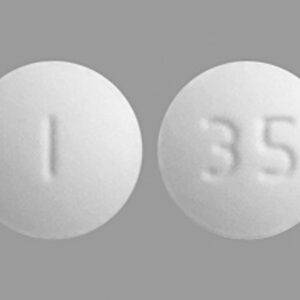
Quetiapine 25 mg Immediate Release Tablets is available by prescription only. Go ahead and place your purchase. After making payment, we will ensure that a valid prescription is received from your prescriber.
Drug Label Highlights
These highlights do not include all the information needed to use QUETIAPINE TABLETS safely and effectively. See full prescribing information for QUETIAPINE TABLETS.
QUETIAPINE tablets, for oral use
Initial U.S. Approval: 1997
WARNING: INCREASED MORTALITY IN ELDERLY PATIENTS WITH DEMENTIA-RELATED PSYCHOSIS; and SUICIDAL THOUGHTS AND BEHAVIORS
See full prescribing information for complete boxed warning.
Increased Mortality in Elderly Patients with Dementia-Related Psychosis
Suicidal Thoughts and Behaviors
Indications And Usage
Quetiapine tablets are an atypical antipsychotic indicated for the treatment of:
Schizophrenia (1.1)
Bipolar I disorder manic episodes (1.2)
Bipolar disorder, depressive episodes (1.2)
Dosage And Administration
Indication
Initial Dose
Recommended Dose
Maximum Dose
Schizophrenia-Adults (2.2)
25 mg twice daily
150-750 mg/day
750 mg/day
Schizophrenia-Adolescents (13-17 years) (2.2)
25 mg twice daily
400-800 mg/day
800 mg/day
Bipolar Mania-Adults Monotherapy or as an adjunct to lithium or divalproex (2.2)
50 mg twice daily
400–800 mg/day
800 mg/day
Bipolar Mania- Children and Adolescents (10 - 17 years), Monotherapy (2.2)
25 mg twice daily
400-600 mg/day
600 mg/day
Bipolar Depression-Adults (2.2)
50 mg once daily at bedtime
300 mg/day
300 mg/day
Geriatric Use: Consider a lower starting dose (50 mg/day), slower titration and careful monitoring during the initial dosing period in the elderly (2.3, 8.5)
Hepatic Impairment: Lower starting dose (25 mg/day) and slower titration may be needed (2.4, 8.7, 12.3)
Dosage Forms And Strengths
Tablets: 25 mg, 50 mg, 100 mg, 200 mg, 300 mg, and 400 mg (3)
Contraindications
Known hypersensitivity to quetiapine or any components in the formulation. (4)
Warnings And Precautions
- Cerebrovascular
- Cerebrovascular
Adverse Reactions
Most common adverse reactions (incidence ≥5% and twice placebo):
Adults: somnolence, dry mouth, dizziness, constipation, asthenia, abdominal pain, postural hypotension, pharyngitis, weight gain, lethargy, ALT increased, dyspepsia (6.1)
Children and Adolescents: somnolence, dizziness, fatigue, increased appetite, nausea, vomiting, dry mouth, tachycardia, weight increased (6.1)
To report SUSPECTED ADVERSE REACTIONS, contact Hetero Labs Limited at 1-866-495-1995 or FDA at 1-800-FDA-1088 or www.fda.gov/medwatch.
Drug Interactions
Concomitant use of strong CYP3A4 inhibitors: Reduce quetiapine dose to one sixth when coadministered with strong CYP3A4 inhibitors (e.g., ketoconazole, ritonavir) (2.5, 7.1, 12.3)
Concomitant use of strong CYP3A4 inducers: Increase quetiapine dose up to 5 fold when used in combination with a chronic treatment (more than 7 to 14 days) of potent CYP3A4 inducers (e.g., phenytoin, rifampin, St. John’s wort) (2.6, 7.1, 12.3)
Discontinuation of strong CYP3A4 inducers: Reduce quetiapine dose by 5 fold within 7 to 14 days of discontinuation of CYP3A4 inducers (2.6, 7.1, 12.3)
Use In Specific Populations
Pregnancy: May cause extrapyramidal and/or withdrawal symptoms in neonates with third trimester exposure. (8.1)
See 17 for PATIENT COUNSELING INFORMATION.
Revised: 1/2024
DailyMed highlights last updated: 2026-06-24 22:17:55







Reviews
There are no reviews yet.