




Description


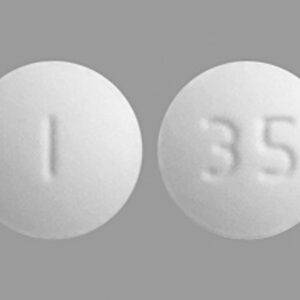
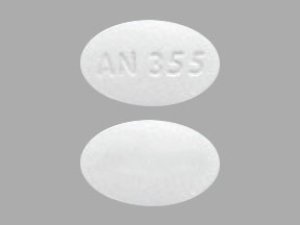
Pramipexole 1 mg Immediate Release Tablets is available by prescription only. Go ahead and place your purchase. After making payment, we will ensure that a valid prescription is received from your prescriber.
Drug Label Highlights
These highlights do not include all the information needed to use PRAMIPEXOLE DIHYDROCHLORIDE TABLETS safely and effectively. See full prescribing information for PRAMIPEXOLE DIHYDROCHLORIDE TABLETS.
PRAMIPEXOLE DIHYDROCHLORIDE tablets, for oral use
Initial U.S. Approval: 1997
Indications And Usage
Pramipexole dihydrochloride is a non-ergot dopamine agonist indicated for the treatment of:
Parkinson’s disease (PD) (1.1)
Moderate-to-severe primary Restless Legs Syndrome (RLS) (1.2)
Dosage And Administration
Parkinson’s Disease-Normal Renal Function* (2.2)
Week
Dosage (mg)
Total Daily Dose (mg)
1
0.125 Tid
0.375
2
0.25 Tid
0.75
3
0.5 Tid
1.5
4
0.75 Tid
2.25
5
1 Tid
3
6
1.25 Tid
3.75
7
1.5 Tid
4.5
Parkinson’s Disease-Impaired Renal Function (2.2)
Creatinine ClearanceStarting Dose (mg)Maximum Dose (mg)
<15 mL/min and hemodialysis patients
Data not available
>50 mL/min
0.125 Tid
1.5 Tid
30 to 50 mL/min
0.125 Bid
0.75 Tid
15 to 30 mL/min
0.125 Qd
1.5 Qd
Restless Legs Syndrome* (2.3)
Titration Step
Dose (mg) 2 to 3 hours before bedtime
1
0.125
2 (if needed)
0.25
3 (if needed)
0.5
Dosage Forms And Strengths
Tablets: 0.125 mg, 0.25 mg, 0.5 mg, 0.75 mg, 1 mg, and 1.5 mg (3)
Contraindications
None (4)
Warnings And Precautions
- Falling Asleep During Activities of Daily Living: Sudden onset of sleep may occur without warning; advise patients to report symptoms (5.1)
- Symptomatic Orthostatic Hypotension: Monitor during dose escalation (5.2)
- Impulse Control/Compulsive Behaviors: Patients may experience compulsive behaviors and other intense urges (5.3)
- Hallucinations and Psychotic-like Behavior: May occur; risk increases with age (5.4)
- Dyskinesia: May be caused or exacerbated by pramipexole dihydrochloride (5.5)
- Postural Deformity: Consider reducing the dose or discontinuing pramipexole dihydrochloride if postural deformity occurs (5.6)
- Falling Asleep During Activities of Daily Living: Sudden onset of sleep may occur without warning; advise patients to report symptoms (5.1)
- Symptomatic Orthostatic Hypotension: Monitor during dose escalation (5.2)
- Impulse Control/Compulsive Behaviors: Patients may experience compulsive behaviors and other intense urges (5.3)
- Hallucinations and Psychotic-like Behavior: May occur; risk increases with age (5.4)
- Dyskinesia: May be caused or exacerbated by pramipexole dihydrochloride (5.5)
- Postural Deformity: Consider reducing the dose or discontinuing pramipexole dihydrochloride if postural deformity occurs (5.6)
Falling Asleep During Activities of Daily Living: Sudden onset of sleep may occur without warning; advise patients to report symptoms (5.1)
Symptomatic Orthostatic Hypotension: Monitor during dose escalation (5.2)
Impulse Control/Compulsive Behaviors: Patients may experience compulsive behaviors and other intense urges (5.3)
Hallucinations and Psychotic-like Behavior: May occur; risk increases with age (5.4)
Dyskinesia: May be caused or exacerbated by pramipexole dihydrochloride (5.5)
Postural Deformity: Consider reducing the dose or discontinuing pramipexole dihydrochloride if postural deformity occurs (5.6)
Adverse Reactions
Most common adverse reactions (incidence >5% and greater than placebo):
Early PD without levodopa: nausea, dizziness, somnolence, insomnia, constipation, asthenia, and hallucinations (6.1)
Advanced PD with levodopa: postural (orthostatic) hypotension, dyskinesia, extrapyramidal syndrome, insomnia, dizziness, hallucinations, accidental injury, dream abnormalities, confusion, constipation, asthenia, somnolence, dystonia, gait abnormality, hypertonia, dry mouth, amnesia, and urinary frequency (6.1)
RLS: nausea, somnolence, fatigue, and headache (6.1)
To report SUSPECTED ADVERSE REACTIONS, contact Rising Pharma Holdings, Inc. at 1-844-874-7464 or FDA at 1-800-FDA-1088 or www.fda.gov/medwatch.
Drug Interactions
Dopamine antagonists: May diminish the effectiveness of pramipexole (7.1)
Use In Specific Populations
Pregnancy: Based on animal data, may cause fetal harm (8.1)
See 17 for PATIENT COUNSELING INFORMATION and FDA-approved patient labeling.
Revised: 12/2025
DailyMed highlights last updated: 2026-06-24 23:05:23













Reviews
There are no reviews yet.