
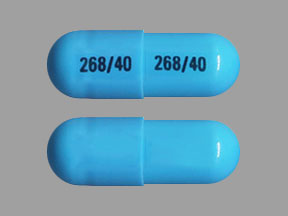



Description

Atomoxetine is available by prescription only. Go ahead and place your purchase. After making payment, we will ensure that a valid prescription is received from your prescriber
Drug Label Highlights
These highlights do not include all the information needed to use ATOMOXETINE CAPSULES safely and effectively. See full prescribing information for ATOMOXETINE CAPSULES.
ATOMOXETINE capsules, for oral use
Initial U.S. Approval: 2002
Warning: Suicidal Ideation In Children And Adolescents
See full prescribing information for complete boxed warning.
Indications And Usage
Atomoxetine capsules are selective norepinephrine reuptake inhibitor indicated for the treatment of Attention-Deficit/Hyperactivity Disorder (ADHD). (1.1)
Dosage And Administration
Initial, Target and Maximum Daily Dose (2.1)
(Acute and Maintenance/Extended Treatment)
Body Weight
Initial Daily Dose
Target Total Daily Dose
Maximum Total Daily Dose
Children and adolescents up to 70 kg
0.5 mg/kg
1.2 mg/kg
1.4 mg/kg
Children and adolescents over 70 kg and adults
40 mg
80 mg
100 mg
Dosing adjustment — Hepatic Impairment, Strong CYP2D6 Inhibitor, and in patients known to be CYP2D6 poor metabolizers (PMs). (2.5, 12.3)
Dosage Forms And Strengths
Each capsule contains atomoxetine hydrochloride, USP equivalent to 10, 18, 25, 40, 60, 80, or 100 mg of atomoxetine. (3, 11, 16)
Contraindications
Warnings And Precautions
- Suicidal Ideation – Monitor for suicidality, clinical worsening, and unusual changes in behavior. (5.1)
- Severe Liver Injury – Should be discontinued and not restarted in patients with jaundice or laboratory evidence of liver injury. (5.2)
- Serious Cardiovascular Events – Sudden death, stroke and myocardial infarction have been reported in association with atomoxetine treatment. Patients should have a careful history and physical exam to assess for presence of cardiovascular disease. Atomoxetine generally should not be used in children or adolescents with known serious structural cardiac abnormalities, cardiomyopathy, serious heart rhythm abnormalities, or other serious cardiac problems that may place them at increased vulnerability to its noradrenergic effects. Consideration should be given to not using atomoxetine in adults with clinically significant cardiac abnormalities. (5.3)
- Emergent Cardiovascular Symptoms – Patients should undergo prompt cardiac evaluation. (5.3)
- Effects on Blood Pressure and Heart Rate – Increase in blood pressure and heart rate; orthostasis and syncope may occur. Use with caution in patients with hypertension, tachycardia, or cardiovascular or cerebrovascular disease. (5.4)
- Psychotic or Manic Symptoms – Consider discontinuing atomoxetine if such new symptoms occur. (5.5)
- Bipolar Disorder – Screen patients for bipolar disorder. (5.6)
- Aggressive behavior or hostility – Monitor for the appearance or worsening of aggressive behavior or hostility. (5.7)
- Suicidal Ideation – Monitor for suicidality, clinical worsening, and unusual changes in behavior. (5.1)
- Severe Liver Injury – Should be discontinued and not restarted in patients with jaundice or laboratory evidence of liver injury. (5.2)
- Serious Cardiovascular Events – Sudden death, stroke and myocardial infarction have been reported in association with atomoxetine treatment. Patients should have a careful history and physical exam to assess for presence of cardiovascular disease. Atomoxetine generally should not be used in children or adolescents with known serious structural cardiac abnormalities, cardiomyopathy, serious heart rhythm abnormalities, or other serious cardiac problems that may place them at increased vulnerability to its noradrenergic effects. Consideration should be given to not using atomoxetine in adults with clinically significant cardiac abnormalities. (5.3)
- Emergent Cardiovascular Symptoms – Patients should undergo prompt cardiac evaluation. (5.3)
- Effects on Blood Pressure and Heart Rate – Increase in blood pressure and heart rate; orthostasis and syncope may occur. Use with caution in patients with hypertension, tachycardia, or cardiovascular or cerebrovascular disease. (5.4)
- Psychotic or Manic Symptoms – Consider discontinuing atomoxetine if such new symptoms occur. (5.5)
- Bipolar Disorder – Screen patients for bipolar disorder. (5.6)
- Aggressive behavior or hostility – Monitor for the appearance or worsening of aggressive behavior or hostility. (5.7)
Adverse Reactions
Most common adverse reactions (≥5% and at least twice the incidence of placebo patients)
To report SUSPECTED ADVERSE REACTIONS, contact Glenmark Pharmaceuticals Inc., USA at 1 (888) 721-7115 or FDA at 1-800-FDA-1088 or www.fda.gov/medwatch.
Drug Interactions
Use In Specific Populations
See 17 for PATIENT COUNSELING INFORMATION and Medication Guide.
Revised: 6/2025
DailyMed highlights last updated: 2026-06-24 23:17:19





Reviews
There are no reviews yet.