




Description


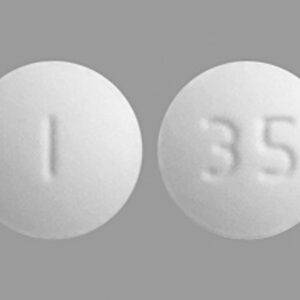
Bupropion 100 mg Immediate Release Tablets is available by prescription only. Go ahead and place your purchase. After making payment, we will ensure that a valid prescription is received from your prescriber.
Drug Label Highlights
These highlights do not include all the information needed to use BUPROPION HYDROCHLORIDE TABLETS safely and effectively. See full prescribing information for BUPROPION HYDROCHLORIDE TABLETS.
BUPROPION HYDROCHLORIDE tablets, for oral use
Initial U.S. Approval: 1985
Warning: Suicidal Thoughts And Behaviors
See full prescribing information for complete boxed warning.
Increased risk of suicidal thinking and behavior in children, adolescents, and young adults taking antidepressants. (5.1)
Monitor for worsening and emergence of suicidal thoughts and behaviors. (5.1)
Indications And Usage
Bupropion hydrochloride tablets are an aminoketone antidepressant, indicated for the treatment of major depressive disorder (MDD). (1)
Dosage And Administration
Starting dose: 200 mg/day given as 100 mg twice daily. (2.1)
General: Increase dose gradually to reduce seizure risk. (2.1, 5.3)
After 3 days, may increase the dose to 300 mg/day, given as 100 mg 3 times daily at an interval of at least 6 hours between doses. (2.1)
Usual target dose: 300 mg/day as 100 mg 3 times daily. (2.1)
Maximum dose: 450 mg/day given as 150 mg 3 times daily. (2.1)
Periodically reassess the dose and need for maintenance treatment. (2.1)
Moderate to severe hepatic impairment: 75 mg once daily. (2.2, 8.7)
Mild hepatic impairment: Consider reducing the dose and/or frequency of dosing. (2.2, 8.7)
Renal impairment: Consider reducing the dose and/or frequency. (2.3, 8.6)
Dosage Forms And Strengths
Tablets: 75 mg and 100 mg. (3)
Contraindications
Seizure disorder. (4, 5.3)
Current or prior diagnosis of bulimia or anorexia nervosa. (4, 5.3)
Abrupt discontinuation of alcohol, benzodiazepines, barbiturates, antiepileptic drugs. (4, 5.3)
Monoamine Oxidase Inhibitors (MAOIs): Do not use MAOIs intended to treat psychiatric disorders with bupropion hydrochloride tablets or within 14 days of stopping treatment with bupropion hydrochloride tablets. Do not use bupropion hydrochloride tablets within 14 days of stopping an MAOI intended to treat psychiatric disorders. In addition, do not start bupropion hydrochloride tablets in a patient who is being treated with linezolid or intravenous methylene blue. (4, 7.6)
Known hypersensitivity to bupropion or other ingredients of bupropion hydrochloride tablets. (4, 5.8)
Warnings And Precautions
- Neuropsychiatric adverse events during smoking cessation: Postmarketing reports of serious or clinically significant neuropsychiatric adverse events have included changes in mood (including depression and mania), psychosis, hallucinations, paranoia, delusions, homicidal ideation, aggression, hostility, agitation, anxiety, and panic, as well as suicidal ideation, suicide attempt, and completed suicide. Observe patients attempting to quit smoking with bupropion for the occurrence of such symptoms and instruct them to discontinue bupropion and contact a healthcare provider if they experience such adverse events. (5.2)
- Seizure risk: The risk is dose-related. Can minimize risk by gradually increasing the dose and limiting daily dose to 450 mg. Discontinue if seizure occurs. (4, 5.3,7.3)
- Hypertension: Bupropion hydrochloride tablets can increase blood pressure. Monitor blood pressure before initiating treatment and periodically during treatment. (5.4)
- Activation of mania/hypomania: Screen patients for bipolar disorder and monitor for these symptoms. (5.5)
- Psychosis and other neuropsychiatric reactions: Instruct patients to contact a healthcare professional if such reactions occur. (5.6)
- Angle-closure glaucoma: Angle-closure glaucoma has occurred in patients with untreated anatomically narrow angles treated with antidepressants. (5.7)
- Neuropsychiatric adverse events during smoking cessation: Postmarketing reports of serious or clinically significant neuropsychiatric adverse events have included changes in mood (including depression and mania), psychosis, hallucinations, paranoia, delusions, homicidal ideation, aggression, hostility, agitation, anxiety, and panic, as well as suicidal ideation, suicide attempt, and completed suicide. Observe patients attempting to quit smoking with bupropion for the occurrence of such symptoms and instruct them to discontinue bupropion and contact a healthcare provider if they experience such adverse events. (5.2)
- Seizure risk: The risk is dose-related. Can minimize risk by gradually increasing the dose and limiting daily dose to 450 mg. Discontinue if seizure occurs. (4, 5.3,7.3)
- Hypertension: Bupropion hydrochloride tablets can increase blood pressure. Monitor blood pressure before initiating treatment and periodically during treatment. (5.4)
- Activation of mania/hypomania: Screen patients for bipolar disorder and monitor for these symptoms. (5.5)
- Psychosis and other neuropsychiatric reactions: Instruct patients to contact a healthcare professional if such reactions occur. (5.6)
- Angle-closure glaucoma: Angle-closure glaucoma has occurred in patients with untreated anatomically narrow angles treated with antidepressants. (5.7)
Neuropsychiatric adverse events during smoking cessation: Postmarketing reports of serious or clinically significant neuropsychiatric adverse events have included changes in mood (including depression and mania), psychosis, hallucinations, paranoia, delusions, homicidal ideation, aggression, hostility, agitation, anxiety, and panic, as well as suicidal ideation, suicide attempt, and completed suicide. Observe patients attempting to quit smoking with bupropion for the occurrence of such symptoms and instruct them to discontinue bupropion and contact a healthcare provider if they experience such adverse events. (5.2)
Seizure risk: The risk is dose-related. Can minimize risk by gradually increasing the dose and limiting daily dose to 450 mg. Discontinue if seizure occurs. (4, 5.3,7.3)
Hypertension: Bupropion hydrochloride tablets can increase blood pressure. Monitor blood pressure before initiating treatment and periodically during treatment. (5.4)
Activation of mania/hypomania: Screen patients for bipolar disorder and monitor for these symptoms. (5.5)
Psychosis and other neuropsychiatric reactions: Instruct patients to contact a healthcare professional if such reactions occur. (5.6)
Angle-closure glaucoma: Angle-closure glaucoma has occurred in patients with untreated anatomically narrow angles treated with antidepressants. (5.7)
Adverse Reactions
Most common adverse reactions (incidence ≥5% and ≥1% more than placebo rate) are: agitation, dry mouth, constipation, headache/migraine, nausea/vomiting, dizziness, excessive sweating, tremor, insomnia, blurred vision, tachycardia, confusion, rash, hostility, cardiac arrhythmias, and auditory disturbance. (6.1)
To report SUSPECTED ADVERSE REACTIONS, contact Avet Pharmaceuticals Inc. at 1-866-901-DRUG (3784) or FDA at 1-800-FDA-1088 or www.fda.gov/medwatch.
Drug Interactions
CYP2B6 inducers: Dose increase may be necessary if coadministered with CYP2B6 inducers (e.g., ritonavir, lopinavir, efavirenz, carbamazepine, phenobarbital, and phenytoin) based on clinical response, but should not exceed the maximum recommended dose. (7.1)
Drugs metabolized by CYP2D6: Bupropion inhibits CYP2D6 and can increase concentrations of: antidepressants (e.g., venlafaxine, nortriptyline, imipramine, desipramine, paroxetine, fluoxetine, sertraline), antipsychotics (e.g., haloperidol, risperidone, thioridazine), beta-blockers (e.g., metoprolol), and Type 1C antiarrhythmics (e.g., propafenone, flecainide). Consider dose reduction when using with bupropion. (7.2)
Digoxin: May decrease plasma digoxin levels. Monitor digoxin levels. (7.2)
Drugs that lower seizure threshold: Dose bupropion hydrochloride tablets with caution. (5.3,7.3)
Dopaminergic drugs (levodopa and amantadine): CNS toxicity can occur when used concomitantly with bupropion hydrochloride tablets. (7.4)
MAOIs: Increased risk of hypertensive reactions can occur when used concomitantly with bupropion hydrochloride tablets. (7.6)
Drug-laboratory test interactions: Bupropion hydrochloride tablets can cause false-positive urine test results for amphetamines. (7.7)
See 17 for PATIENT COUNSELING INFORMATION and Medication Guide.
Revised: 9/2025
DailyMed highlights last updated: 2026-06-24 22:58:54







Reviews
There are no reviews yet.