Description


Donepezil 5 mg Tablets is available by prescription only. Go ahead and place your purchase. After making payment, we will ensure that a valid prescription is received from your prescriber.
Drug Label Highlights
Source: This information is taken from the official DailyMed drug label page when available. It is provided for educational purposes and is not a substitute for pharmacist counseling, prescriber instructions, or the full official labeling.
These highlights do not include all the information needed to use DONEPEZIL HYDROCHLORIDE TABLETS safely and effectively. See full prescribing information for DONEPEZIL HYDROCHLORIDE TABLETS.
DONEPEZIL HYDROCHLORIDE tablets, for oral use
Initial U.S. Approval: 1996
Indications And Usage
Donepezil hydrochloride is an acetylcholinesterase inhibitor indicated for the treatment of dementia of the Alzheimer's type. Efficacy has been demonstrated in patients with mild, moderate, and severe Alzheimer's Disease (1).
Dosage And Administration
Dosage Forms And Strengths
Tablets: 5 mg, 10 mg (3)
Contraindications
Known hypersensitivity to donepezil hydrochloride or to piperidine derivatives (4)
Warnings And Precautions
- Cholinesterase inhibitors are likely to exaggerate succinylcholine-type muscle relaxation during anesthesia (5.1).
- Cholinesterase inhibitors may have vagotonic effects on the sinoatrial and atrioventricular nodes manifesting as bradycardia or heart block (5.2).
- Donepezil hydrochloride can cause vomiting. Patients should be observed closely at initiation of treatment and after dose increases (5.3).
- Patients should be monitored closely for symptoms of active or occult gastrointestinal (GI) bleeding, especially those at increased risk for developing ulcers (5.4).
- Cholinomimetics may cause bladder outflow obstructions (5.6).
- Cholinomimetics are believed to have some potential to cause generalized convulsions (5.7).
- Cholinesterase inhibitors should be prescribed with care to patients with a history of asthma or obstructive pulmonary disease (5.8).
- Cholinesterase inhibitors are likely to exaggerate succinylcholine-type muscle relaxation during anesthesia (5.1).
- Cholinesterase inhibitors may have vagotonic effects on the sinoatrial and atrioventricular nodes manifesting as bradycardia or heart block (5.2).
- Donepezil hydrochloride can cause vomiting. Patients should be observed closely at initiation of treatment and after dose increases (5.3).
- Patients should be monitored closely for symptoms of active or occult gastrointestinal (GI) bleeding, especially those at increased risk for developing ulcers (5.4).
- Cholinomimetics may cause bladder outflow obstructions (5.6).
- Cholinomimetics are believed to have some potential to cause generalized convulsions (5.7).
- Cholinesterase inhibitors should be prescribed with care to patients with a history of asthma or obstructive pulmonary disease (5.8).
Adverse Reactions
Most common adverse reactions in clinical studies of donepezil hydrochloride are nausea, diarrhea, insomnia, vomiting, muscle cramps, fatigue, and anorexia (6.1).
To report SUSPECTED ADVERSE REACTIONS, contact Solco Healthcare US, LLC at 1-866-257-2597 or FDA at 1-800-FDA-1088 or www.fda.gov/medwatch.
Drug Interactions
Use In Specific Populations
Pregnancy: Based on animal data, may cause fetal harm (8.1).
See 17 for PATIENT COUNSELING INFORMATION.
Revised: 6/2025
DailyMed highlights last updated: 2026-06-24 22:23:58
Medication Guide
Medication Summary
Medication Summary: This section summarizes DailyMed drug label information to make the label easier to understand. It is not a substitute for the official label, pharmacist counseling, prescriber instructions, or medical advice.
Overview
Donepezil hydrochloride tablets are used to treat dementia of the Alzheimer's type. The label says effectiveness has been shown in patients with mild, moderate, and severe Alzheimer's disease.
The tablets are taken by mouth, usually once daily in the evening just before going to bed. They can be taken with or without food. For mild to moderate Alzheimer's disease, treatment usually starts at 5 mg once daily, and 10 mg should not be started until the person has taken 5 mg daily for 4 to 6 weeks.
The most common side effects in clinical studies were nausea, diarrhea, insomnia, vomiting, muscle cramps, fatigue, and loss of appetite. The label also warns about possible heart, stomach, breathing, seizure, and bladder-related effects, and says the medicine should be used carefully in people with certain medical conditions.
Storage Information
Storage Store at controlled room temperature, 15°C to 30°C (59°F to 86°F). stored? Store donepezil hydrochloride at room temperature between 59° to 86°F (15° to 30°C).
Key Counseling Points
- Take donepezil hydrochloride in the evening, just before retiring.
- This medicine can be taken with or without food.
- If prescribed, the usual starting dose is 5 mg once daily; 10 mg should not be used until 4 to 6 weeks of 5 mg daily have been taken.
- Common side effects include nausea, diarrhea, vomiting, insomnia, muscle cramps, fatigue, and decreased appetite.
- Tell a healthcare professional if vomiting, diarrhea, or nausea happens, especially after starting treatment or after a dose increase.
- The label warns about possible slow heart rate, heart block, or fainting.
- The label also warns about possible stomach bleeding, especially in people with a history of ulcers or those taking NSAIDs.
- Use caution if there is a history of asthma or obstructive pulmonary disease.
- Tell a healthcare professional about all medicines being taken, including anticholinergics, succinylcholine, similar muscle relaxants, and cholinergic agonists.
- Do not use this medicine if there is a known hypersensitivity to donepezil hydrochloride or piperidine derivatives.
Helpful Patient Education
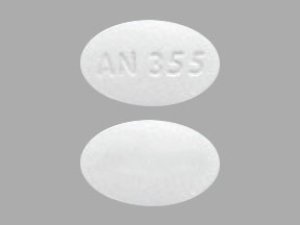
Donepezil hydrochloride tablets are an oral prescription medicine used for the treatment of dementia of the Alzheimer's type. DailyMed labeling describes use in mild, moderate, and severe Alzheimer's disease. The tablets are film-coated and available in 5 mg and 10 mg strengths.
Educational labeling information notes that donepezil is typically taken once daily in the evening, with or without food. Common adverse reactions reported in clinical studies include nausea, diarrhea, insomnia, vomiting, muscle cramps, fatigue, and anorexia. The label also includes warnings about cardiovascular, gastrointestinal, pulmonary, neurologic, and drug interaction considerations.
Medication Summary last generated: 2026-07-10 03:06:28
Donepezil 5 mg Tablets --- Generic For Aricept --- SOLCO may require patient-specific counseling based on your prescription, directions, allergies, medical history, and other medications.
This Medication Guide section is provided for general educational purposes only. It does not replace the official medication guide, patient information leaflet, counseling from your pharmacist, or medical advice from your prescriber.
Please read all information provided with your prescription. Contact Pill Pals Pharmacy or your prescriber with questions before using this medication.
Only logged in customers who have purchased this product may leave a review.















Reviews
There are no reviews yet.