


Description
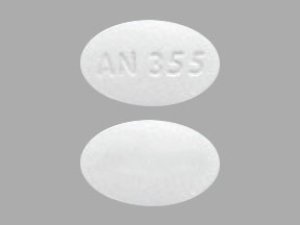
Naproxen 500 mg Immediate Release Tablets is available by prescription only. Go ahead and place your purchase. After making payment, we will ensure that a valid prescription is received from your prescriber.
Drug Label Highlights
These highlights do not include all the information needed to use
NAPROXEN TABLETS and NAPROXEN SODIUM TABLETS safely and effectively. See full prescribing information for
NAPROXEN TABLETS and NAPROXEN SODIUM TABLETS.
NAPROXEN TABLETS and NAPROXEN SODIUM TABLETS for oral use
Initial U.S. Approval: 1976
Warning: Risk Of Serious Cardiovascular And Gastrointestinal Events
See full prescribing information for complete boxed warning.
Recent Major Changes
Warnings and Precautions (5.9) 11/2024
Indications And Usage
Naproxen tablets and naproxen sodium tablets are non-steroidal anti-inflammatory drugs indicated for: (1)
the relief of the signs and symptoms of: (1)
Naproxen tablets and naproxen sodium tablets are also indicated for: (1)
the relief of signs and symptoms of: (1)
the management of: (1)
Dosage And Administration
Use the lowest effective dosage for shortest duration consistent with individual patient treatment goals. (2.1)
Rheumatoid Arthritis, Osteoarthritis, and Ankylosing Spondylitis
Naproxen tablets
250 mg (one-half tablet) 500 mg
twice daily
Naproxen sodium tablets
275 mg (one-half tablet) 550 mg
twice daily
The dose may be adjusted up or down depending on the clinical response of the patient. In patients who tolerate lower doses well, the dose may be increased to naproxen 1500 mg/ day for up to 6 months.
Polyarticular Juvenile Idiopathic Arthritis
Naproxen tablets may not allow for the flexible dose titration needed in pediatric patients with polyarticular juvenile idiopathic arthritis. A liquid formulation may be more appropriate. Recommended total daily dose of naproxen is approximately 10 mg/kg given in 2 divided doses. Dosing with naproxen tablets is not appropriate for children weighing less than 50 kilograms.
Management of Pain, Primary Dysmenorrhea, and Acute Tendonitis and Bursitis
Recommended starting dose 550 mg of naproxen sodium as naproxen sodium tablets followed by 550 mg every 12 hours or 275 mg every 6 to 8 hours as required. The initial total daily dose should not exceed 1375 mg of naproxen sodium. Thereafter, the total daily dose should not exceed 1100 mg of naproxen sodium. Naproxen sodium tablets are recommended for the management of acute painful conditions when prompt onset of pain relief is desired.
Acute Gout
Recommended starting dose 750 mg of naproxen tablets followed by 250 mg every 8 hours until the attack has subsided. Naproxen sodium tablets may also be used at a starting dose of 825 mg followed by 275 mg every 8 hours.
Dosage Forms And Strengths
Naproxen Tablets, USP: 250 mg, 375 mg & 500 mg (3)
Naproxen Sodium Tablets, USP: 275 mg, 550 mg (3)
Contraindications
Warnings And Precautions
- (5.9) 11/2024 INDICATIONS AND USAGE Naproxen tablets and naproxen sodium tablets are non-steroidal anti-inflammatory drugs indicated for: (1) the relief of the signs and symptoms of: (1)
- rheumatoid arthritis
- osteoarthritis
- ankylosing spondylitis
- polyarticular juvenile idiopathic arthritis Naproxen tablets and naproxen sodium tablets are also indicated for: (1) the relief of signs and symptoms of: (1)
- tendonitis
- bursitis
- acute gout the management of: (1)
- (5.9) 11/2024 INDICATIONS AND USAGE Naproxen tablets and naproxen sodium tablets are non-steroidal anti-inflammatory drugs indicated for: (1) the relief of the signs and symptoms of: (1)
- rheumatoid arthritis
- osteoarthritis
- ankylosing spondylitis
- polyarticular juvenile idiopathic arthritis Naproxen tablets and naproxen sodium tablets are also indicated for: (1) the relief of signs and symptoms of: (1)
- tendonitis
- bursitis
- acute gout the management of: (1)
Hepatotoxicity: Inform patients of warning signs and symptoms of hepatotoxicity. Discontinue if abnormal liver tests persist or worsen or if clinical signs and symptoms of liver disease develop. (5.3)
Hypertension: Patients taking some antihypertensive medications may have impaired response to these therapies when taking NSAIDs. Monitor blood pressure. (5.4, 7)
Heart Failure and Edema: Avoid use of naproxen tablets and naproxen sodium tablets in patients with severe heart failure unless benefits are expected to outweigh risk of worsening heart failure. (5.5)
Renal Toxicity: Monitor renal function in patients with renal or hepatic impairment, heart failure, dehydration, or hypovolemia. Avoid use of naproxen tablets and naproxen sodium tablets in patients with advanced renal disease unless benefits are expected to outweigh risk of worsening renal function. (5.6)
Anaphylactic Reactions: Seek emergency help if an anaphylactic reaction occurs. (5.7)
Exacerbation of Asthma Related to Aspirin Sensitivity: Naproxen tablets and naproxen sodium tablets are contraindicated in patients with aspirin-sensitive asthma. Monitor patients with preexisting asthma (without aspirin sensitivity). (5.8)
Serious Skin Reactions: Discontinue naproxen tablets and naproxen sodium tablets at first appearance of skin rash or other signs of hypersensitivity. (5.9)
Drug Reaction with Eosinophilia and Systemic Symptoms (DRESS): Discontinue and evaluate clinically (5.10).
Fetal Toxicity: Limit use of NSAIDs, including naproxen tablets and naproxen sodium tablets, between about 20 to 30 weeks in pregnancy due to the risk of oligohydramnios/fetal dysfunction. Avoid use of NSAIDs in women at about 30 weeks gestation and later in pregnancy due to the risks of oligohydramnios/fetal renal dysfunction and premature closure of the fetal ductus arteriosus. (5.11, 8.1)
Hematologic Toxicity: Monitor hemoglobin or hematocrit in patients with any signs or symptoms of anemia. (5.12, 7)
Adverse Reactions
Most common adverse reactions to naproxen were dyspepsia, abdominal pain, nausea, headache, rash, ecchymosis, and edema. (6.1)
To report SUSPECTED ADVERSE REACTIONS, contact Glenmark Pharmaceuticals Inc., USA at 1 (888) 721-7115 or FDA at 1-800-FDA-1088 or www.fda.gov/medwatch.
Drug Interactions
Drugs that Interfere with Hemostasis (e.g. warfarin, aspirin, SSRIs/SNRIs):
Monitor patients for bleeding who are concomitantly taking naproxen tablets or naproxen sodium tablets with drugs that interfere with hemostasis. Concomitant use of naproxen tablets or naproxen sodium tablets and analgesic doses of aspirin is not generally recommended. (7)
ACE inhibitors, Angiotensin Receptor Blockers (ARB), or Beta-Blockers: Concomitant use with naproxen tablets or naproxen sodium tablets may diminish the antihypertensive effect of these drugs. Monitor blood pressure. (7)
ACE Inhibitors and ARBs: Concomitant use with naproxen tablets or naproxen sodium tablets in elderly, volume depleted, or those with renal impairment may result in deterioration of renal function. In such high risk patients, monitor for signs of worsening renal function. (7)
Diuretics: NSAIDs can reduce natriuretic effect of furosemide and thiazide diuretics. Monitor patients to assure diuretic efficacy including antihypertensive effects. (7)
Digoxin: Concomitant use with naproxen tablets or naproxen sodium tablets can increase serum concentration and prolong half-life of digoxin. Monitor serum digoxin levels. (7)
Use In Specific Populations
Infertility: NSAIDs are associated with reversible infertility. Consider withdrawal of naproxen tablets and naproxen sodium tablets in women who have difficulties conceiving. (8.3)
Renal Impairment: Naproxen-containing products are not recommended for use in patients with moderate to severe and severe renal impairment (creatinine clearance <30 mL/min). (8.7)
See 17 for PATIENT COUNSELING INFORMATION and Medication Guide.
Revised: 7/2025
DailyMed highlights last updated: 2026-06-24 23:03:45







Reviews
There are no reviews yet.