
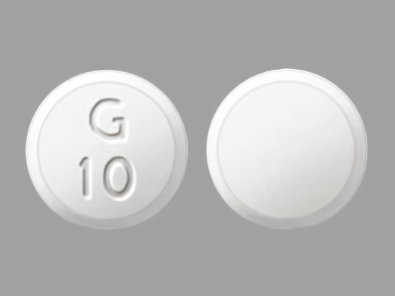



Description

Metformin is available by prescription only. Go ahead and place your purchase. After making payment, we will ensure that a valid prescription is received from your prescriber.

This is a subscription and fees are charged monthly. You may cancel anytime by logging into your Account. CLICK HERE to login to your account.
Drug Label Highlights
These highlights do not include all the information needed to use METFORMIN HYDROCHLORIDE TABLETS safely and effectively. See full prescribing information for METFORMIN HYDROCHLORIDE TABLETS.
METFORMIN HYDROCHLORIDE tablets, for oral use
Initial U.S. Approval: 1995
Warning: Lactic Acidosis
See full prescribing information for complete boxed warning.
Postmarketing cases of metformin-associated lactic acidosis have resulted in death, hypothermia, hypotension, and resistant bradyarrhythmias. Symptoms included malaise, myalgias, respiratory distress, somnolence, and abdominal pain. Laboratory abnormalities included elevated blood lactate levels, anion gap acidosis, increased lactate/pyruvate ratio; and metformin plasma levels generally >5 mcg/mL. (
5.1)
Risk factors include renal impairment, concomitant use of certain drugs, age >65 years old, radiological studies with contrast, surgery and other procedures, hypoxic states, excessive alcohol intake, and hepatic impairment, and mitochondrial diseases. Steps to reduce the risk of and manage metformin-associated lactic acidosis in these high risk groups are provided in the Full Prescribing Information. (
5.1)
If lactic acidosis is suspected, discontinue metformin hydrochloride tablets and institute general supportive measures in a hospital setting. Prompt hemodialysis is recommended. (
5.1)
Indications And Usage
Metformin hydrochloride tablets are biguanide indicated as an adjunct to diet and exercise to improve glycemic control in adults and pediatric patients 10 years of age and older with type 2 diabetes mellitus. (
1)
Dosage And Administration
Adult Dosage for metformin hydrochloride tablets:
Starting dose: 500 mg orally twice a day or 850 mg once a day, with meals (
2.1)
Increase the dose in increments of 500 mg weekly or 850 mg every 2 weeks, up to a maximum dose of 2,550 mg per day, given in divided doses (
2.1)
Doses above 2,000 mg may be better tolerated given 3 times a day with meals (
2.1)
Pediatric Dosage for metformin hydrochloride tablets:
Starting dose: 500 mg orally twice a day, with meals (
2.2)
Increase dosage in increments of 500 mg weekly up to a maximum of 2,000 mg per day, given in divided doses twice daily (
2.2)
Renal Impairment:
Prior to initiation, assess renal function with estimated glomerular filtration rate (eGFR) (
2.3)
Do not use in patients with eGFR below 30 mL/minute/1.73 m
2 (
2.3)
Initiation is not recommended in patients with eGFR between 30 to 45 mL/minute/1.73 m
2 (
2.3)
Assess risk/benefit of continuing if eGFR falls below 45 mL/minute/1.73 m
2 (
2.3)
Discontinue if eGFR falls below 30 mL/minute/1.73 m
2 (
2.3)
Discontinuation for Iodinated Contrast Imaging Procedures:
2.4)
Dosage Forms And Strengths
Metformin Hydrochloride Tablets: 500 mg, 850 mg, and 1,000 mg (
3)
Contraindications
Severe renal impairment (eGFR below 30 mL/min/1.73 m
2) (
4,
5.1)
Hypersensitivity to metformin (
4)
Acute or chronic metabolic acidosis, including diabetic ketoacidosis, with or without coma. (
4)
Warnings And Precautions
- Lactic Acidosis: See boxed warning. ( 5.1)
- Vitamin B12Deficiency: Metformin may lower vitamin B 12 levels. Measure hematological parameters annually and vitamin B 12 at 2 to 3 year intervals and manage any abnormalities. ( 5.2)
- Hypoglycemia with Concomitant Use with Insulin and Insulin Secretagogues: Increased risk of hypoglycemia when used in combination with insulin and/or an insulin secretagogue. Lower dose of insulin or insulin secretagogue may be required ( 5.3)
- Lactic Acidosis: See boxed warning. ( 5.1)
- Vitamin B12Deficiency: Metformin may lower vitamin B 12 levels. Measure hematological parameters annually and vitamin B 12 at 2 to 3 year intervals and manage any abnormalities. ( 5.2)
- Hypoglycemia with Concomitant Use with Insulin and Insulin Secretagogues: Increased risk of hypoglycemia when used in combination with insulin and/or an insulin secretagogue. Lower dose of insulin or insulin secretagogue may be required ( 5.3)
Lactic Acidosis: See boxed warning. (
5.1)
Vitamin B12Deficiency: Metformin may lower vitamin B
12 levels. Measure hematological parameters annually and vitamin B
12 at 2 to 3 year intervals and manage any abnormalities. (
5.2)
Hypoglycemia with Concomitant Use with Insulin and Insulin Secretagogues: Increased risk of hypoglycemia when used in combination with insulin and/or an insulin secretagogue. Lower dose of insulin or insulin secretagogue may be required (
5.3)
Adverse Reactions
For metformin hydrochloride tablets, the most common adverse reactions (>5.0%) are diarrhea, nausea/vomiting, flatulence, asthenia, indigestion, abdominal discomfort, and headache. (
6.1)
To report SUSPECTED ADVERSE REACTIONS, contact Granules Pharmaceuticals Inc at 1-877-770-3183 or FDA at 1-800-FDA-1088 or
www.fda.gov/medwatch
Drug Interactions
Carbonic anhydrase inhibitors may increase risk of lactic acidosis. Consider more frequent monitoring (
7)
Drugs that reduce metformin clearance (such as ranolazine, vandetanib, dolutegravir, and cimetidine) may increase the accumulation of metformin. Consider the benefits and risks of concomitant use (
7)
Alcohol can potentiate the effect of metformin on lactate metabolism. Warn patients against excessive alcohol intake (
7)
Use In Specific Populations
Females and Males of Reproductive Potential: Advise premenopausal females of the potential for an unintended pregnancy. (
8.3)
Geriatric Use: Assess renal function more frequently. (
8.5)
Hepatic Impairment: Avoid use in patients with hepatic impairment. (
8.7)
See 17 for PATIENT COUNSELING INFORMATION and FDA-approved patient labeling.
Revised: 4/2026
DailyMed highlights last updated: 2026-06-24 22:06:25









Reviews
There are no reviews yet.