
Many people associate vitamin B12 with energy. That connection makes sense because B12 helps the body make red blood cells and supports normal metabolism. When a person truly has low B12, correcting the deficiency may help improve tiredness, weakness, or low energy.
However, B12 is not a stimulant. It does not work like caffeine, and it does not automatically give extra energy to every person who takes it. If someone already has normal B12 levels, taking more B12 may not make them feel noticeably more energetic.
B12 may help when low B12 is part of the problem
The key is understanding the difference between using B12 to correct a deficiency and using it as a general “energy booster.” Low B12 may happen because a person does not eat enough B12-rich foods, has trouble absorbing B12, or takes medications that may affect B12 levels.
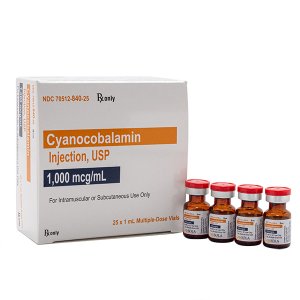
Some people also have medical conditions, such as pernicious anemia, that interfere with B12 absorption. In these cases, a healthcare provider may recommend oral B12, nasal B12, or injectable B12 depending on the cause and severity.
Fatigue has many possible causes
Low energy can also be related to sleep problems, thyroid conditions, anemia from other causes, depression, infection, medication side effects, dehydration, or other health concerns. That is why persistent fatigue should be discussed with a healthcare professional.
For patients who have been prescribed B12 injection therapy, the Pill Pals B-12 Kit – Subcutaneous Cyanocobalamin B12 Injection may be a convenient pharmacy option.
Related reading
- What Is Vitamin B12 and Why Does the Body Need It?
- Vitamin B12 for Red Blood Cell Support and Anemia Prevention
- Vitamin B12 and Metformin: What Patients Should Know
Medication Safety Note
Fatigue can be caused by anemia, thyroid problems, sleep disorders, depression, medication side effects, infection, or other medical conditions. B12 may help when low B12 is the problem, but it should not replace medical evaluation.