
Hypertension, or high blood pressure, is one of the most common health conditions treated with prescription medication. Amlodipine is a blood pressure pill that may be prescribed to help lower blood pressure and reduce stress on the cardiovascular system. If you or a loved one has been prescribed amlodipine, understanding the basics can make the medication feel less confusing.
Why hypertension treatment matters
High blood pressure can be easy to ignore because it often does not cause noticeable symptoms. However, uncontrolled blood pressure can place extra strain on the heart, blood vessels, kidneys, brain, and eyes. Treating hypertension is about reducing long-term risk and supporting better overall health.
Amlodipine may help lower blood pressure by relaxing blood vessels. When blood vessels are more relaxed, blood can move through them more easily. This can make it easier for the heart to pump blood.
How patients usually build a routine
Many patients are instructed to take amlodipine once daily. A common approach is to take it around the same time each day, according to the prescriber’s directions. Patients may choose a routine that fits their life, such as taking it with breakfast, before bed, or with another daily habit.
The best routine is the one the prescriber approves and the patient can follow consistently. For practical ideas, see Amlodipine and Medication Adherence.
What to discuss with your healthcare team
Patients should tell their prescriber and pharmacist about all medications they take, including over-the-counter products, supplements, and herbal products. This helps the care team screen for interactions. It is also important to discuss pregnancy, breastfeeding, liver disease, heart conditions, allergies, and any history of swelling or dizziness with medications.
Patients should ask what blood pressure goal they are working toward, how often to check blood pressure at home, when to report readings, and when to schedule follow-up appointments. Clear communication can make the treatment plan easier to follow.
What if blood pressure improves?
If blood pressure readings improve, that usually means the treatment plan is helping. It does not automatically mean the medication should be stopped. Stopping blood pressure medication without medical guidance can allow blood pressure to rise again.
Patients should always speak with their prescriber before making changes. If side effects occur, the prescriber may adjust the plan, but that decision should be individualized.
How affordability can affect hypertension care
For chronic conditions like hypertension, refill consistency matters. If a medication is too expensive, patients may delay refills or skip doses. Generic amlodipine may be a cost-conscious option for many people, and programs focused on cash-pay savings can be helpful for patients without strong prescription coverage.
To learn more, read Affordable Amlodipine Options for Patients and How Pill Pals Can Help Patients Access Amlodipine.
Medication safety note
Amlodipine is a prescription medication and should be taken only as directed. Do not stop taking amlodipine or change your dose without speaking with your healthcare professional. Contact your prescriber or pharmacist if you experience swelling, dizziness, fainting, rapid heartbeat, worsening chest pain, or any symptom that concerns you. This article is informational and is not a substitute for medical advice.

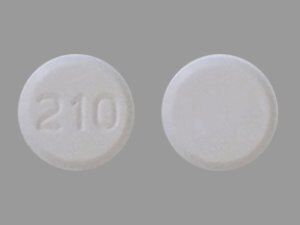
Amlodipine 10 mg Tablets --- 30 Count --- Ascend Pharma Labs --- Generic For Norvasc
Amlodipine 10 mg Tablets --- 30 Count --- Ascend Pharma Labs --- Generic For Norvasc is available through Pill Pals Pharmacy with cash-pay pharmacy pricing and free shipping where available. Prescription required.