




Description


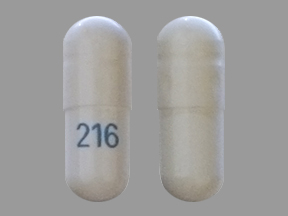
Lamotrigine 25 mg Tablets is available by prescription only. Go ahead and place your purchase. After making payment, we will ensure that a valid prescription is received from your prescriber.
Drug Label Highlights
These highlights do not include all the information needed to use LAMOTRIGINE TABLETS safely and effectively. See full prescribing information for LAMOTRIGINE TABLETS.
LAMOTRIGINE Tablets, for oral use
Initial U.S. Approval: 1994
Warning: Serious Skin Rashes
See full prescribing information for complete boxed warning.
Cases of life-threatening serious rashes, including Stevens-Johnson syndrome and toxic epidermal necrolysis, and/or rash-related death have been caused by lamotrigine. The rate of serious rash is greater in pediatric patients than in adults. Additional factors that may increase the risk of rash include:
coadministration with valproate.
exceeding recommended initial dose of lamotrigine.
exceeding recommended dose escalation for lamotrigine.
presence of the HLA-B*1502 allele. (5.1)
Benign rashes are also caused by lamotrigine; however, it is not possible to predict which rashes will prove to be serious or life threatening. Lamotrigine should be discontinued at the first sign of rash, unless the rash is clearly not drug related. (5.1)
Recent Major Changes
Boxed Warning
10/2025
Dosage and Administration (2.1, 2.2, 2.4)
4/2025
Warnings and Precautions,
Serious Skin Rashes
10/2025
Concomitant Use with Estrogen-Containing Products, Including Oral
Contraceptives (5.9)
4/2025
Sudden Unexplained Death in Epilepsy (5.12) – removal
4/2025
Indications And Usage
Lamotrigine tablets are indicated for:
Epilepsy—adjunctive therapy in patients aged 2 years and older:
partial-onset seizures.
primary generalized tonic-clonic (PGTC) seizures.
generalized seizures of Lennox-Gastaut syndrome. (1.1)
Epilepsy—monotherapy in patients aged 16 years and older: Conversion to monotherapy in patients with partial-onset seizures who are receiving treatment with carbamazepine, phenytoin, phenobarbital, primidone, or valproate as the single antiepileptic drug. (1.1)
Bipolar disorder: Maintenance treatment of bipolar I disorder to delay the time to occurrence of mood episodes in patients treated for acute mood episodes with standard therapy. (1.2)
Limitations of Use: Treatment of acute manic or mixed episodes is not recommended. Effectiveness of lamotrigine tablets in the acute treatment of mood episodes has not been established.
Dosage And Administration
Dosing is based on concomitant medications, indication, and patient age. (2.1, 2.2, 2.3, 2.4)
To avoid an increased risk of rash, the recommended initial dose and subsequent dose escalations should not be exceeded. (2.1)
Do not restart lamotrigine tablets in patients who discontinued due to rash unless the potential benefits clearly outweigh the risks. (2.1, 5.1)
Adjustments to maintenance doses will be necessary in most patients starting or stopping estrogen-containing products, including oral contraceptives. (2.1, 5.9)
Discontinuation: Taper over a period of at least 2 weeks (approximately 50% dose reduction per week). (2.1, 5.10)
Epilepsy:
Adjunctive therapy—See Table 1 for patients older than 12 years and Tables 2 and 3 for patients aged 2 to 12 years. (2.2)
Conversion to monotherapy—See Table 4. (2.3)
Bipolar disorder: See Tables 5 and 6. (2.4)
Dosage Forms And Strengths
Tablets: 25 mg, 100 mg, 150 mg, and 200 mg; scored. (3.1, 16)
Contraindications
Hypersensitivity to the drug or its ingredients. (Boxed Warning, 4)
Warnings And Precautions
- , Serious Skin Rashes 10/2025 Concomitant Use with Estrogen-Containing Products, Including Oral Contraceptives (5.9) 4/2025 Sudden Unexplained Death in Epilepsy (5.12) – removal 4/2025 INDICATIONS AND USAGE Lamotrigine tablets are indicated for: Epilepsy—adjunctive therapy in patients aged 2 years and older:
- partial-onset seizures.
- primary generalized tonic-clonic (PGTC) seizures.
- generalized seizures of Lennox-Gastaut syndrome. (1.1) Epilepsy—monotherapy in patients aged 16 years and older: Conversion to monotherapy in patients with partial-onset seizures who are receiving treatment with carbamazepine, phenytoin, phenobarbital, primidone, or valproate as the single antiepileptic drug. (1.1) Bipolar disorder: Maintenance treatment of bipolar I disorder to delay the time to occurrence of mood episodes in patients treated for acute mood episodes with standard therapy. (1.2) Limitations of Use: Treatment of acute manic or mixed episodes is not recommended. Effectiveness of lamotrigine tablets in the acute treatment of mood episodes has not been established. DOSAGE AND ADMINISTRATION
- Dosing is based on concomitant medications, indication, and patient age. (2.1, 2.2, 2.3, 2.4)
- To avoid an increased risk of rash, the recommended initial dose and subsequent dose escalations should not be exceeded. (2.1)
- Do not restart lamotrigine tablets in patients who discontinued due to rash unless the potential benefits clearly outweigh the risks. (2.1, 5.1)
- Adjustments to maintenance doses will be necessary in most patients starting or stopping estrogen-containing products, including oral contraceptives. (2.1, 5.9)
- , Serious Skin Rashes 10/2025 Concomitant Use with Estrogen-Containing Products, Including Oral Contraceptives (5.9) 4/2025 Sudden Unexplained Death in Epilepsy (5.12) – removal 4/2025 INDICATIONS AND USAGE Lamotrigine tablets are indicated for: Epilepsy—adjunctive therapy in patients aged 2 years and older:
- partial-onset seizures.
- primary generalized tonic-clonic (PGTC) seizures.
- generalized seizures of Lennox-Gastaut syndrome. (1.1) Epilepsy—monotherapy in patients aged 16 years and older: Conversion to monotherapy in patients with partial-onset seizures who are receiving treatment with carbamazepine, phenytoin, phenobarbital, primidone, or valproate as the single antiepileptic drug. (1.1) Bipolar disorder: Maintenance treatment of bipolar I disorder to delay the time to occurrence of mood episodes in patients treated for acute mood episodes with standard therapy. (1.2) Limitations of Use: Treatment of acute manic or mixed episodes is not recommended. Effectiveness of lamotrigine tablets in the acute treatment of mood episodes has not been established. DOSAGE AND ADMINISTRATION
- Dosing is based on concomitant medications, indication, and patient age. (2.1, 2.2, 2.3, 2.4)
- To avoid an increased risk of rash, the recommended initial dose and subsequent dose escalations should not be exceeded. (2.1)
- Do not restart lamotrigine tablets in patients who discontinued due to rash unless the potential benefits clearly outweigh the risks. (2.1, 5.1)
- Adjustments to maintenance doses will be necessary in most patients starting or stopping estrogen-containing products, including oral contraceptives. (2.1, 5.9)
Life-threatening serious rash and/or rash-related death: Discontinue at the first sign of rash, unless the rash is clearly not drug related. (Boxed Warning, 5.1)
Hemophagocytic lymphohistiocytosis: Consider this diagnosis and evaluate patients immediately if they develop signs or symptoms of systemic inflammation. Discontinue lamotrigine if an alternative etiology is not established. (5.2)
Fatal or life-threatening hypersensitivity reaction: Multiorgan hypersensitivity reactions, also known as drug reaction with eosinophilia and systemic symptoms, may be fatal or life threatening. Early signs may include rash, fever, and lymphadenopathy. These reactions may be associated with other organ involvement, such as hepatitis, hepatic failure, blood dyscrasias, or acute multiorgan failure. Lamotrigine should be discontinued if alternate etiology for this reaction is not found. (5.3)
Cardiac rhythm and conduction abnormalities: Based on in vitro findings, lamotrigine could cause serious arrhythmias and/or death in patients with certain underlying cardiac disorders or arrhythmias. Any expected or observed benefit of lamotrigine in an individual patient with clinically important structural or functional heart disease must be carefully weighed against the risk for serious arrhythmias and/or death for that patient. (5.4)
Blood dyscrasias (e.g., neutropenia, thrombocytopenia, pancytopenia): May occur, either with or without an associated hypersensitivity syndrome. Monitor for signs of anemia, unexpected infection, or bleeding. (5.5)
Suicidal behavior and ideation: Monitor for suicidal thoughts or behaviors. (5.6)
Aseptic meningitis: Monitor for signs of meningitis. (5.7)
Medication errors due to product name confusion: Strongly advise patients to visually inspect tablets to verify the received drug is correct. (5.8, 16, 17)
Adverse Reactions
Epilepsy: Most common adverse reactions (incidence ≥10%) in adults were dizziness, headache, diplopia, ataxia, nausea, blurred vision, somnolence, rhinitis, pharyngitis, and rash. Additional adverse reactions (incidence ≥10%) reported in children included vomiting, infection, fever, accidental injury, diarrhea, abdominal pain, and tremor. (6.1)
Bipolar disorder: Most common adverse reactions (incidence >5%) in adults were nausea, insomnia, somnolence, back pain, fatigue, rash, rhinitis, abdominal pain, and xerostomia. (6.1)
To report SUSPECTED ADVERSE REACTIONS, contact Unichem Pharmaceuticals (USA), Inc., at 1-866-562-4616 or FDA at 1-800-FDA-1088 or www.fda.gov/medwatch.
Drug Interactions
Valproate increases lamotrigine concentrations more than 2-fold. (7, 12.3)
Carbamazepine, phenytoin, phenobarbital, primidone, and rifampin decrease lamotrigine concentrations by approximately 40%. (7, 12.3)
Estrogen-containing oral contraceptives decrease lamotrigine concentrations by approximately 50%. (7,12.3)
Protease inhibitors lopinavir/ritonavir and atazanavir/lopinavir decrease lamotrigine exposure by approximately 50% and 32%, respectively. (7, 12.3)
Coadministration with organic cationic transporter 2 substrates with narrow therapeutic index is not recommended (7, 12.3)
Use In Specific Populations
Pregnancy: Based on animal data may cause fetal harm. (8.1)
Hepatic impairment: Dosage adjustments required in patients with moderate and severe liver impairment. (2.1, 8.6)
Renal impairment: Reduced maintenance doses may be effective for patients with significant renal impairment. (2.1,8.7)
See 17 for PATIENT COUNSELING INFORMATION and Medication Guide.
Revised: 11/2025
DailyMed highlights last updated: 2026-06-24 22:40:54







Reviews
There are no reviews yet.