




Description


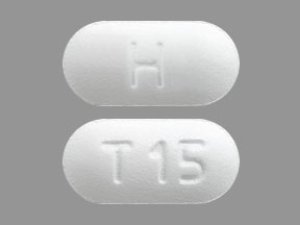
Lisinopril 5 mg Tablets is available by prescription only. Go ahead and place your purchase. After making payment, we will ensure that a valid prescription is received from your prescriber.
Drug Label Highlights
These highlights do not include all the information needed to use LISINOPRIL TABLETS safely and effectively. See full prescribing information for LISINOPRIL TABLETS.
LISINOPRIL tablets, for oral use
Initial U.S. Approval: 1988
Warning: Fetal Toxicity
See full prescribing information for complete boxed warning.
When pregnancy is detected, discontinue lisinopril as soon as possible. (5.1)
Drugs that act directly on the renin-angiotensin system can cause injury and death to the developing fetus. (5.1)
Indications And Usage
Lisinopril tablet USP is an angiotensin converting enzyme (ACE) inhibitor indicated for:
Treatment of hypertension in adults and pediatric patients 6 years of age and older (1.1)
Adjunct therapy for heart failure (1.2)
Treatment of Acute Myocardial Infarction (1.3)
Dosage And Administration
Hypertension: Initial adult dose is 10 mg once daily. Titrate up to 40 mg daily based on blood pressure response. Initiate patients on diuretics at 5 mg once daily (2.1)
Pediatric patients with glomerular filtration rate > 30 mL/min/1.73m2: Initial dose in patients 6 years of age and older is 0.07 mg per kg (up to 5 mg total) once daily (2.1)
Heart Failure: Initiate with 5 mg once daily. Increase dose as tolerated to 40 mg daily (2.2)
Acute Myocardial Infarction (MI): Give 5 mg within 24 hours of MI. Followed by 5 mg after 24 hours, then 10 mg once daily (2.3)
Renal Impairment: For patients with creatinine clearance > 10 mL/min and < 30 mL/min, halve usual initial dose. For patients with creatinine clearance < 10 mL/min or on hemodialysis, the recommended initial dose is 2.5 mg (2.4)
Dosage Forms And Strengths
Tablets: 2.5 mg, 5 mg, 10 mg, 20 mg, 30 mg, 40 mg (3)
Contraindications
Angioedema or a history of hereditary or idiopathic angioedema (4)
Hypersensitivity (4)
Co-administration of aliskiren with lisinopril in patients with diabetes (4, 7.4)
Warnings And Precautions
- Angioedema: Discontinue lisinopril, provide appropriate therapy and monitor until resolved (5.2)
- Renal impairment: Monitor renal function periodically (5.3)
- Hypotension: Patients with other heart or renal diseases have increased risk, monitor blood pressure after initiation (5.4)
- Hyperkalemia: Monitor serum potassium periodically (5.5)
- Cholestatic jaundice and hepatic failure: Monitor for jaundice or signs of liver failure (5.6)
- Angioedema: Discontinue lisinopril, provide appropriate therapy and monitor until resolved (5.2)
- Renal impairment: Monitor renal function periodically (5.3)
- Hypotension: Patients with other heart or renal diseases have increased risk, monitor blood pressure after initiation (5.4)
- Hyperkalemia: Monitor serum potassium periodically (5.5)
- Cholestatic jaundice and hepatic failure: Monitor for jaundice or signs of liver failure (5.6)
Angioedema: Discontinue lisinopril, provide appropriate therapy and monitor until resolved (5.2)
Renal impairment: Monitor renal function periodically (5.3)
Hypotension: Patients with other heart or renal diseases have increased risk, monitor blood pressure after initiation (5.4)
Hyperkalemia: Monitor serum potassium periodically (5.5)
Cholestatic jaundice and hepatic failure: Monitor for jaundice or signs of liver failure (5.6)
Adverse Reactions
Common adverse reactions (events 2% greater than placebo) by use:
Hypertension: headache, dizziness and cough (6.1)
Heart Failure: hypotension and chest pain (6.1)
Acute Myocardial Infarction: hypotension (6.1)
To report SUSPECTED ADVERSE REACTIONS, contact Lupin Pharmaceuticals, Inc. at 1-800-399-2561 or FDA at 1-800-FDA-1088 or www.fda.gov/medwatch.
Drug Interactions
Diuretics: Excessive drop in blood pressure (7.1)
NSAIDS: Increased risk of renal impairment and loss of antihypertensive efficacy (7.3)
Dual inhibition of the renin-angiotensin system: Increased risk of renal impairment, hypotension and hyperkalemia (7.4)
Lithium: Symptoms of lithium toxicity (7.5)
Gold: Nitritoid reactions have been reported (7.6)
Concomitant mTOR inhibitor or neprilysin inhibitor use may increase angioedema risk (7.7, 7.8)
Use In Specific Populations
Lactation: Advise not to breastfeed. (8.2)
Race: Less antihypertensive effect in blacks than non blacks (8.6)
See 17 for PATIENT COUNSELING INFORMATION.
Revised: 10/2025
DailyMed highlights last updated: 2026-06-24 23:09:44







Reviews
There are no reviews yet.