
Journal Article Summary
The article investigates how juvenile rhesus monkeys respond to fluoxetine, a medication commonly prescribed for depression in children. This research is significant because fluoxetine is the only antidepressant approved for pediatric use, yet its effectiveness and side effects can vary greatly among individuals. Understanding the biological markers that predict how a child might respond to fluoxetine could help tailor treatments and minimize adverse effects, particularly given the concerns about long-term impacts on brain development and behavior in young patients.
In the study, juvenile male rhesus monkeys were treated with fluoxetine or a placebo for one year, and their blood and cerebrospinal fluid were analyzed for metabolites—substances produced during metabolism. The researchers found distinct differences in metabolite profiles between the fluoxetine-treated monkeys and those receiving the placebo. Additionally, certain metabolites were linked to impulsivity, a behavior that can indicate potential side effects of the medication. The study also considered genetic factors, specifically variations in the monoamine oxidase A (MAOA) gene, which can influence how individuals metabolize and respond to medications.
Despite its findings, the study has limitations, including a small sample size and the need for further research to confirm the significance of the identified biomarkers. Readers should be aware that while this research provides insights into fluoxetine's effects, it does not establish definitive conclusions about its safety or efficacy in children. It is essential for patients and caregivers to discuss any concerns about fluoxetine treatment with a healthcare professional, particularly regarding potential side effects and the importance of monitoring treatment responses in young patients.
Medical Safety Note
This journal article summary is provided for educational purposes only and is not medical advice. Always consult a licensed healthcare professional before starting, stopping, or changing any medication.
Article Cited
- He Y, Hogrefe C E, Grapov D, Palazoglu M, Fiehn O, Turck C W, Golub M S. Identifying individual differences of fluoxetine response in juvenile rhesus monkeys by metabolite profiling. Translational Psychiatry 2014. DOI: 10.1038/tp.2014.116. PMID: 25369145. PMCID: PMC4259988.
Featured Pill Pals Product
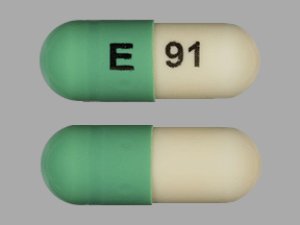
Fluoxetine 20 mg Capsule --- Generic for Prozac --- Aurobindo Pharma
Fluoxetine 20 mg Capsule — Generic for Prozac — Aurobindo Pharma is available through Pill Pals Pharmacy with cash-pay pharmacy pricing and free shipping where available. Prescription required.
Request a prescription transfer and our pharmacy team will help coordinate the next step.