
Journal Article Summary
The article discusses the critical role of radiology in managing injuries and health issues that arise after earthquakes, which are among the most devastating natural disasters. Following significant earthquakes, victims can suffer from a range of conditions, including fractures, soft-tissue injuries, and cardiovascular problems. The authors emphasize the importance of rapid and accurate imaging techniques, such as ultrasound, computed tomography, and magnetic resonance imaging, to assess these injuries and guide treatment effectively. Understanding the radiological characteristics of earthquake-related injuries is vital for healthcare providers in disaster situations.
The study reviews various imaging methods and their effectiveness in post-earthquake scenarios. It highlights that ultrasound, particularly the Focused Assessment with Sonography for Trauma (FAST), is the most accessible and practical imaging technique immediately after an earthquake. The article notes that while computed tomography and digital radiography are valuable, their use can be limited due to power outages and equipment accessibility. Key findings suggest that ultrasound can quickly identify injuries, allowing for better triage and management of patients in high-volume situations.
However, the article acknowledges several limitations, including the challenges of accessing imaging technology during disasters and the potential for delays in diagnosis and treatment. It also points out that the use of contrast agents in imaging should be approached cautiously due to risks like kidney complications. Readers are encouraged to discuss any concerns about earthquake-related injuries or imaging techniques with their healthcare professionals, especially regarding the potential risks and benefits of different imaging methods in emergency situations.
Medication Safety Note
This journal article summary is provided for educational purposes only and is not medical advice. Always consult a licensed healthcare professional before starting, stopping, or changing any medication. Always consult a licensed healthcare professional before using a medical device.
Article Cited
- Aydin Sonay, Kazci Omer, Ece Bunyamin, Kantarci Mecit. Earthquakes from a radiological perspective: what is demanded from the radiologists, and what can we do? A pictorial review. Diagnostic and Interventional Radiology 2024. DOI: 10.4274/dir.2023.232157. PMID: 37095695. PMCID: PMC10773182.
Featured Pill Pals Product
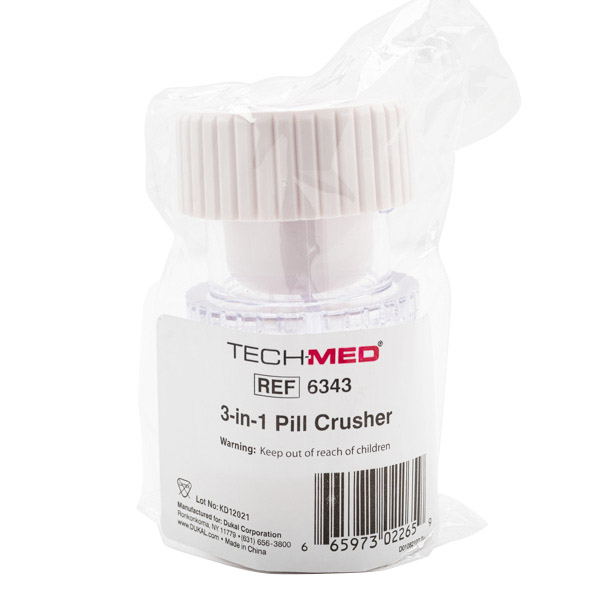
Pill Pals - Pill Cutter, Crusher, Splitter, and Holder (3 in 1) --- Three in One
Pill Pals - Pill Cutter, Crusher, Splitter, and Holder (3 in 1) --- Three in One is available through Pill Pals Pharmacy with cash-pay pharmacy pricing and free shipping where available. No prescription required for eligible over-the-counter purchases.