
Journal Article Summary
The article examines the issue of "aspirin resistance" in patients with cardiovascular disorders and questions whether this resistance is a true pharmacological phenomenon or primarily a result of patients not adhering to their prescribed aspirin regimen. Aspirin is a key medication used to prevent cardiovascular events, yet many patients continue to experience complications despite being prescribed the drug. Understanding the reasons behind these recurrent events is crucial, as it could influence treatment strategies and improve patient outcomes.
The authors reviewed existing studies and data to explore the prevalence of aspirin resistance and its relationship with patient compliance. They found that many patients who were labeled as "aspirin resistant" were actually non-compliant with their medication, which significantly impacted the effectiveness of aspirin therapy. In their analysis, they noted that a considerable number of patients who reported taking aspirin did not actually adhere to the regimen, leading to misleading conclusions about aspirin's effectiveness in preventing cardiovascular events.
The article highlights several limitations, including the variability in how aspirin resistance is defined and measured, which can lead to confusion in clinical practice. It emphasizes the importance of addressing non-compliance before considering changes in medication or dosage. Patients are encouraged to discuss their medication adherence with healthcare professionals, as understanding and overcoming barriers to compliance can significantly improve treatment outcomes and reduce the risk of cardiovascular complications.
Medical Safety Note
This journal article summary is provided for educational purposes only and is not medical advice. Always consult a licensed healthcare professional before starting, stopping, or changing any medication.
Article Cited
- Shantsila Eduard, Lip Gregory YH. 'Aspirin resistance' or treatment non-compliance: Which is to blame for cardiovascular complications?. Journal of Translational Medicine 2008. DOI: 10.1186/1479-5876-6-47. PMID: 18759979. PMCID: PMC2535592.
Featured Pill Pals Product
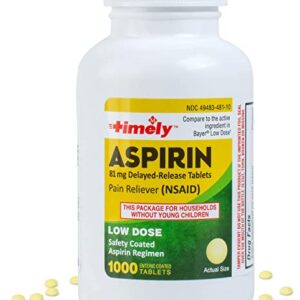
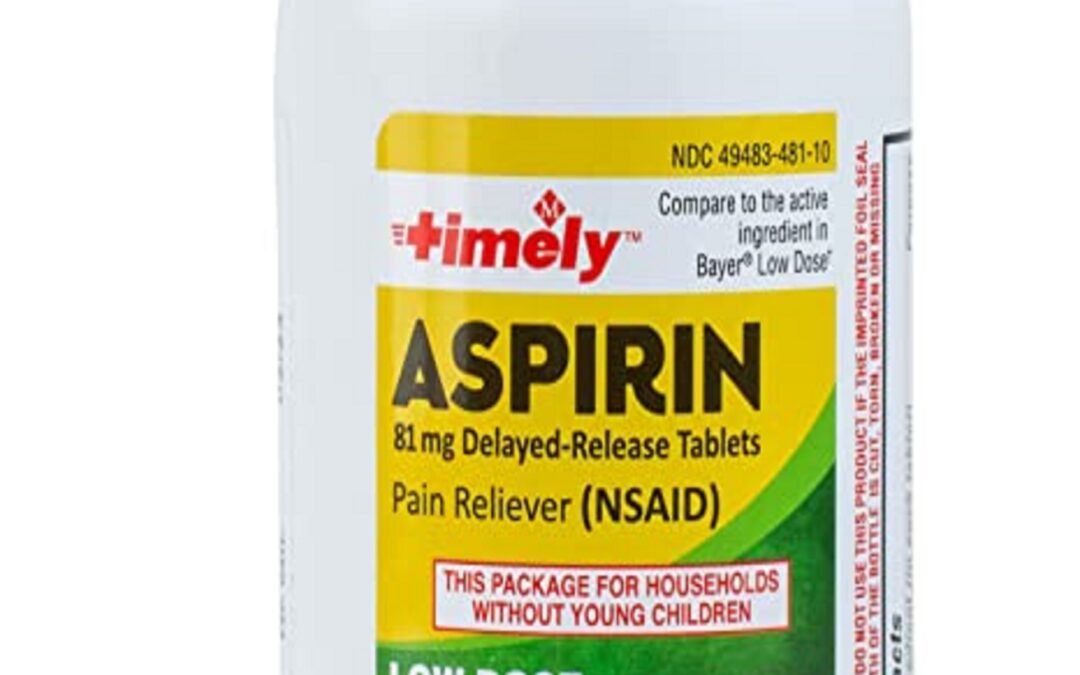
1000 (1,000) Count Low Dose Aspirin 81mg for Adults and Children 12 years and over --- Generic For Bayer Low Dose --- Time Cap Labs --- Over The Counter
1000 (1,000) Count Low Dose Aspirin 81mg for Adults and Children 12 years and over — Generic For Bayer Low Dose — Time Cap Labs — Over The Counter is available through Pill Pals Pharmacy with cash-pay pharmacy pricing and free shipping where available. This is an Over The Counter Product, so no prescription is required.However, your prescriber can still write for it as a prescription, if desired.