
Atorvastatin is more than a cholesterol number
Atorvastatin is often described as a cholesterol pill, but the reason it matters is bigger than a lab result. LDL cholesterol contributes to plaque buildup in arteries. Over time, plaque can narrow blood vessels, reduce blood flow, and increase the risk of heart attack and stroke. Lowering LDL is one way to reduce that risk in appropriate patients.
For some people, atorvastatin is prescribed after a cardiovascular event. For others, it is prescribed before an event occurs because their risk factors suggest prevention is important. Risk factors may include age, high blood pressure, diabetes, smoking, family history, chronic kidney disease, or very high LDL cholesterol.
Primary and secondary prevention
Primary prevention means reducing the chance of a first cardiovascular event. A patient may not have known heart disease but may still have risk factors. Secondary prevention means reducing risk after a heart attack, stroke, stent, bypass surgery, angina, or other evidence of cardiovascular disease. Atorvastatin may be used in both settings depending on the patient.
The intensity of therapy may differ. Patients with known cardiovascular disease may need more aggressive LDL lowering than patients with lower risk. This is why a prescriber may choose a higher atorvastatin strength for one patient and a lower strength for another.
Why consistency matters
Cardiovascular risk reduction is a long-term goal. Missing doses frequently, stopping when the bottle runs out, or taking atorvastatin only when eating unhealthy meals does not provide the intended benefit. Statins are designed to be taken consistently according to the prescription.
Patients who have trouble remembering refills should use reminders, automatic refill tools, or pharmacy support. Our article on long-term atorvastatin therapy explains why staying consistent is so important.
Medication works best with risk factor control
Atorvastatin can help lower LDL, but it does not replace other heart health habits. Blood pressure control, diabetes management, not smoking, movement, sleep, stress management, and nutrition all matter. Patients should ask their healthcare team which changes will make the biggest difference for their personal risk.
For more on LDL lowering, review atorvastatin for cholesterol. Patients with diabetes can also read atorvastatin and diabetes patients.
Questions to ask the prescriber
- Am I taking atorvastatin for primary prevention or secondary prevention?
- What LDL goal or percentage reduction are we trying to reach?
- How often should my cholesterol be checked?
- Do I need other heart risk factors treated more aggressively?
- What should I do if side effects make it hard to continue?
The bottom line
Atorvastatin supports heart health by lowering LDL cholesterol and helping reduce cardiovascular risk in patients who need therapy. The value of the medication is strongest when it is taken consistently and combined with a complete heart-health plan.
Medication Safety Note: This article is for general educational purposes only and is not a substitute for medical advice, diagnosis, or treatment. Atorvastatin is a prescription medication. Always follow the directions from your prescriber and pharmacist. Do not start, stop, or change your atorvastatin dose without professional guidance. Seek urgent medical help for severe allergic reaction symptoms, severe muscle weakness, dark urine with muscle pain, chest pain, stroke symptoms, or other emergency symptoms.

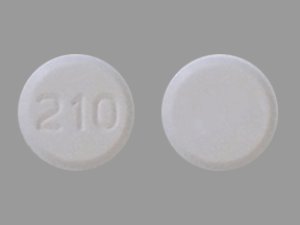
Atorvastatin 20 mg Tablets --- Generic For Lipitor --- Novadoz
Atorvastatin 20 mg Tablets — Generic For Lipitor — Novadoz is available through Pill Pals Pharmacy with cash-pay pharmacy pricing and free shipping where available. Prescription required.
Request a prescription transfer and our pharmacy team will help coordinate the next step.