
Journal Article Summary
The article investigates the occurrence of dysesthesia, particularly burning sensations in the skin, associated with glucagon-like peptide-1 receptor (GLP-1R) agonist therapies. This topic is important because GLP-1R agonists are increasingly used for managing type 2 diabetes and obesity, yet there is limited understanding of their potential neurological side effects. Dysesthesia, which refers to abnormal skin sensations, can significantly impact patients' quality of life and treatment adherence, making it crucial to identify and characterize these adverse effects.
The researchers conducted a data-mining analysis using the VigiBase pharmacovigilance database, focusing on cases of dysesthesia linked to GLP-1R agonists. They found that exenatide was associated with reduced sensitivity in the mouth, while semaglutide and tirzepatide were linked to heightened sensitivity and burning sensations. The analysis revealed that dysesthesia was more common at higher doses and often resolved after discontinuation of the medication. The study also reviewed individual case reports from the French Pharmacovigilance database, confirming that burning sensations were frequently reported, particularly among middle-aged women.
However, the study has limitations, including variability in data quality and potential reporting biases, which may affect the findings. Patients experiencing dysesthesia should consult their healthcare providers to discuss their symptoms and consider the impact on their treatment plans. It is essential for patients to communicate any adverse effects they experience while on GLP-1R agonists, as this can help tailor their treatment and improve their overall health outcomes.
Medication Safety Note
This journal article summary is provided for educational purposes only and is not medical advice. Always consult a licensed healthcare professional before starting, stopping, or changing any medication.
Article Cited
- Laroche Marie-Laure, Géniaux Hélène, Jardou Manon. Dysesthesia associated with GLP-1 agonist therapies: data-mining analysis and literature review. European Journal of Clinical Pharmacology 2026. DOI: 10.1007/s00228-026-04079-7. PMID: 42168638. PMCID: PMC13194321.
Featured Pill Pals Product
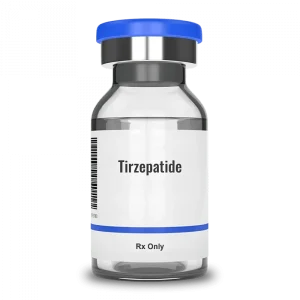
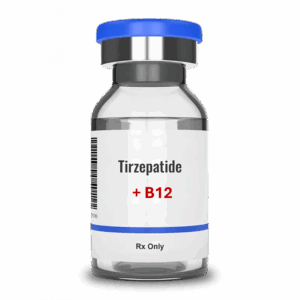
Tirzepatide --- 72 mg / 4 ml --- 4 ml vial --- Weight Loss Glucagon-Like Peptide-1 (GLP-1)
Tirzepatide — 72 mg / 4 ml — 4 ml vial — Weight Loss Glucagon-Like Peptide-1 (GLP-1) is available through Pill Pals Pharmacy with cash-pay pharmacy pricing and free shipping where available. Prescription required.
Request a prescription transfer and our pharmacy team will help coordinate the next step.