

Journal Article Summary
The article investigates how two common H1-antihistamines, cetirizine and fexofenadine, affect the development of fatty liver disease in mice. This research is important because fatty liver disease is a growing health concern, often linked to obesity and high-fat diets, and understanding the impact of medications on liver health can help inform safer treatment options. The study specifically looks at the differences between wild-type mice and those lacking apolipoprotein E (ApoE), a protein involved in lipid metabolism.
In the study, male C57Bl/6 wild-type and ApoE−/− mice were fed a high-fat diet for three months while receiving either cetirizine or fexofenadine. The findings revealed that the antihistamines led to increased body weight, fat accumulation, and liver weight in wild-type mice, but not in the ApoE−/− mice. Additionally, while certain liver injury markers rose in the wild-type group, the antihistamines did not significantly affect inflammation or necrosis levels in either type of mouse. The study also noted changes in liver fat composition and bile acid levels associated with the antihistamine treatments.
However, the study has limitations, including its focus on mice rather than humans, which may affect the applicability of the results to human health. Patients should be aware that while these findings suggest a potential risk of worsening fatty liver disease with H1-antihistamines, individual responses can vary. It is advisable for readers to discuss their use of antihistamines and any concerns about liver health with a healthcare professional, especially if they have risk factors for fatty liver disease or are on a high-fat diet.
Medication Safety Note
This journal article summary is provided for educational purposes only and is not medical advice. Always consult a licensed healthcare professional before starting, stopping, or changing any medication.
Article Cited
- Raveendran Vineesh V., Kassel Karen M., Smith Donald D., Luyendyk James P., Williams Kurt J., Cherian Rachel, Reed Gregory A., Flynn Colleen A., et al.. H1-antihistamines exacerbate high-fat diet-induced hepatic steatosis in wild-type but not in apolipoprotein E knockout mice. American Journal of Physiology – Gastrointestinal and Liver Physiology 2014. DOI: 10.1152/ajpgi.00027.2014. PMID: 24852568. PMCID: PMC4101675.
Featured Pill Pals Product
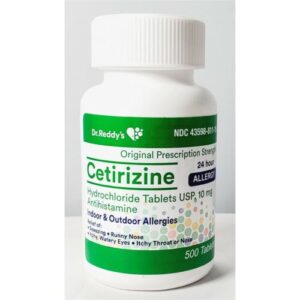
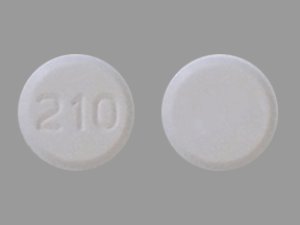
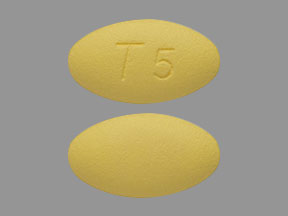
Cetirizine 10 mg Tablets - 500 count - Generic For Zyrtec --- DR REDDY --- Over The Counter
Cetirizine 10 mg Tablets – 500 count – Generic For Zyrtec — DR REDDY — Over The Counter is available through Pill Pals Pharmacy with cash-pay pharmacy pricing and free shipping where available. This is an Over The Counter Product, so no prescription is required.However, your prescriber can still write for it as a prescription, if desired.