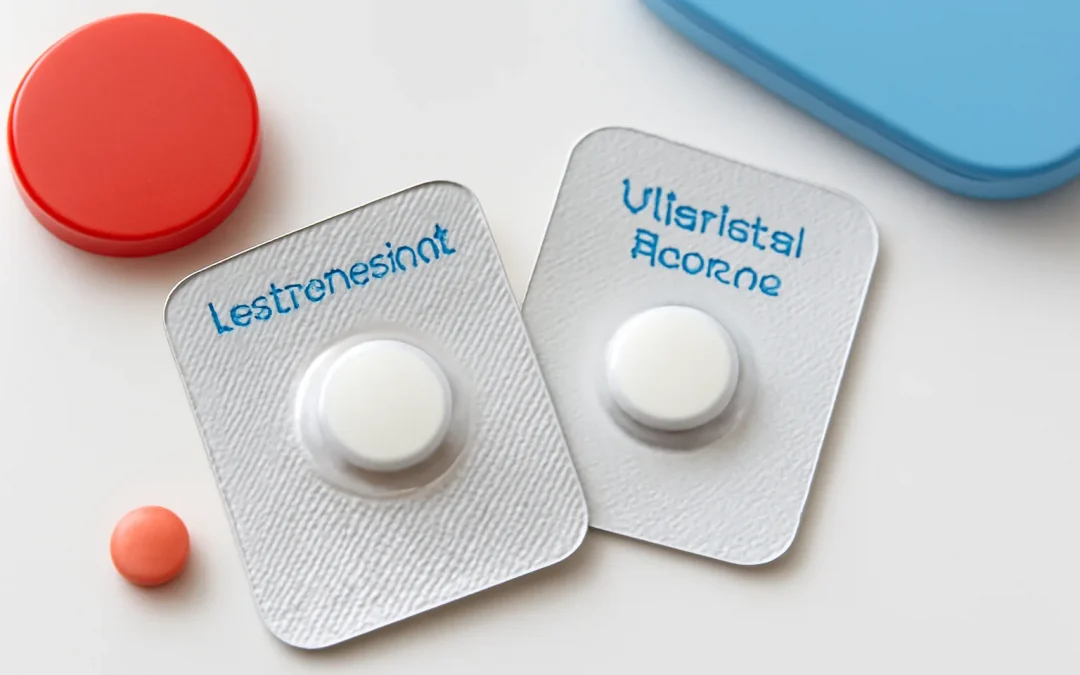

Emergency contraception is not one single product. Two pill options people may hear about are levonorgestrel and ulipristal acetate. They are both used after sex to reduce the chance of pregnancy, but they are not identical.
Levonorgestrel emergency contraception
Levonorgestrel is the active ingredient in Plan B One-Step and many generic morning after pills. It is widely available over the counter in the United States and is commonly labeled for use as soon as possible within 72 hours after unprotected sex or contraceptive failure.
Levonorgestrel works mainly by delaying or preventing ovulation. After levonorgestrel emergency contraception, regular hormonal contraception can often be started or resumed right away, though backup protection may be needed for 7 days.
Ulipristal acetate emergency contraception
Ulipristal acetate is a prescription emergency contraceptive pill in the United States. It may be used up to 5 days after unprotected sex. Because it has antiprogestin effects, timing with regular hormonal contraception is different. Starting hormonal contraception too soon after ulipristal may reduce ulipristal’s effectiveness, so clinician guidance is important.
Which option is best?
The best option depends on timing, availability, health history, current medications, breastfeeding, body weight considerations, and whether you need an ongoing birth control method. A copper IUD or certain IUD options may also be discussed with a clinician and can provide ongoing contraception after placement.
For more on body weight and emergency contraception, read Emergency Contraception and Body Weight: What Patients Should Know.
Access considerations
Levonorgestrel products are often easier to obtain quickly because many are sold over the counter. Ulipristal requires a prescription, which can create delays. Since timing matters, access may influence the best practical choice. If a prescription option is preferred, contacting a clinic, telehealth service, or prescriber quickly may help.
Medication interactions
Certain medications and supplements may reduce the effectiveness of emergency contraceptive pills. Examples may include certain seizure medications, tuberculosis medications, HIV medications, and St. John’s wort. Tell a pharmacist or clinician what you take before choosing an option.
Health & Wellness note
This article is educational and does not tell every person which product to use. Emergency contraception decisions are time-sensitive and individualized. Ask a pharmacist or clinician for guidance based on your exact timing and medication history.
Sources and further reading
Explore related Health & Wellness support from Pill Pals.
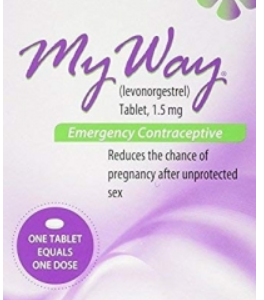
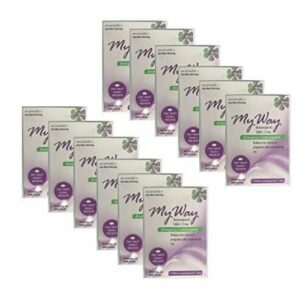
My Way (Levonorgestrel) 1.5 mg Tablet - Generic For Plan B and Morning After Pill --- Lupin Pharma --- Over The Counter
My Way (Levonorgestrel) 1.5 mg Tablet – Generic For Plan B and Morning After Pill — Lupin Pharma — Over The Counter is available through Pill Pals Pharmacy with cash-pay pharmacy pricing and free shipping where available. This is an Over The Counter Product, so no prescription is required.However, your prescriber can still write for it as a prescription, if desired.