Description
Allopurinol 300 mg Tablets is available by prescription only. Go ahead and place your purchase. After making payment, we will ensure that a valid prescription is received from your prescriber.
Drug Label Highlights
Source: This information is taken from the official DailyMed drug label page when available. It is provided for educational purposes and is not a substitute for pharmacist counseling, prescriber instructions, or the full official labeling.
These highlights do not include all the information needed to use ALLOPURINOL TABLETS safely and effectively. See full prescribing information for ALLOPURINOL TABLETS.
ALLOPURINOL tablets,
for oral use Initial U.S. Approval: 1966
Indications And Usage
Allopurinol tablets is a xanthine oxidase inhibitor indicated for the management of:
Limitations of Use
Allopurinol is not recommended for the treatment of asymptomatic hyperuricemia. (1)
Dosage And Administration
− Adults: 300 mg to 800 mg orally daily.
− Pediatric patients: 100 mg/m2 orally every 8 hours to 12 hours (10 mg/kg/day, maximum 800 mg/day)
− See complete information in the FPI. (2.4, 2.6)
Dosage Forms And Strengths
Tablets: 100 mg and 300 mg, functionally scored (3)
Contraindications
Known hypersensitivity to allopurinol or to any of the ingredients of allopurinol tablets. (4)
Warnings And Precautions
- Skin Rash and Hypersensitivity: Allopurinol has been associated with serious and sometimes fatal dermatological reactions. Discontinue allopurinol at the first appearance of skin rash or other signs of hypersensitivity reaction. (5.1)
- Gout Flares: May occur during initiation of treatment. Concurrent prophylactic treatment with colchicine or anti-inflammatory agents is recommended. (5.2)
- Nephrotoxicity: Allopurinol may affect kidney function. Patients with decreased kidney function require lower doses of allopurinol. (5.3)
- Hepatoxicity: Cases of reversible hepatotoxicity have occurred. If signs and symptoms of hepatotoxicity develop, evaluate liver function. (5.4)
- Myelosuppression: Bone marrow suppression has been reported with allopurinol. (5.5)
- Potential Effect on Driving and Use of Machinery: Drowsiness, somnolence and dizziness have been reported in patients taking allopurinol. (5.6)
- Skin Rash and Hypersensitivity: Allopurinol has been associated with serious and sometimes fatal dermatological reactions. Discontinue allopurinol at the first appearance of skin rash or other signs of hypersensitivity reaction. (5.1)
- Gout Flares: May occur during initiation of treatment. Concurrent prophylactic treatment with colchicine or anti-inflammatory agents is recommended. (5.2)
- Nephrotoxicity: Allopurinol may affect kidney function. Patients with decreased kidney function require lower doses of allopurinol. (5.3)
- Hepatoxicity: Cases of reversible hepatotoxicity have occurred. If signs and symptoms of hepatotoxicity develop, evaluate liver function. (5.4)
- Myelosuppression: Bone marrow suppression has been reported with allopurinol. (5.5)
- Potential Effect on Driving and Use of Machinery: Drowsiness, somnolence and dizziness have been reported in patients taking allopurinol. (5.6)
Adverse Reactions
Most common adverse reactions (incidence > 1%) are nausea, diarrhea, and increase in liver function tests. (6)
To report SUSPECTED ADVERSE REACTIONS, contact Hetero Labs Limited at 1-866-495-1995 or FDA at 1-800-FDA-1088 or www.fda.gov/medwatch.
Drug Interactions
Use In Specific Populations
See 17 for PATIENT COUNSELING INFORMATION.
Revised: 6/2024
DailyMed highlights last updated: 2026-06-24 22:34:12
Medication Guide
Medication Summary
Medication Summary: This section summarizes DailyMed drug label information to make the label easier to understand. It is not a substitute for the official label, pharmacist counseling, prescriber instructions, or medical advice.
Overview
Allopurinol tablets are prescription medicine for oral use. They are used to help manage gout in adults, certain high uric acid problems related to cancer treatment in adults and children, and recurrent calcium oxalate kidney stones in some adults with high uric acid excretion. The label says allopurinol is not recommended for treating asymptomatic hyperuricemia.
The label warns that serious skin reactions and hypersensitivity can happen, including rare but life-threatening reactions. If a rash or other signs of hypersensitivity occur, the medicine should be stopped and medical attention sought promptly.
Other important warnings include possible gout flares when treatment is started, kidney effects, liver problems, bone marrow suppression, and drowsiness or dizziness. The label also lists important drug interactions, including capecitabine, mercaptopurine, azathioprine, pegloticase, and certain antibiotics and diuretics.
Storage Information
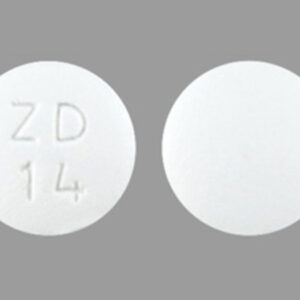
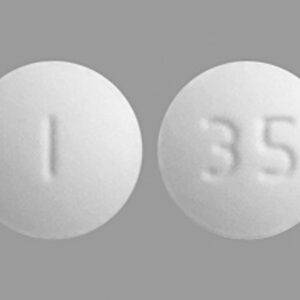
STORAGE AND HANDLING How Supplied Allopurinol Tablets, USP 100 mg -White to off-white colored, round tablets debossed with “U” and “5” on one side and functional score line with “H” on the other side. Storage and Handling Store at 20°C to 25°C (68°F to 77°F) [see USP Controlled Room Temperature], in a dry place. Dispense in a tight container as defined in the USP.
Key Counseling Points
- Allopurinol is used for certain gout, cancer-therapy-related uric acid problems, and recurrent calcium oxalate stones in selected adults.
- Do not use it for asymptomatic hyperuricemia; the label says it is not recommended for that purpose.
- Report a rash or any signs of hypersensitivity right away; serious skin reactions can be life-threatening.
- Gout flares can happen when treatment starts; the label says allopurinol does not need to be stopped if a flare occurs, but the flare should be treated appropriately.
- Take the medicine as directed and follow the prescribed dose changes; the label recommends gradual dose increases for gout.
- The label says allopurinol is generally better tolerated if taken following meals.
- Drink fluids as directed by the prescriber, since the label emphasizes maintaining good fluid intake to help reduce kidney stone risk and support urine output goals.
- Tell the prescriber about kidney or liver disease, since the label warns that dose changes and monitoring may be needed.
- This medicine may cause drowsiness, somnolence, or dizziness; use caution with driving or machinery until you know how it affects you.
- Tell the prescriber about all other medicines, especially capecitabine, mercaptopurine, azathioprine, pegloticase, thiazide diuretics, ampicillin, and amoxicillin.
Helpful Patient Education
Allopurinol tablets are a prescription xanthine oxidase inhibitor used to help manage gout, certain cancer-therapy-related increases in uric acid, and recurrent calcium oxalate calculi in selected patients with high uric acid excretion. The DailyMed label also notes that allopurinol is not recommended for asymptomatic hyperuricemia.
Educational information on this page is based on the product’s label and includes key safety points such as the risk of serious skin reactions, gout flares during treatment initiation, kidney and liver monitoring, and important drug interactions. Always follow the official prescribing information for complete details.
Medication Summary last generated: 2026-07-17 02:40:57
Allopurinol 300 mg Tablets --- Generic For Zyloprim --- Camber may require patient-specific counseling based on your prescription, directions, allergies, medical history, and other medications.
This Medication Guide section is provided for general educational purposes only. It does not replace the official medication guide, patient information leaflet, counseling from your pharmacist, or medical advice from your prescriber.
Please read all information provided with your prescription. Contact Pill Pals Pharmacy or your prescriber with questions before using this medication.
Only logged in customers who have purchased this product may leave a review.









Reviews
There are no reviews yet.