




Description


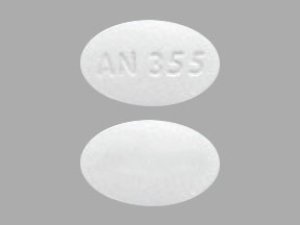
Divalproex Sodium 125 mg Delayed Release Tablets is available by prescription only. Go ahead and place your purchase. After making payment, we will ensure that a valid prescription is received from your prescriber.
Drug Label Highlights
These highlights do not include all the information needed to use DIVALPROEX SODIUM DELAYED-RELEASE TABLETS safely and effectively. See full prescribing information for DIVALPROEX SODIUM DELAYED-RELEASE TABLETS.
DIVALPROEX SODIUM delayed-release tablets, for oral use
Initial U.S. Approval: 1983
Warning: Life Threatening Adverse Reactions
See full prescribing information for complete boxed warning.
Hepatotoxicity, including fatalities, usually during the first 6 months of treatment. Children under the age of two years and patients with mitochondrial disorders are at higher risk. Monitor patients closely, and perform serum liver testing prior to therapy and at frequent intervals thereafter (5.1)
Fetal Risk, particularly neural tube defects, other major malformations, and decreased IQ (5.2, 5.3, 5.4)
Pancreatitis, including fatal hemorrhagic cases (5.5)
Recent Major Changes
Contraindications (4) 5/2025
Warnings and Precautions (5.2, 5.3) 3/2026
Warnings and Precautions (5.13, 5.14) 5/2025
Indications And Usage
Divalproex sodium is an anti-epileptic drug indicated for:
Treatment of manic episodes associated with bipolar disorder (1.1)
Monotherapy and adjunctive therapy of complex partial seizures and simple and complex absence seizures; adjunctive therapy in patients with multiple seizure types that include absence seizures (1.2)
Prophylaxis of migraine headaches (1.3)
Dosage And Administration
Divalproex sodium delayed-release tablets are administered orally in divided doses. Divalproex sodium delayed-release tablets should be swallowed whole and should not be crushed or chewed (2.1, 2.2).
Mania: Initial dose is 750 mg daily, increasing as rapidly as possible to achieve therapeutic response or desired plasma level (2.1). The maximum recommended dosage is 60 mg/kg/day (2.1, 2.2).
Complex Partial Seizures: Start at 10 to 15 mg/kg/day, increasing at 1 week intervals by 5 to 10 mg/kg/day to achieve optimal clinical response; if response is not satisfactory, check valproate plasma level; see full prescribing information for conversion to monotherapy (2.2). The maximum recommended dosage is 60 mg/kg/day (2.1, 2.2).
Absence Seizures: Start at 15 mg/kg/day, increasing at 1 week intervals by 5 to 10 mg/kg/day until seizure control or limiting side effects (2.2). The maximum recommended dosage is 60 mg/kg/day (2.1, 2.2).
Migraine: The recommended starting dose is 250 mg twice daily, thereafter increasing to a maximum of 1,000 mg/day as needed (2.3).
Dosage Forms And Strengths
Tablets: 125 mg, 250 mg and 500 mg (3)
Contraindications
Hepatic disease or significant hepatic dysfunction (4, 5.1)
Known mitochondrial disorders caused by mutations in mitochondrial DNA polymerase γ (POLG) (4, 5.1)
Suspected POLG-related disorder in children under two years of age (4, 5.1)
Known hypersensitivity to divalproex sodium, sodium valproate, or valproic acid (4, 5.12, 5.13, 5.14)
Urea cycle disorders (4, 5.6)
Prophylaxis of migraine headaches: Pregnant women, women of childbearing potential not using effective contraception (4, 8.1)
Warnings And Precautions
- (5.2, 5.3) 3/2026 Warnings and Precautions (5.13, 5.14) 5/2025 INDICATIONS AND USAGE Divalproex sodium is an anti-epileptic drug indicated for:
- Treatment of manic episodes associated with bipolar disorder (1.1)
- Monotherapy and adjunctive therapy of complex partial seizures and simple and complex absence seizures; adjunctive therapy in patients with multiple seizure types that include absence seizures (1.2)
- Prophylaxis of migraine headaches (1.3) DOSAGE AND ADMINISTRATION
- Divalproex sodium delayed-release tablets are administered orally in divided doses. Divalproex sodium delayed-release tablets should be swallowed whole and should not be crushed or chewed (2.1, 2.2).
- Mania: Initial dose is 750 mg daily, increasing as rapidly as possible to achieve therapeutic response or desired plasma level (2.1). The maximum recommended dosage is 60 mg/kg/day (2.1, 2.2).
- Complex Partial Seizures: Start at 10 to 15 mg/kg/day, increasing at 1 week intervals by 5 to 10 mg/kg/day to achieve optimal clinical response; if response is not satisfactory, check valproate plasma level; see full prescribing information for conversion to monotherapy (2.2). The maximum recommended dosage is 60 mg/kg/day (2.1, 2.2).
- Absence Seizures: Start at 15 mg/kg/day, increasing at 1 week intervals by 5 to 10 mg/kg/day until seizure control or limiting side effects (2.2). The maximum recommended dosage is 60 mg/kg/day (2.1, 2.2).
- (5.2, 5.3) 3/2026 Warnings and Precautions (5.13, 5.14) 5/2025 INDICATIONS AND USAGE Divalproex sodium is an anti-epileptic drug indicated for:
- Treatment of manic episodes associated with bipolar disorder (1.1)
- Monotherapy and adjunctive therapy of complex partial seizures and simple and complex absence seizures; adjunctive therapy in patients with multiple seizure types that include absence seizures (1.2)
- Prophylaxis of migraine headaches (1.3) DOSAGE AND ADMINISTRATION
- Divalproex sodium delayed-release tablets are administered orally in divided doses. Divalproex sodium delayed-release tablets should be swallowed whole and should not be crushed or chewed (2.1, 2.2).
- Mania: Initial dose is 750 mg daily, increasing as rapidly as possible to achieve therapeutic response or desired plasma level (2.1). The maximum recommended dosage is 60 mg/kg/day (2.1, 2.2).
- Complex Partial Seizures: Start at 10 to 15 mg/kg/day, increasing at 1 week intervals by 5 to 10 mg/kg/day to achieve optimal clinical response; if response is not satisfactory, check valproate plasma level; see full prescribing information for conversion to monotherapy (2.2). The maximum recommended dosage is 60 mg/kg/day (2.1, 2.2).
- Absence Seizures: Start at 15 mg/kg/day, increasing at 1 week intervals by 5 to 10 mg/kg/day until seizure control or limiting side effects (2.2). The maximum recommended dosage is 60 mg/kg/day (2.1, 2.2).
Birth defects, decreased IQ, and neurodevelopmental disorders following in utero exposure: Should not be used to treat women with epilepsy or bipolar disorder who are pregnant or who plan to become pregnant or to treat a woman of childbearing potential unless other medications have failed to provide adequate symptom control or are otherwise unacceptable (5.2, 5.3, 5.4)
Pancreatitis: Divalproex sodium delayed-release tablets should ordinarily be discontinued (5.5)
Suicidal behavior or ideation: Antiepileptic drugs, including divalproex sodium, increase the risk of suicidal thoughts or behavior (5.7)
Bleeding and other hematopoietic disorders: Monitor platelet counts and coagulation tests (5.8)
Hyperammonemia and hyperammonemic encephalopathy: Measure ammonia level if unexplained lethargy and vomiting or changes in mental status, and also with concomitant topiramate use; consider discontinuation of valproate therapy (5.6, 5.9, 5.10)
Hypothermia: Hypothermia has been reported during valproate therapy with occur in patients using concomitant topiramate (5.11)
Drug Reaction with Eosinophilia and Systemic Symptoms (DRESS)/Multiorgan Hypersensitivity Reactions, serious dermatologic reactions, and angioedema: Discontinue divalproex sodium delayed-release tablets unless an alternate etiology is established (4, 5.12, 5.13, 5.14)
Adverse Reactions
Most common adverse reactions (reported ≥15% for any indication) are abdominal pain, alopecia, asthenia, diarrhea, diplopia, dizziness, headache, infection, insomnia, nausea, somnolence, thrombocytopenia, tremor, vomiting (6.1, 6.2, 6.3).
The safety and tolerability of valproate in pediatric patients were shown to be comparable to those in adults (8.4).
To report SUSPECTED ADVERSE REACTIONS, contact Sun Pharmaceutical Industries, Inc. at 1-800-818-4555 or FDA at 1-800-FDA-1088 or www.fda.gov/medwatch.
Drug Interactions
Hepatic enzyme-inducing drugs (e.g., phenytoin, carbamazepine, phenobarbital, primidone, rifampin) can increase valproate clearance, while enzyme inhibitors (e.g., felbamate) can decrease valproate clearance. Therefore increased monitoring of valproate and concomitant drug concentrations and dosage adjustment are indicated whenever enzyme-inducing or inhibiting drugs are introduced or withdrawn (7.1)
Aspirin, carbapenem antibiotics, estrogen-containing hormonal contraceptives, methotrexate: Monitoring of valproate concentrations is recommended (7.1)
Coadministration of valproate can affect the pharmacokinetics of other drugs (e.g., diazepam, ethosuximide, lamotrigine, phenytoin) by inhibiting their metabolism or protein binding displacement (7.2)
Patients stabilized on rufinamide should begin valproate therapy at a low dose, and titrate to clinically effective dose (7.2)
Dosage adjustment of amitriptyline/nortriptyline, propofol, warfarin, and zidovudine may be necessary if used concomitantly with divalproex sodium delayed-release tablets (7.2)
Topiramate: Hyperammonemia and encephalopathy (5.10, 7.3)
Cannabidiol: ALT and/or AST elevation (7.4)
Use In Specific Populations
Pregnancy: Divalproex sodium delayed-release tablets can cause congenital malformations including neural tube defects, decreased IQ, and neurodevelopmental disorders (5.2, 5.3, 8.1)
Geriatric: Reduce starting dose; increase dosage more slowly; monitor fluid and nutritional intake, and somnolence (5.16, 8.5)
See 17 for PATIENT COUNSELING INFORMATION and Medication Guide.
Revised: 4/2026
DailyMed highlights last updated: 2026-06-24 22:23:52














Reviews
There are no reviews yet.