




Description


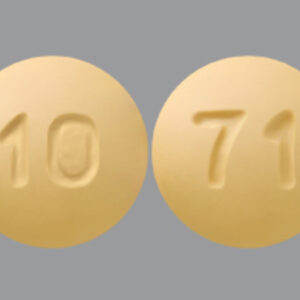
Ezetimibe 10 mg Tablets is available by prescription only. Go ahead and place your purchase. After making payment, we will ensure that a valid prescription is received from your prescriber.
Drug Label Highlights
These highlights do not include all the information needed to use EZETIMIBE TABLETS safely and effectively. See full prescribing information for EZETIMIBE TABLETS.
EZETIMIBE tablets, for oral use
Initial U.S. Approval: 2002
Indications And Usage
EZETIMIBE Tablets
is indicated (1):
When ezetimibe tablets is used in combination with a statin, fenofibrate, or other LDL-C lowering therapies, refer to the Prescribing Information of these products for information on the safe and effective use (1).
Dosage And Administration
10-mg orally once daily, with or without food (2)
Administer ezetimibe tablets either ≥2 hours before or ≥4 hours after administration of a bile acid sequestrant. (2)
Assess LDL-C when clinically appropriate, as early as 4 weeks after initiating ezetimibe tablets. (2)
Dosage Forms And Strengths
Tablets: 10 mg (3)
Contraindications
Hypersensitivity to ezetimibe or any excipient of ezetimibe tablets. (4)
When used in combination with a statin, fenofibrate, or other LDL-C lowering therapy, ezetimibe tablets is contraindicated in patients for whom a statin, fenofibrate, or other LDL-C lowering therapy are contraindicated. Refer to the Prescribing Information of these products for a list of their contraindications. (4)
Warnings And Precautions
- Risks Associated with Combination Treatment with a Statin, Fenofibrate, or Other LDL-C Lowering Therapies: Refer to the Prescribing Information of these products for a description of their risks including, but not limited to, the warnings and precautions. (5.1)
- Liver Enzyme Abnormalities and Monitoring: Increases in serum transaminases have been reported with use of ezetimibe tablets. Perform liver enzyme testing as clinically indicated and consider withdrawal of ezetimibe tablets if increases in ALT or AST ≥3 X ULN persist. (5.2)
- Skeletal Muscle Effects (e.g., Myopathy and Rhabdomyolysis): ezetimibe tablets may cause myopathy and rhabdomyolysis. In post-marketing reports, most patients who developed rhabdomyolysis were taking a statin or other agents known to be associated with an increased risk of rhabdomyolysis, such as fibrates. If myopathy is suspected, discontinue ezetimibe tablets and other concomitant medications, as appropriate. (5.3)
- Risks Associated with Combination Treatment with a Statin, Fenofibrate, or Other LDL-C Lowering Therapies: Refer to the Prescribing Information of these products for a description of their risks including, but not limited to, the warnings and precautions. (5.1)
- Liver Enzyme Abnormalities and Monitoring: Increases in serum transaminases have been reported with use of ezetimibe tablets. Perform liver enzyme testing as clinically indicated and consider withdrawal of ezetimibe tablets if increases in ALT or AST ≥3 X ULN persist. (5.2)
- Skeletal Muscle Effects (e.g., Myopathy and Rhabdomyolysis): ezetimibe tablets may cause myopathy and rhabdomyolysis. In post-marketing reports, most patients who developed rhabdomyolysis were taking a statin or other agents known to be associated with an increased risk of rhabdomyolysis, such as fibrates. If myopathy is suspected, discontinue ezetimibe tablets and other concomitant medications, as appropriate. (5.3)
Risks Associated with Combination Treatment with a Statin, Fenofibrate, or Other LDL-C Lowering Therapies: Refer to the Prescribing Information of these products for a description of their risks including, but not limited to, the warnings and precautions. (5.1)
Liver Enzyme Abnormalities and Monitoring: Increases in serum transaminases have been reported with use of ezetimibe tablets. Perform liver enzyme testing as clinically indicated and consider withdrawal of ezetimibe tablets if increases in ALT or AST ≥3 X ULN persist. (5.2)
Skeletal Muscle Effects (e.g., Myopathy and Rhabdomyolysis): ezetimibe tablets may cause myopathy and rhabdomyolysis. In post-marketing reports, most patients who developed rhabdomyolysis were taking a statin or other agents known to be associated with an increased risk of rhabdomyolysis, such as fibrates. If myopathy is suspected, discontinue ezetimibe tablets and other concomitant medications, as appropriate. (5.3)
Adverse Reactions
Common adverse reactions in clinical trials:
Ezetimibe Tablets administered alone (incidence ≥2% and greater than placebo): upper respiratory tract infection, diarrhea, arthralgia, sinusitis, pain in extremity, fatigue, and influenza. (6.1)
Ezetimibe Tablets coadministered with a statin (incidence ≥2% and greater than statin alone): nasopharyngitis, myalgia, upper respiratory tract infection, arthralgia, diarrhea, back pain, influenza, pain in extremity, and fatigue. (6.1)
To report SUSPECTED ADVERSE REACTIONS, contact Ascend Laboratories, LLC at 1-877-272-7901 or FDA at 1-800-FDA-1088 or www.fda.gov/medwatch.
Drug Interactions
Cyclosporine: Combination increases exposure of ezetimibe tablets and cyclosporine. Cyclosporine concentrations should be monitored in patients taking ezetimibe tablets concomitantly. (7)
Fibrates: Coadministration of ezetimibe tablets with fibrates other than fenofibrate is not recommended until use in patients is adequately studied. If cholelithiasis is suspected in a patient receiving ezetimibe tablets and fenofibrate, gallbladder studies are indicated, and alternative lipid-lowering therapy should be considered. (7)
Bile Acid Sequestrants: Cholestyramine combination decreases exposure of ezetimibe tablets. (7)
See 17 for PATIENT COUNSELING INFORMATION.
Revised: 1/2025
DailyMed highlights last updated: 2026-06-24 23:03:38






Reviews
There are no reviews yet.