




Description


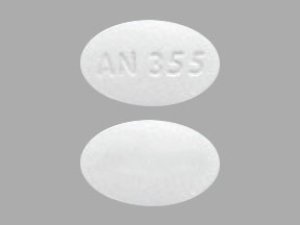
Famotidine 40 mg Tablets is available by prescription only. Go ahead and place your purchase. After making payment, we will ensure that a valid prescription is received from your prescriber.
Drug Label Highlights
These highlights do not include all the information needed to use FAMOTIDINE TABLETS safely and effectively. See full prescribing information for FAMOTIDINE TABLETS.
FAMOTIDINE tablets, for oral use
Initial U.S. Approval: 1986
Indications And Usage
Famotidine tablet is a histamine-2 (H2) receptor antagonist indicated (1):
In adult and pediatric patients 40 kg and greater for the treatment of:
active duodenal ulcer (DU).
active gastric ulcer.
symptomatic nonerosive gastroesophageal reflux disease (GERD).
erosive esophagitis due to GERD, diagnosed by biopsy.
In adults for the:
treatment of pathological hypersecretory conditions (e.g., Zollinger-Ellison syndrome, multiple endocrine neoplasias).
reduction of the risk of DU recurrence.
Dosage And Administration
Indication
Recommended Dosage (2.1)
Adult and Pediatric Patients 40 kg and greater
Active DU
40 mg once daily; or
20 mg twice daily
Active Gastric Ulcer
40 mg once daily
Gerd
20 mg twice daily
Erosive Esophagitis
20 mg twice daily; or
40 mg twice daily
Adults
Pathological Hypersecretory Conditions
20 mg every 6 hours; adjust to patient needs; maximum 160 mg every 6 hours
Risk Reduction of DU Recurrence
20 mg once daily
See full prescribing information for complete dosing information, including dosing in renal impairment, and recommended treatment duration. (2.1, 2.2)
Administration (2.3):
Take once daily before bedtime or twice daily in the morning and before bedtime with or without food.
Dosage Forms And Strengths
Tablets: 20 mg, 40 mg (3)
Contraindications
History of serious hypersensitivity reactions (e.g., anaphylaxis) to famotidine or other H2 receptor antagonists. (4)
Warnings And Precautions
- Central Nervous System (CNS)
- Central Nervous System (CNS)
Central Nervous System (CNS) Adverse Reactions: Elderly patients and patients with renal impairment at increased risk; reduce the dosage. (2.2, 5.1, 8.5, 8.6)
GI Malignancy: Absence of GI symptoms does not preclude the presence of gastric malignancy; evaluate prior to initiating therapy. (5.2)
Adverse Reactions
The most common adverse reactions are: headache, dizziness, constipation, and diarrhea. (6.1)
To report SUSPECTED ADVERSE REACTIONS, contact Alembic Pharmaceuticals Limited at 1-866-210-9797 or FDA at 1-800-FDA-1088 or www.fda.gov/medwatch.
Drug Interactions
Drugs Dependent on Gastric pH for Absorption: Systemic exposure of the concomitant drug may be significantly reduced leading to loss of efficacy. See full prescribing information for a list of interacting drugs. (7.1)
Tizanidine (CYP1A2) Substrate: Potential for substantial increases in blood concentrations of tizanidine resulting in hypotension, bradycardia or excessive drowsiness; avoid concomitant use, if possible. (7.2)
Use In Specific Populations
Geriatric Use: Use the lowest effective dose for an elderly patient and monitor renal function. (2.2, 5.1, 8.5)
Renal Impairment: Risk of CNS adverse reactions and QT prolongation in patients with moderate and severe renal impairment; reduce the dosage. (2.2, 8.6)
See 17 for PATIENT COUNSELING INFORMATION and PATIENT COUNSELING INFORMATION.
Revised: 10/2024
DailyMed highlights last updated: 2026-06-24 22:12:06






Reviews
There are no reviews yet.