




Description


Levocetirizine 5 mg Tablets is available by prescription only. Go ahead and place your purchase. After making payment, we will ensure that a valid prescription is received from your prescriber.
Drug Label Highlights
These highlights do not include all the information needed to use LEVOCETIRIZINE DIHYDROCHLORIDE TABLETS safely and effectively. See full prescribing information for LEVOCETIRIZINE DIHYDROCHLORIDE TABLETS.
LEVOCETIRIZINE DIHYDROCHLORIDE tablets, for oral use
Initial U.S. Approval: 1995
Recent Major Changes
Warnings and Precautions, Risk of New Onset Pruritus After Discontinuation of Levocetirizine Dihydrochloride (5.3)
5/2025
Indications And Usage
Levocetirizine dihydrochloride tablets are a histamine H1-receptor antagonist indicated for:
The treatment of the uncomplicated skin manifestations of chronic idiopathic urticaria (1.2)
Dosage And Administration
Chronic Idiopathic Urticaria (2.2)
Adults and children 12 years of age and older: 5 mg once daily in the evening
Children 6 to 11 years of age: 2.5 mg once daily in the evening
Renal Impairment
Adjust the dose in patients 12 years of age and older with decreased renal function (12.3)
Dosage Forms And Strengths
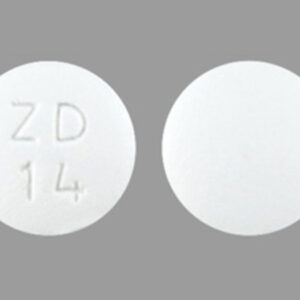
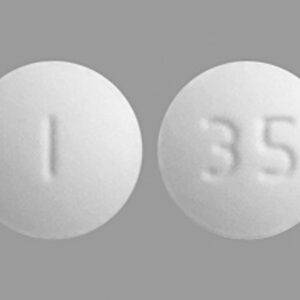
Immediate release breakable (scored) tablets, 5 mg (3)
Contraindications
Patients with a known hypersensitivity to levocetirizine or any of the ingredients of levocetirizine dihydrochloride tablets or to cetirizine (4.1)
Patients with end-stage renal disease at less than 10 mL/min creatinine clearance or patients undergoing hemodialysis (4.2)
Children 6 months to 11 years of age with renal impairment (4.3)
Warnings And Precautions
- , Risk of New Onset Pruritus After Discontinuation of Levocetirizine Dihydrochloride (5.3) 5/2025 INDICATIONS AND USAGE Levocetirizine dihydrochloride tablets are a histamine H1-receptor antagonist indicated for:
- The treatment of the uncomplicated skin manifestations of chronic idiopathic urticaria (1.2) DOSAGE AND ADMINISTRATION Chronic Idiopathic Urticaria (2.2)
- Adults and children 12 years of age and older: 5 mg once daily in the evening
- Children 6 to 11 years of age: 2.5 mg once daily in the evening
- Renal Impairment Adjust the dose in patients 12 years of age and older with decreased renal function (12.3) DOSAGE FORMS AND STRENGTHS
- Immediate release breakable (scored) tablets, 5 mg (3) CONTRAINDICATIONS
- Patients with a known hypersensitivity to levocetirizine or any of the ingredients of levocetirizine dihydrochloride tablets or to cetirizine (4.1)
- Patients with end-stage renal disease at less than 10 mL/min creatinine clearance or patients undergoing hemodialysis (4.2)
- , Risk of New Onset Pruritus After Discontinuation of Levocetirizine Dihydrochloride (5.3) 5/2025 INDICATIONS AND USAGE Levocetirizine dihydrochloride tablets are a histamine H1-receptor antagonist indicated for:
- The treatment of the uncomplicated skin manifestations of chronic idiopathic urticaria (1.2) DOSAGE AND ADMINISTRATION Chronic Idiopathic Urticaria (2.2)
- Adults and children 12 years of age and older: 5 mg once daily in the evening
- Children 6 to 11 years of age: 2.5 mg once daily in the evening
- Renal Impairment Adjust the dose in patients 12 years of age and older with decreased renal function (12.3) DOSAGE FORMS AND STRENGTHS
- Immediate release breakable (scored) tablets, 5 mg (3) CONTRAINDICATIONS
- Patients with a known hypersensitivity to levocetirizine or any of the ingredients of levocetirizine dihydrochloride tablets or to cetirizine (4.1)
- Patients with end-stage renal disease at less than 10 mL/min creatinine clearance or patients undergoing hemodialysis (4.2)
Somnolence: Somnolence, fatigue, and asthenia have been reported with use of levocetirizine dihydrochloride in some patients in clinical trials. Avoid engaging in hazardous occupations requiring complete mental alertness such as driving or operating machinery when taking levocetirizine dihydrochloride. Avoid concurrent use of alcohol or other central nervous system depressants with levocetirizine dihydrochloride (5.1).
Urinary Retention: Urinary retention has been reported with use of levocetirizine dihydrochloride. Use with caution in patients with predisposing factors of urinary retention (e.g. spinal cord lesion, prostatic hyperplasia). Discontinue levocetirizine dihydrochloride if urinary retention occurs (5.2).
Risk of New Onset Pruritus After Discontinuation of Levocetirizine Dihydrochloride: New onset pruritus within a few days after discontinuation of levocetirizine dihydrochloride has been reported, usually after long-term use (e.g., few months to years) of levocetirizine dihydrochloride. Symptoms may improve with restarting or tapering levocetirizine dihydrochloride (5.3).
Adverse Reactions
The most common adverse reactions (rate ≥2% and > placebo) were somnolence, nasopharyngitis, fatigue, dry mouth, and pharyngitis in subjects 12 years of age and older, and pyrexia, somnolence, cough, and epistaxis in children 6 to 12 years of age. In subjects 1 to 5 years of age, the most common adverse reactions (rate ≥2% and > placebo) were pyrexia, diarrhea, vomiting, and otitis media. In subjects 6 to 11 months of age, the most common adverse reactions (rate ≥3% and > placebo) were diarrhea and constipation. (6.1).
To report SUSPECTED ADVERSE REACTIONS, contact Teva at 1-888-838-2872 or FDA at 1-800-FDA-1088 or www.fda.gov/medwatch.
Use In Specific Populations
Renal Impairment
Because levocetirizine dihydrochloride is substantially excreted by the kidneys, the risk of adverse reactions to this drug may be greater in patients with impaired renal function (8.6, 12.3).
Pediatric Use
Do not exceed the recommended doses of 2.5 mg and 1.25 mg once daily in children 6 to 11 years and 6 months to 5 years of age, respectively. Systemic exposure with these doses in respective pediatric age groups is comparable to that from a 5 mg once daily dose in adults (12.3).
See 17 for PATIENT COUNSELING INFORMATION.
Revised: 8/2025
DailyMed highlights last updated: 2026-06-24 22:41:09








Reviews
There are no reviews yet.