




Description


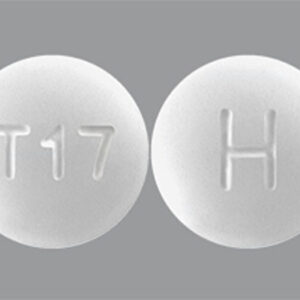
Metoprolol Succinate (Extended Release) 25 mg Tablets is available by prescription only. Go ahead and place your purchase. After making payment, we will ensure that a valid prescription is received from your prescriber.
Drug Label Highlights
These highlights do not include all the information needed to use metoprolol succinate extended-release tablets safely and effectively. See full prescribing information for metoprolol succinate extended-release tablets.
METOPROLOL succinate extended-release tablets USP, for oral use
Initial U.S. Approval: 1992
Recent Major Changes
WARNINGS AND PRECAUTIONS, Bradycardia (
5.4) 04/2022
Indications And Usage
Metoprolol succinate extended-release tablets, metoprolol succinate,
beta-adrenergic blocker indicated for the treatment of:
Hypertension, to lower blood pressure. Lowering blood pressure reduces the risk of fatal and non-fatal cardiovascular events, primarily strokes and myocardial infarctions.(
1.1)
Angina Pectoris. (
1.2)
Heart Failure, to reduce the risk of cardiovascular mortality and heart failure hospitalizations in patients with heart failure(
1.3)
Dosage And Administration
Administer once daily. Titrate at weekly or longer intervals as needed and tolerated.(
2)
Hypertension: Starting dose is 25 to 100 mg.(
2.1)
Angina Pectoris: Starting dose is 100 mg. (
2.2)
Heart Failure: Starting dose is 12.5 or 25 mg. (
2.3)
Switching from immediate-release metoprolol to metoprolol succinate extended-release tablets: use the same total daily dose of metoprolol succinate extended-release tablets. (
2)
Dosage Forms And Strengths
Metoprolol succinate extended-release tablets (metoprolol succinate): 25 mg, 50 mg, 100 mg and 200 mg (
3)
Contraindications
Known hypersensitivity to product components. (
4)
Severe bradycardia: Greater than first degree heart block, or sick sinus syndrome without a pacemaker.(
4)
Cardiogenic shock or decompensated heart failure. (
4)
Warnings And Precautions
- , Bradycardia ( 5.4) 04/2022 INDICATIONS AND USAGE Metoprolol succinate extended-release tablets, metoprolol succinate, beta-adrenergic blocker indicated for the treatment of:
- Hypertension, to lower blood pressure. Lowering blood pressure reduces the risk of fatal and non-fatal cardiovascular events, primarily strokes and myocardial infarctions.( 1.1)
- Angina Pectoris. ( 1.2)
- Heart Failure, to reduce the risk of cardiovascular mortality and heart failure hospitalizations in patients with heart failure( 1.3) DOSAGE AND ADMINISTRATION
- Administer once daily. Titrate at weekly or longer intervals as needed and tolerated.( 2)
- Hypertension: Starting dose is 25 to 100 mg.( 2.1)
- Angina Pectoris: Starting dose is 100 mg. ( 2.2)
- Heart Failure: Starting dose is 12.5 or 25 mg. ( 2.3)
- , Bradycardia ( 5.4) 04/2022 INDICATIONS AND USAGE Metoprolol succinate extended-release tablets, metoprolol succinate, beta-adrenergic blocker indicated for the treatment of:
- Hypertension, to lower blood pressure. Lowering blood pressure reduces the risk of fatal and non-fatal cardiovascular events, primarily strokes and myocardial infarctions.( 1.1)
- Angina Pectoris. ( 1.2)
- Heart Failure, to reduce the risk of cardiovascular mortality and heart failure hospitalizations in patients with heart failure( 1.3) DOSAGE AND ADMINISTRATION
- Administer once daily. Titrate at weekly or longer intervals as needed and tolerated.( 2)
- Hypertension: Starting dose is 25 to 100 mg.( 2.1)
- Angina Pectoris: Starting dose is 100 mg. ( 2.2)
- Heart Failure: Starting dose is 12.5 or 25 mg. ( 2.3)
Abrupt cessation may exacerbate myocardial ischemia. (
5)
Heart Failure: Worsening cardiac failure may occur. (
5.2)
Bronchospastic Disease: Avoid beta blockers. (
5.3)
Concomitant use of glycosides, clonidine, and diltiazem and verapamil with beta-blockers can increase the risk of bradycardia. (
5.4)
Pheochromocytoma: Initiate therapy with an alpha blocker. (
5.5)
Major Surgery: Avoid initiation of high-dose extended-release metoprolol in patients undergoing non-cardiac surgery. Do not routinely withdraw chronic beta blocker therapy prior to surgery.(
5.6,
6.1)
Diabetes and Hypoglycemia: May mask tachycardia occurring with hypoglycemia.(
5.7)
Thyrotoxicosis: Abrupt withdrawal in patients with thyrotoxicosis might precipitate a thyroid storm.(
5.8)
Peripheral Vascular Disease: Can aggravate symptoms of arterial insufficiency.(
5.9)
Patients may be unresponsive to the usual doses of epinephrine used to treat allergic reaction. (
5.10)
Adverse Reactions
Most common adverse reactions: tiredness, dizziness, depression, shortness of breath, bradycardia, hypotension, diarrhea, pruritus, rash. (
6.1)
To report SUSPECTED ADVERSE REACTIONS, contact Oryza Pharmaceuticals, Inc. at 1-866-637-4281 or FDA at 1-800-FDA-1088 or www.fda.gov/medwatch.
Drug Interactions
Catecholamine-depleting drugs may have an additive effect when given with beta-blocking agents. (
7.1)
CYP2D6 Inhibitors are likely to increase metoprolol concentration. (
7.2)
Concomitant use of glycosides, clonidine, and diltiazem and verapamil with beta-blockers can increase the risk of bradycardia. (
7.3)
Beta-blockers including metoprolol, may exacerbate the rebound hypertension that can follow the withdrawal of clonidine. (
7.3)
Use In Specific Populations
Hepatic Impairment: Consider initiating metoprolol succinate extended-release tablets therapy at low doses and gradually increase dosage to optimize therapy, while monitoring closely for adverse events. (
8.6)
See 17 for PATIENT COUNSELING INFORMATION.
Revised: 4/2022
DailyMed highlights last updated: 2026-06-24 22:16:17




Reviews
There are no reviews yet.