




Description


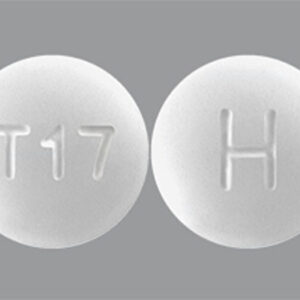
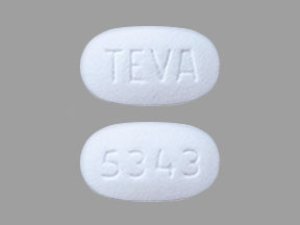
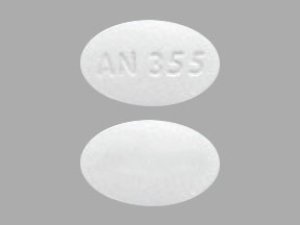
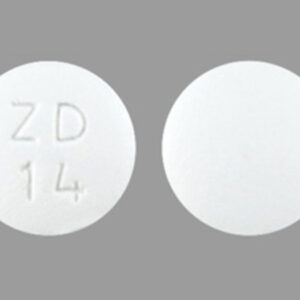
Sertraline 50 mg Tablets is available by prescription only. Go ahead and place your purchase. After making payment, we will ensure that a valid prescription is received from your prescriber.
Drug Label Highlights
These highlights do not include all the information needed to use SERTRALINE HYDROCHLORIDE TABLETS safely and effectively. See full prescribing information for SERTRALINE HYDROCHLORIDE TABLETS.
SERTRALINE HYDROCHLORIDE tablets, for oral use
Initial U.S. Approval: 1991
Warning: Suicidal Thoughts And Behaviors
See full prescribing information for complete boxed warning.
Antidepressants increased the risk of suicidal thoughts and behaviors in pediatric and young adult patients (5.1)
Closely monitor for clinical worsening and emergence of suicidal thoughts and behaviors (5.1)
Indications And Usage
Sertraline hydrochloride tablets are a selective serotonin reuptake inhibitor (SSRI) indicated for the treatment of (1):
Major depressive disorder (MDD)
Obsessive-compulsive disorder (OCD)
Panic disorder (PD)
Post-traumatic stress disorder (PTSD)
Social anxiety disorder (SAD)
Premenstrual dysphoric disorder (PMDD)
Dosage And Administration
IndicationStarting DosageMaximum Dosage
MDD (2.1) 50 mg per day 200 mg per day
OCD (2.1) 25 mg per day (ages 6-12)
50 mg per day (ages ≥ 13) 200 mg per day
PD, PTSD, SAD (2.1) 25 mg per day 200 mg per day
PMDD (2.2) continuous dosing 50 mg per day 150 mg per day
PMDD (2.2) intermittent dosing 50 mg per day during luteal phase only 100 mg per day during luteal phase only
If inadequate response to starting dosage, titrate in 25-50 mg per day increments once weekly in MDD, OCD, PD, PTSD, and SAD (2.1)
See Full Prescribing Information for titration in PMDD (2.2)
Hepatic impairment:
Mild: Recommended starting and maximum dosage is half recommended dosage (2.4)
Moderate or severe: Not recommended (2.4)
When discontinuing sertraline hydrochloride tablets, reduce dose gradually (2.6, 5.4)
Dosage Forms And Strengths
Tablets: 25 mg, 50 mg and 100 mg (3)
Contraindications
Concomitant use of monoamine oxidase inhibitors (MAOIs), or use within 14 days of stopping MAOIs (4, 7.1)
Concomitant use of pimozide (4, 7.1)
Known hypersensitivity to sertraline or excipients (4, 5.4)
Warnings And Precautions
- Serotonin Syndrome: Increased risk when co-administered with other serotonergic agents, but also when taken alone. If it occurs, discontinue sertraline hydrochloride and serotonergic agents and initiate supportive treatment. (5.2)
- Increased Risk of Bleeding: Concomitant use of aspirin, nonsteroidal anti-inflammatory drugs (NSAIDs), other antiplatelet drugs, warfarin, and other anticoagulants may increase this risk. (5.3)
- Activation of Mania/Hypomania: Screen patients for bipolar disorder. (5.4)
- Seizures: Use with caution in patients with seizure disorders. (5.6)
- Angle Closure Glaucoma: Avoid use of antidepressants, including sertraline hydrochloride in patients with untreated anatomically narrow angles. (5.7)
- QTc Prolongation: Sertraline hydrochloride should be used with caution in patients with risk factors for QTc prolongation. (5.10)
- Sexual Dysfunction: Sertraline hydrochloride may cause symptoms of sexual dysfunction. (5.11)
- Serotonin Syndrome: Increased risk when co-administered with other serotonergic agents, but also when taken alone. If it occurs, discontinue sertraline hydrochloride and serotonergic agents and initiate supportive treatment. (5.2)
- Increased Risk of Bleeding: Concomitant use of aspirin, nonsteroidal anti-inflammatory drugs (NSAIDs), other antiplatelet drugs, warfarin, and other anticoagulants may increase this risk. (5.3)
- Activation of Mania/Hypomania: Screen patients for bipolar disorder. (5.4)
- Seizures: Use with caution in patients with seizure disorders. (5.6)
- Angle Closure Glaucoma: Avoid use of antidepressants, including sertraline hydrochloride in patients with untreated anatomically narrow angles. (5.7)
- QTc Prolongation: Sertraline hydrochloride should be used with caution in patients with risk factors for QTc prolongation. (5.10)
- Sexual Dysfunction: Sertraline hydrochloride may cause symptoms of sexual dysfunction. (5.11)
Serotonin Syndrome: Increased risk when co-administered with other serotonergic agents, but also when taken alone. If it occurs, discontinue sertraline hydrochloride and serotonergic agents and initiate supportive treatment. (5.2)
Increased Risk of Bleeding: Concomitant use of aspirin, nonsteroidal anti-inflammatory drugs (NSAIDs), other antiplatelet drugs, warfarin, and other anticoagulants may increase this risk. (5.3)
Activation of Mania/Hypomania: Screen patients for bipolar disorder. (5.4)
Seizures: Use with caution in patients with seizure disorders. (5.6)
Angle Closure Glaucoma: Avoid use of antidepressants, including sertraline hydrochloride in patients with untreated anatomically narrow angles. (5.7)
QTc Prolongation: Sertraline hydrochloride should be used with caution in patients with risk factors for QTc prolongation. (5.10)
Sexual Dysfunction: Sertraline hydrochloride may cause symptoms of sexual dysfunction. (5.11)
Adverse Reactions
Most common adverse reactions (≥5% and twice placebo) in pooled placebo-controlled MDD, OCD, PD, PTSD, SAD and PMDD clinical trials were nausea, diarrhea/loose stool, tremor, dyspepsia, decreased appetite, hyperhidrosis, ejaculation failure, and decreased libido (6.1)
To report SUSPECTED ADVERSE REACTIONS, contact Cipla Ltd. at 1-866-604-3268 or FDA at 1-800-FDA-1088 or www.fda.gov/medwatch.
Drug Interactions
Protein-bound drugs: Monitor for adverse reactions and reduce dosage of sertraline hydrochloride or other protein-bound drugs (e.g., warfarin) as warranted. (7.1, 12.3)
CYP2D6 substrates: Reduce dosage of drugs metabolized by CYP2D6 (7.1, 12.3)
Use In Specific Populations
Pregnancy: Third trimester use may increase risk for persistent pulmonary hypertension and withdrawal in the neonate (8.1)
Pediatric use: Safety and effectiveness of sertraline hydrochloride in pediatric patients other than those with OCD have not been established (8.4)
See 17 for PATIENT COUNSELING INFORMATION and Medication Guide.
Revised: 2/2026
DailyMed highlights last updated: 2026-06-24 23:08:57




Reviews
There are no reviews yet.