




Description


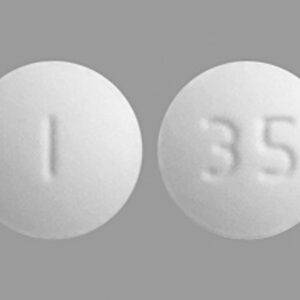
Tizanidine 4 mg Tablets is available by prescription only. Go ahead and place your purchase. After making payment, we will ensure that a valid prescription is received from your prescriber.
Drug Label Highlights
These highlights do not include all the information needed to use TIZANIDINE TABLETS safely and effectively. See full prescribing information for TIZANIDINE TABLETS.
TIZANIDINE tablets, for oral use
Initial U.S. Approval:1996
Recent Major Changes
Indications and Usage (1) 11/2024
Dosage and Administration (2.1, 2.2, 2.3, 2.4, 2.5, 2.6) 11/2024
Contraindications (4) 11/2024
Warnings and Precautions (5.1, 5.2, 5.4, 5.5) 11/2024
Indications And Usage
Tizanidine is a central alpha-2-adrenergic agonist indicated for the treatment of spasticity. (1)
Dosage And Administration
Monitoring of aminotransferase levels is recommended at baseline and 1 month after maximum dose is achieved. (2.1)
Recommended starting dose: 2 mg by mouth every 6 to 8 hours, as needed, up to a maximum of 3 doses in 24 hours (2.2)
Dosage can be increased by 2 mg to 4 mg per dose every 1 to 4 days; maximum total daily dosage is 36 mg (2.2)
Tizanidine pharmacokinetics differs between tablets and capsules, and when taken with or without food. These differences could result in a change in tolerability and control of symptoms. Consistent administration with respect to food is recommended. If substitution between dosage forms is necessary, take into consideration these pharmacokinetic differences. (2.2, 2.6, 12.3)
Patients with renal impairment (creatinine clearance <25 mL/min) or hepatic impairment: use lower individual doses during titration. If higher doses are required, individual doses rather than dosing frequency should be increased. (2.3, 2.4)
To discontinue tizanidine, decrease dose slowly to minimize the risk of withdrawal adverse reactions (2.5)
Dosage Forms And Strengths
Tablets 2 mg and 4 mg (3)
Contraindications
Concomitant use with strong CYP1A2 inhibitors (4, 7.1)
Patients with a history of hypersensitivity to tizanidine or the ingredients in Tizanidine (4, 5.5)
Warnings And Precautions
- (5.1, 5.2, 5.4, 5.5) 11/2024 INDICATIONS AND USAGE Tizanidine is a central alpha-2-adrenergic agonist indicated for the treatment of spasticity. (1) DOSAGE AND ADMINISTRATION
- Monitoring of aminotransferase levels is recommended at baseline and 1 month after maximum dose is achieved. (2.1)
- Recommended starting dose: 2 mg by mouth every 6 to 8 hours, as needed, up to a maximum of 3 doses in 24 hours (2.2)
- Dosage can be increased by 2 mg to 4 mg per dose every 1 to 4 days; maximum total daily dosage is 36 mg (2.2)
- Tizanidine pharmacokinetics differs between tablets and capsules, and when taken with or without food. These differences could result in a change in tolerability and control of symptoms. Consistent administration with respect to food is recommended. If substitution between dosage forms is necessary, take into consideration these pharmacokinetic differences. (2.2, 2.6, 12.3)
- Patients with renal impairment (creatinine clearance <25 mL/min) or hepatic impairment: use lower individual doses during titration. If higher doses are required, individual doses rather than dosing frequency should be increased. (2.3, 2.4)
- To discontinue tizanidine, decrease dose slowly to minimize the risk of withdrawal
- (5.1, 5.2, 5.4, 5.5) 11/2024 INDICATIONS AND USAGE Tizanidine is a central alpha-2-adrenergic agonist indicated for the treatment of spasticity. (1) DOSAGE AND ADMINISTRATION
- Monitoring of aminotransferase levels is recommended at baseline and 1 month after maximum dose is achieved. (2.1)
- Recommended starting dose: 2 mg by mouth every 6 to 8 hours, as needed, up to a maximum of 3 doses in 24 hours (2.2)
- Dosage can be increased by 2 mg to 4 mg per dose every 1 to 4 days; maximum total daily dosage is 36 mg (2.2)
- Tizanidine pharmacokinetics differs between tablets and capsules, and when taken with or without food. These differences could result in a change in tolerability and control of symptoms. Consistent administration with respect to food is recommended. If substitution between dosage forms is necessary, take into consideration these pharmacokinetic differences. (2.2, 2.6, 12.3)
- Patients with renal impairment (creatinine clearance <25 mL/min) or hepatic impairment: use lower individual doses during titration. If higher doses are required, individual doses rather than dosing frequency should be increased. (2.3, 2.4)
- To discontinue tizanidine, decrease dose slowly to minimize the risk of withdrawal
Hypotension: monitor for signs and symptoms of hypotension, in particular in patients receiving concurrent antihypertensives; tizanidine should not be used with other α2-adrenergic agonists (5.1, 7.7)
Risk of liver injury: monitor ALTs; discontinue tizanidine if liver injury occurs (5.2)
Sedation: tizanidine may interfere with everyday activities; sedative effects of tizanidine, alcohol, and other central nervous system (CNS) depressants are additive (5.3, 7.4)
Hallucinations: consider discontinuation of tizanidine (5.4)
Adverse Reactions
The most common adverse reactions (greater than 10% of patients taking tizanidine and greater than in patients taking placebo) were dry mouth, somnolence, asthenia, and dizziness (6.1)
To report SUSPECTED ADVERSE REACTIONS, contact Unichem Pharmaceuticals (USA) Inc. at 1-866-562-4616 or FDA at 1-800-FDA-1088 or www.fda.gov/medwatch.
Use In Specific Populations
● Pregnancy: Based on animal data, may cause fetal harm (8.1)
● Geriatric use: Tizanidine should be used with caution in elderly patients because clearance is decreased four-fold (8.5)
See 17 for PATIENT COUNSELING INFORMATION.
Revised: 5/2025
DailyMed highlights last updated: 2026-06-24 22:33:08





Reviews
There are no reviews yet.