
Journal Article Summary
The article focuses on the prescribing practices for hospice patients diagnosed with adult failure to thrive or debility, conditions that indicate significant functional decline and are not simply a part of aging. This topic is important because these patients often experience complex symptoms, including weight loss, depression, and cognitive impairment, and understanding medication management in this population can improve their quality of care. Despite the prevalence of these diagnoses in hospice settings, there is limited research on how medications are prescribed and managed for these patients, making this study a valuable contribution to the field of palliative care.
In this study, researchers conducted a retrospective review of medication data from a national hospice organization, analyzing records of 293 patients admitted with a primary diagnosis of failure to thrive or debility. They evaluated a total of 6,181 medication entries, identifying the most commonly prescribed medications and the extent to which the hospice organization provided them. Findings revealed that analgesics, anxiolytics, and anticholinergics were frequently prescribed, with the hospice organization supplying over 90% of these medications. However, medications aimed at treating cognitive impairment and appetite stimulation were less commonly provided, highlighting a gap in addressing all aspects of these patients' needs.
The study has several limitations, including its retrospective design and the lack of detailed patient information, such as comorbidities and specific medication indications. This means that while the findings provide insight into prescribing trends, they do not fully capture the reasons behind these practices or the actual medication usage by patients. Readers should discuss these findings with their healthcare professionals, especially if they or their loved ones are in hospice care, to ensure that medication management aligns with their specific needs and goals of care. Understanding the implications of medication use in this context can help improve patient safety and overall quality of life.
Medication Safety Note
This journal article summary is provided for educational purposes only and is not medical advice. Always consult a licensed healthcare professional before starting, stopping, or changing any medication.
Article Cited
- Sera Leah, Holmes Holly M., McPherson Mary Lynn. Prescribing practices in hospice patients with adult failure to thrive or debility. Progress in palliative care 2014. DOI: 10.1179/1743291X13Y.0000000068. PMID: 24904199. PMCID: PMC4041741.
Featured Pill Pals Product
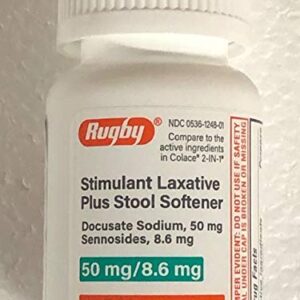
Docusate Sodium /Senna 8.6-50 mg Tablets 100 Count --- Generic for Peri-Colace --- Rugby Pharma --- Over The Counter
Docusate Sodium /Senna 8.6-50 mg Tablets 100 Count — Generic for Peri-Colace — Rugby Pharma — Over The Counter is available through Pill Pals Pharmacy with cash-pay pharmacy pricing and free shipping where available. This is an Over The Counter Product, so no prescription is required.However, your prescriber can still write for it as a prescription, if desired.