




Description


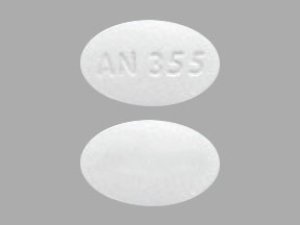
Amoxicillin 875 mg / Clavulanate 125 mg Combination Tablets is available by prescription only. Go ahead and place your purchase. After making payment, we will ensure that a valid prescription is received from your prescriber.
Drug Label Highlights
These highlights do not include all the information needed to use AMOXICILLIN AND CLAVULANATE POTASSIUM safely and effectively. See full prescribing information for AMOXICILLIN AND CLAVULANATE POTASSIUM.
AMOXICILLIN AND CLAVULANATE POTASSIUM tablets, for oral use
AMOXICILLIN AND CLAVULANATE POTASSIUM for oral suspension
AMOXICILLIN AND CLAVULANATE POTASSIUM chewable tablets, for oral use
Initial U.S. Approval: 1984
Recent Major Changes
Warnings and Precautions,
Drug-Induced Enterocolitis Syndrome (DIES) (
5.3)
05/2024
Indications And Usage
Amoxicillin and Clavulanate Potassium is a combination of amoxicillin, a penicillin-class antibacterial and clavulanate potassium, a beta‑lactamase inhibitor indicated for treatment of the following infections in adults and pediatric patients: (
1)
Lower respiratory tract infections
Acute bacterial otitis media
Sinusitis
Skin and skin structure infections
Urinary tract infections
Limitations of Use
When susceptibility test results show susceptibility to amoxicillin, indicating no beta-lactamase production, Amoxicillin and Clavulanate Potassium should not be used. (
1)
Usage
To reduce the development of drug-resistant bacteria and maintain the effectiveness of Amoxicillin and Clavulanate Potassium and other antibacterial drugs, Amoxicillin and Clavulanate Potassium should be used only to treat or prevent infections that are proven or strongly suspected to be caused by bacteria. (
1)
Dosage And Administration
Adults and Pediatric Patients greater than 40 kg: 500 or 875 mg every 12 hours or 250 or 500 mg every 8 hours, based on the amoxicillin component. (
2.2,
2.3)
Pediatric patients aged 12 weeks (3 months) and older: 25 to 45 mg/kg/day every 12 hours or 20 to 40 mg/kg/day every 8 hours, up to the adult dose. (
2.3)
Neonates and infants less than 12 weeks of age: 30 mg/kg/day divided every 12 hours, based on the amoxicillin component. Use of the 125 mg/5 mL oral suspension is recommended. (
2.3)
Dosage Forms And Strengths
Tablets: 250 mg/125 mg, 500 mg/125 mg, 875 mg/125 mg; 875 mg/125 mg tablets are scored. (
3)
For Oral Suspension: 125 mg/31.25 mg per 5 mL, 200 mg/28.5 mg per 5 mL, 250 mg/62.5 mg per 5 mL, 400 mg/57 mg per 5 mL (
3)
Chewable Tablets: 125 mg/31.25 mg, 200 mg/28.5 mg, 250 mg/62.5 mg, 400 mg/57 mg (
3)
Contraindications
History of a serious hypersensitivity reaction (e.g., anaphylaxis or Stevens-Johnson syndrome) to Amoxicillin and Clavulanate Potassium or to other beta‑lactams (e.g., penicillins or cephalosporins). (
4.1)
History of cholestatic jaundice/hepatic dysfunction associated with Amoxicillin and Clavulanate Potassium. (
4.2)
Warnings And Precautions
- , Drug-Induced Enterocolitis Syndrome (DIES) ( 5.3) 05/2024 INDICATIONS AND USAGE Amoxicillin and Clavulanate Potassium is a combination of amoxicillin, a penicillin-class antibacterial and clavulanate potassium, a beta‑lactamase inhibitor indicated for treatment of the following infections in adults and pediatric patients: ( 1)
- Lower respiratory tract infections
- Acute bacterial otitis media
- Sinusitis
- Skin and skin structure infections
- Urinary tract infections Limitations of Use When susceptibility test results show susceptibility to amoxicillin, indicating no beta-lactamase production, Amoxicillin and Clavulanate Potassium should not be used. ( 1) Usage To reduce the development of drug-resistant bacteria and maintain the effectiveness of Amoxicillin and Clavulanate Potassium and other antibacterial drugs, Amoxicillin and Clavulanate Potassium should be used only to treat or prevent infections that are proven or strongly suspected to be caused by bacteria. ( 1) DOSAGE AND ADMINISTRATION
- Adults and Pediatric Patients greater than 40 kg: 500 or 875 mg every 12 hours or 250 or 500 mg every 8 hours, based on the amoxicillin component. ( 2.2, 2.3)
- Pediatric patients aged 12 weeks (3 months) and older: 25 to 45 mg/kg/day every 12 hours or 20 to 40 mg/kg/day every 8 hours, up to the adult dose. ( 2.3)
- , Drug-Induced Enterocolitis Syndrome (DIES) ( 5.3) 05/2024 INDICATIONS AND USAGE Amoxicillin and Clavulanate Potassium is a combination of amoxicillin, a penicillin-class antibacterial and clavulanate potassium, a beta‑lactamase inhibitor indicated for treatment of the following infections in adults and pediatric patients: ( 1)
- Lower respiratory tract infections
- Acute bacterial otitis media
- Sinusitis
- Skin and skin structure infections
- Urinary tract infections Limitations of Use When susceptibility test results show susceptibility to amoxicillin, indicating no beta-lactamase production, Amoxicillin and Clavulanate Potassium should not be used. ( 1) Usage To reduce the development of drug-resistant bacteria and maintain the effectiveness of Amoxicillin and Clavulanate Potassium and other antibacterial drugs, Amoxicillin and Clavulanate Potassium should be used only to treat or prevent infections that are proven or strongly suspected to be caused by bacteria. ( 1) DOSAGE AND ADMINISTRATION
- Adults and Pediatric Patients greater than 40 kg: 500 or 875 mg every 12 hours or 250 or 500 mg every 8 hours, based on the amoxicillin component. ( 2.2, 2.3)
- Pediatric patients aged 12 weeks (3 months) and older: 25 to 45 mg/kg/day every 12 hours or 20 to 40 mg/kg/day every 8 hours, up to the adult dose. ( 2.3)
Serious (including fatal) hypersensitivity reactions: Discontinue Amoxicillin and Clavulanate Potassium if a reaction occurs. (
5.1)
Severe Cutaneous Adverse Reactions (SCAR): Monitor closely. Discontinue if rash progresses. (
5.2)
Drug-induced enterocolitis syndrome (DIES) has been reported with use of amoxicillin, a component of Amoxicillin and Clavulanate Potassium. If this occurs, discontinue Amoxicillin and Clavulanate Potassium and institute appropriate therapy. (
5.3)
Hepatic dysfunction and cholestatic jaundice: Discontinue if signs/symptoms of hepatitis occur. Monitor liver function tests in patients with hepatic impairment. (
5.4)
Clostridioides difficile-associated diarrhea (CDAD): Evaluate patients if diarrhea occurs. (
5.5)
Patients with mononucleosis who receive Amoxicillin and Clavulanate Potassium develop skin rash. Avoid Amoxicillin and Clavulanate Potassium use in these patients. (
5.6)
Overgrowth: The possibility of superinfections with fungal or bacterial pathogens should be considered during therapy. (
5.7)
Adverse Reactions
The most frequently reported adverse effects were diarrhea/loose stools (9%), nausea (3%), skin rashes and urticaria (3%), vomiting (1%) and vaginitis (1%). (
6.1)
To report SUSPECTED ADVERSE REACTIONS, contact USAntibiotics, LLC at 1-844-454-5532 or FDA at 1-800-FDA-1088 or
www.fda.gov/medwatch.
Drug Interactions
Co‑administration with probenecid is not recommended. (
7.1)
Concomitant use of Amoxicillin and Clavulanate Potassium and oral anticoagulants may increase the prolongation of prothrombin time.(
7.2)
Co-administration with allopurinol increases the risk of rash. (
7.3)
Amoxicillin and Clavulanate Potassium may reduce efficacy of oral contraceptives. (
7.4)
Use In Specific Populations
Pediatric Use: Modify dose in patients 12 weeks or younger. (
8.4)
Renal Impairment: Dosage adjustment is recommended for severe renal impairment (GFR less than 30mL/min). (
2.4,
8.6)
See 17 for PATIENT COUNSELING INFORMATION.
Revised: 5/2024
DailyMed highlights last updated: 2026-06-24 22:34:54











Reviews
There are no reviews yet.