
Journal Article Summary
The article investigates the relationship between semaglutide, a medication used to treat type 2 diabetes, and the risk of developing diabetic retinopathy (DR), specifically proliferative diabetic retinopathy (PDR) and treatment-requiring DR or diabetic macular edema (DME). This topic is significant because previous studies have shown conflicting results regarding the potential for semaglutide to increase the risk of these eye complications, which can lead to severe vision problems. Understanding this association is crucial for healthcare providers and patients managing diabetes, as it can influence treatment decisions and monitoring strategies.
In this study, researchers analyzed data from 14 different databases, including both administrative claims and electronic health records, focusing on adults with type 2 diabetes who were new users of semaglutide or other diabetes medications from December 2017 to December 2023. The study included over 800,000 new users of semaglutide and compared their risk of developing PDR and treatment-requiring DR/DME to those using other GLP-1 receptor agonists and non-GLP-1 medications. The findings indicated that the risk of PDR for semaglutide users was similar to that of dulaglutide, empagliflozin, and sitagliptin, and lower than glipizide. Additionally, the risk for treatment-requiring DR/DME was comparable to empagliflozin but lower than dulaglutide and sitagliptin.
Despite these findings, the study has limitations, including the inability to assess the precise staging of DR due to the lack of retinal imaging data in the databases used. Patients should be aware that while the study did not find an increased risk of DR complications with semaglutide, ongoing monitoring by eye care professionals is essential, especially when starting new diabetes medications. It is advisable for patients to discuss any concerns about their treatment and eye health with their healthcare provider to ensure appropriate follow-up and management of potential complications.
Medication Safety Note
This journal article summary is provided for educational purposes only and is not medical advice. Always consult a licensed healthcare professional before starting, stopping, or changing any medication.
Article Cited
- Cai Cindy Xinji, Nishimura Akihiko, Baxter Sally, Goetz Kerry, Hribar Michelle, Toy Brian, Barkmeier Andrew, Wang Sophia, et al.. Semaglutide and diabetic retinopathy: an OHDSI network study. BMJ Open Diabetes Research & Care 2025. DOI: 10.1136/bmjdrc-2025-005424. PMID: 41192935. PMCID: PMC12587949.
Featured Pill Pals Product
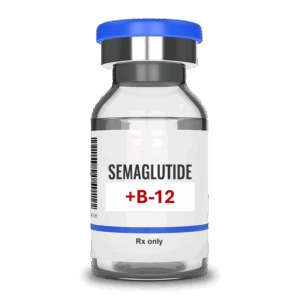
Semaglutide with B-12 --- 10 mg / 2 mg / 4 ml --- 4 ml vial --- Weight Loss Glucagon-Like Peptide-1 (GLP-1)
Semaglutide with B-12 — 10 mg / 2 mg / 4 ml — 4 ml vial — Weight Loss Glucagon-Like Peptide-1 (GLP-1) is available through Pill Pals Pharmacy with cash-pay pharmacy pricing and free shipping where available. Prescription required.
Request a prescription transfer and our pharmacy team will help coordinate the next step.