
Journal Article Summary
The article investigates a phenomenon known as "ouzo" formation, which is an unwanted instability that can occur in certain medications used to treat type 2 diabetes and obesity, specifically focusing on the acylated peptide semaglutide. Understanding this instability is crucial because it can impact the safety and effectiveness of these therapeutic agents. As the prevalence of type 2 diabetes and obesity continues to rise globally, ensuring the stability of these treatments during manufacturing and delivery is of significant importance to public health.
In the study, researchers examined how semaglutide behaves in different conditions, particularly in relation to various container surfaces. They used techniques like light scattering and X-ray scattering to analyze the size and structure of colloidal droplets formed when semaglutide interacts with hydrophobic surfaces. The findings revealed that the formation of these droplets is influenced by the properties of the surfaces and the conditions of the solution, with specific surfaces accelerating the emulsification process. The researchers were able to predict the size of the colloids formed using established physical models, which helps in understanding how to improve the formulation and manufacturing processes for semaglutide.
However, the study has limitations, including the complexity of the interactions between semaglutide and different surfaces, which may not fully represent real-world conditions. Patients and caregivers should be aware that while this research provides valuable insights, it does not offer direct medical advice. It is important for individuals using semaglutide or similar medications to discuss any concerns about stability and formulation with their healthcare providers to ensure safe and effective treatment.
Medication Safety Note
This journal article summary is provided for educational purposes only and is not medical advice. Always consult a licensed healthcare professional before starting, stopping, or changing any medication.
Article Cited
- Li Qi, Tangry Vasudev, Allen David P., Seibert Kevin D., Qian Ken K., Wagner Norman J.. Surface-mediated spontaneous emulsification of the acylated peptide, semaglutide. Proceedings of the National Academy of Sciences of the United States of America 2024. DOI: 10.1073/pnas.2305770121. PMID: 38227645. PMCID: PMC10835113.
Featured Pill Pals Product
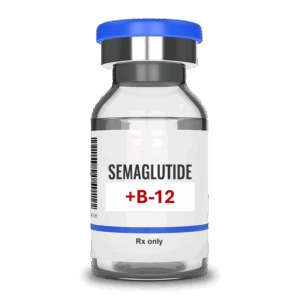
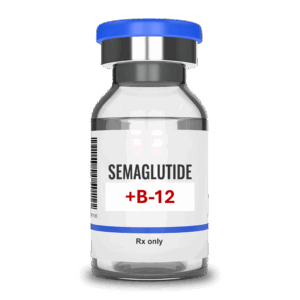
Semaglutide with B-12 --- 10 mg / 2 mg / 4 ml --- 4 ml vial --- Weight Loss Glucagon-Like Peptide-1 (GLP-1)
Semaglutide with B-12 — 10 mg / 2 mg / 4 ml — 4 ml vial — Weight Loss Glucagon-Like Peptide-1 (GLP-1) is available through Pill Pals Pharmacy with cash-pay pharmacy pricing and free shipping where available. Prescription required.
Request a prescription transfer and our pharmacy team will help coordinate the next step.