

Journal Article Summary
The article investigates the effects of escitalopram oxalate, a selective serotonin reuptake inhibitor (SSRI), on glioblastoma multiforme (GBM), a highly aggressive form of brain cancer known for its poor prognosis. Given the challenges in treating GBM, including difficulties in surgical removal and the limitations of current therapies, exploring alternative treatment options is crucial. Previous studies have suggested that SSRIs may have cytotoxic effects on certain cancers, making it important to understand how escitalopram oxalate might influence GBM cells.
The researchers conducted experiments using human glioblastoma cell lines, specifically U-87MG and GBM8401, to assess the impact of escitalopram oxalate on cell proliferation, migration, and apoptosis. They found that escitalopram significantly inhibited the growth and invasive capabilities of U-87MG cells and induced apoptosis in these cells. Additionally, the study showed that escitalopram oxalate triggered autophagy in GBM8401 cells and reduced tumor growth in animal models, suggesting its potential as a therapeutic agent against GBM.
However, the study has limitations, including the use of higher doses of escitalopram oxalate than typically recommended, which raises concerns about safety and potential side effects in clinical settings. Patients should consult healthcare professionals before considering any treatment changes, especially regarding the use of escitalopram oxalate for GBM, as it is primarily prescribed for depression and anxiety disorders. Further research is needed to explore the optimal dosing and combination therapies with existing GBM treatments to enhance patient outcomes.
Medication Safety Note
This journal article summary is provided for educational purposes only and is not medical advice. Always consult a licensed healthcare professional before starting, stopping, or changing any medication.
Article Cited
- Chen Vincent Chin‐Hung, Hsieh Yi‐Hsien, Chen Li‐Jeng, Hsu Tsai‐Ching, Tzang Bor‐Show. Escitalopram oxalate induces apoptosis in U‐87MG cells and autophagy in GBM8401 cells. Journal of Cellular and Molecular Medicine 2017. DOI: 10.1111/jcmm.13372. PMID: 29105282. PMCID: PMC5783874.
Featured Pill Pals Product

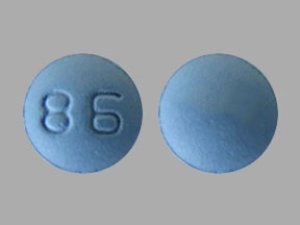
Citalopram 10 mg Tablets --- Generic For Celexa --- Mylan
Citalopram 10 mg Tablets — Generic For Celexa — Mylan is available through Pill Pals Pharmacy with cash-pay pharmacy pricing and free shipping where available. Prescription required.
Request a prescription transfer and our pharmacy team will help coordinate the next step.