
Journal Article Summary
The article investigates how the gut microbiome interacts with two medications for type 2 diabetes, semaglutide and empagliflozin, and whether the composition of the microbiome before treatment can predict how well these medications will work. This topic is important because understanding these interactions could help personalize diabetes treatment, improving outcomes for patients. With the rising prevalence of type 2 diabetes, which affects millions globally, finding effective and tailored treatment options is crucial for managing the disease and preventing complications.
In the study, 20 patients with type 2 diabetes who were already taking metformin participated by providing fecal samples at four different time points: before starting treatment and then at one, three, and twelve months after. Researchers analyzed these samples to assess changes in the gut microbiome and to see if the initial microbiome could predict changes in clinical markers like blood sugar levels and body mass index (BMI). The findings indicated that while semaglutide and empagliflozin did not significantly alter the gut microbiome's diversity, the baseline microbiome composition was associated with changes in blood sugar control, suggesting it could be useful for predicting treatment effectiveness.
However, the study has some limitations, including a small sample size and potential missing data, which could affect the reliability of the results. Patients should be aware that while the gut microbiome may influence treatment outcomes, other factors like lifestyle and overall health also play significant roles. It's advisable for individuals to discuss their treatment options and any concerns about their gut health or diabetes management with their healthcare provider to ensure a personalized and effective approach to their care.
Medication Safety Note
This journal article summary is provided for educational purposes only and is not medical advice. Always consult a licensed healthcare professional before starting, stopping, or changing any medication.
Article Cited
- Klemets Annabel, Reppo Ingrid, Krigul Kertu Liis, Volke Vallo, Aasmets Oliver, Org Elin. Fecal microbiome predicts treatment response after the initiation of semaglutide or empagliflozin uptake. Scientific Reports 2026. DOI: 10.1038/s41598-026-36318-3. PMID: 41580554. PMCID: PMC12902008.
Featured Pill Pals Product
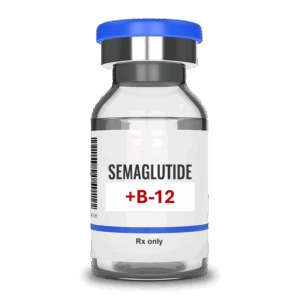
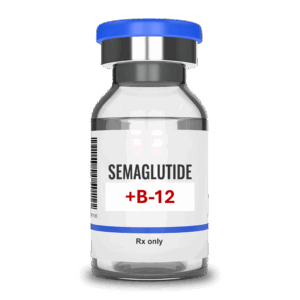
Semaglutide with B-12 --- 10 mg / 2 mg / 4 ml --- 4 ml vial --- Weight Loss Glucagon-Like Peptide-1 (GLP-1)
Semaglutide with B-12 — 10 mg / 2 mg / 4 ml — 4 ml vial — Weight Loss Glucagon-Like Peptide-1 (GLP-1) is available through Pill Pals Pharmacy with cash-pay pharmacy pricing and free shipping where available. Prescription required.
Request a prescription transfer and our pharmacy team will help coordinate the next step.