
Journal Article Summary
The article investigates the effects of fish oil contaminated with persistent organic pollutants (POPs), specifically polychlorinated biphenyls (PCBs) and organochlorine pesticides (OCs), on health markers in rats. This research is important because while fish oil is often recommended for its cardiovascular benefits, concerns about contamination may affect its safety and efficacy. Understanding how these contaminants influence health outcomes can help guide dietary recommendations for fish and fish oil consumption.
In the study, thirty male Sprague-Dawley rats were divided into three groups and fed different oils for nine weeks: unmodified fish oil, contaminated fish oil, and corn oil as a control. The researchers measured various health indicators, including lipid profiles and inflammation markers. They found that both fish oil groups had better lipid profiles and lower inflammation compared to the corn oil group. However, the rats consuming the contaminated fish oil showed increased oxidative stress and reduced antioxidant capacity, indicating potential negative health effects despite some benefits.
The study has limitations, including its focus on rats, which may not fully represent human responses to contaminated fish oil. Additionally, the specific doses of contaminants and their long-term effects were not explored. Patients and caregivers should discuss these findings with healthcare professionals, especially if considering fish oil supplements, to weigh the potential benefits against the risks of contamination and to make informed dietary choices.
Medication Safety Note
This journal article summary is provided for educational purposes only and is not medical advice. Always consult a licensed healthcare professional before starting, stopping, or changing any medication.
Article Cited
- Hong Mee Young, Lumibao Jan, Mistry Prashila, Saleh Rhonda, Hoh Eunha. Fish Oil Contaminated with Persistent Organic Pollutants Reduces Antioxidant Capacity and Induces Oxidative Stress without Affecting Its Capacity to Lower Lipid Concentrations and Systemic Inflammation in Rats123. The Journal of Nutrition 2015. DOI: 10.3945/jn.114.206607. PMID: 25788582. PMCID: PMC4408738.
Featured Pill Pals Product
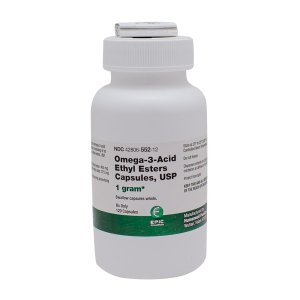
Omega 3 Acid Ethyl Esters --- 1 Gram --- Generic For Lovaza --- Epic Pharma
Omega 3 Acid Ethyl Esters — 1 Gram — Generic For Lovaza — Epic Pharma is available through Pill Pals Pharmacy with cash-pay pharmacy pricing and free shipping where available. Prescription required.
Request a prescription transfer and our pharmacy team will help coordinate the next step.