
Journal Article Summary
The article investigates how dietary omega-3 polyunsaturated fatty acids (n-3 PUFA), specifically docosahexaenoic acid (DHA), affect the immune response of macrophages to Mycobacterium tuberculosis (Mtb), the bacteria responsible for tuberculosis (TB). This topic is significant because TB remains a major global health issue, and understanding how dietary components influence immune responses could help in managing susceptibility to infections. The authors hypothesize that n-3 PUFA may create an environment that weakens the body's ability to fight off Mtb by impairing macrophage activation, which is crucial for controlling bacterial infections.
In their study, the researchers used a murine macrophage-like cell line (J774A.1) and treated these cells with DHA before activating them with interferon-gamma (IFNγ) and infecting them with a virulent strain of Mtb. The findings revealed that DHA treatment led to a significant reduction in the macrophages' ability to control the infection, as evidenced by increased bacterial survival and impaired immune responses. Specifically, DHA-treated cells produced lower levels of key pro-inflammatory cytokines, showed reduced oxidative metabolism, and had diminished phagolysosome maturation, all of which are essential for effective immune function against TB.
The study has limitations, including the use of an in vitro model that may not fully replicate the complexities of human immune responses. Additionally, while the findings suggest that high intake of n-3 PUFA could negatively impact immunity to TB, further research is needed to confirm these effects in living organisms. Patients and caregivers should discuss dietary choices, particularly the intake of omega-3 fatty acids, with healthcare professionals, especially if there are concerns about susceptibility to infections like TB. Understanding the balance of dietary fats and their potential effects on immune health is crucial for making informed nutritional decisions.
Medical Safety Note
This journal article summary is provided for educational purposes only and is not medical advice. Always consult a licensed healthcare professional before starting, stopping, or changing any medication.
Article Cited
- Bonilla Diana L., Ly Lan H., Fan Yang-Yi, Chapkin Robert S., McMurray David N.. Incorporation of a Dietary Omega 3 Fatty Acid Impairs Murine Macrophage Responses to Mycobacterium tuberculosis. PLoS ONE 2010. DOI: 10.1371/journal.pone.0010878. PMID: 20526363. PMCID: PMC2878322.
Featured Pill Pals Product
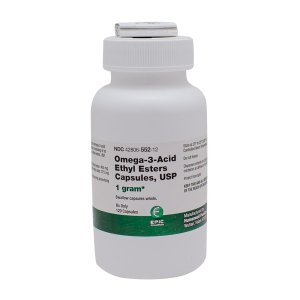
Omega 3 Acid Ethyl Esters --- 1 Gram --- Generic For Lovaza --- Epic Pharma
Omega 3 Acid Ethyl Esters — 1 Gram — Generic For Lovaza — Epic Pharma is available through Pill Pals Pharmacy with cash-pay pharmacy pricing and free shipping where available. Prescription required.
Request a prescription transfer and our pharmacy team will help coordinate the next step.