

Journal Article Summary
The article investigates how oxypurinol, a metabolite of allopurinol, behaves in the body after administering different doses of allopurinol to healthy individuals. This research is important because allopurinol is commonly used to manage conditions like gout by lowering uric acid levels, and understanding how it works can help optimize treatment and improve patient outcomes. By examining the pharmacodynamics of oxypurinol, the study aims to provide insights into its effectiveness and the appropriate dosing needed to achieve desired therapeutic effects.
In this study, eight healthy participants received varying daily doses of allopurinol (50, 100, 300, 600, and 900 mg) over a week for each dose, with a week of rest between treatments. Researchers measured the levels of oxypurinol in the blood, the inhibition of an enzyme called xanthine oxidase, and the concentration of uric acid in both blood and urine. The findings revealed that as the dose of allopurinol increased, the concentration of oxypurinol in the blood also rose, showing a linear relationship up to 600 mg, with some signs of saturation at the highest dose. The study also found that the amount of oxypurinol needed to inhibit xanthine oxidase was lower than what is typically seen in clinical settings.
However, there are limitations to this study, including the small sample size of healthy subjects, which may not fully represent the diverse population of patients who use allopurinol. Additionally, the results may not directly translate to individuals with conditions like gout, who may respond differently to the medication. Patients should discuss their treatment options and any concerns about allopurinol with their healthcare provider, especially regarding dosing and potential side effects, to ensure safe and effective management of their condition.
Medication Safety Note
This journal article summary is provided for educational purposes only and is not medical advice. Always consult a licensed healthcare professional before starting, stopping, or changing any medication.
Article Cited
- GRAHAM S., DAY R. O., WONG H., McLACHLAN A. J., BERGENDAL L., MINERS J. O., BIRKETT D. J.. Pharmacodynamics of oxypurinol after administration of allopurinol to healthy subjects. British Journal of Clinical Pharmacology 1996. DOI: 10.1046/j.1365-2125.1996.03116.x. PMID: 8730975. PMCID: PMC2042594.
Featured Pill Pals Product

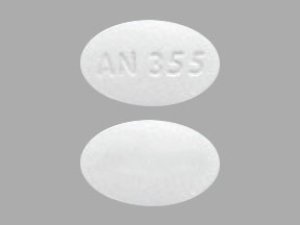
Allopurinol 100 mg Tablets --- Generic For Zyloprim --- Unichem
Allopurinol 100 mg Tablets — Generic For Zyloprim — Unichem is available through Pill Pals Pharmacy with cash-pay pharmacy pricing and free shipping where available. Prescription required.
Request a prescription transfer and our pharmacy team will help coordinate the next step.