




Description


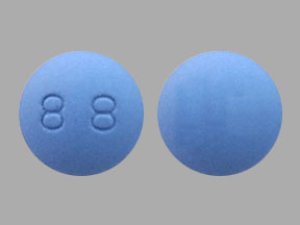
Oxybutynin 5 mg Extended Release Tablets is available by prescription only. Go ahead and place your purchase. After making payment, we will ensure that a valid prescription is received from your prescriber.
Drug Label Highlights
These highlights do not include all the information needed to use OXYBUTYNIN CHLORIDE EXTENDED-RELEASE TABLETS safely and effectively. See full prescribing information for OXYBUTYNIN CHLORIDE EXTENDED-RELEASE TABLETS.
OXYBUTYNIN CHLORIDE Extended-Release Tablets, for oral use
Initial U.S. Approval: 1975
Indications And Usage
Oxybutynin chloride extended-release tablets are a muscarinic antagonist indicated for the treatment of overactive bladder with symptoms of urge urinary incontinence, urgency, and frequency. (1)
Oxybutynin chloride extended-release tablets are also indicated for the treatment of pediatric patients aged 6 years and older with symptoms of detrusor overactivity associated with a neurological condition (e.g., spina bifida). (1)
Dosage And Administration
Oxybutynin chloride extended-release tablets must be swallowed whole with the aid of liquids, and must not be chewed, divided, or crushed. Oxybutynin chloride extended-release tablets may be administered with or without food. (2)
Adults: Start with 5 mg or 10 mg, once daily at approximately the same time every day. Dose should not exceed 30 mg per day. (2.1)
Pediatric patients (6 years of age or older): Start with 5 mg, once daily at approximately the same time every day. Dose should not exceed 20 mg per day. (2.2)
Dosage Forms And Strengths
Extended release tablets 5 mg, 10 mg and 15 mg (3)
Contraindications
Urinary retention (4)
Gastric Retention (4)
Uncontrolled narrow angle glaucoma (4)
Known hypersensitivity to oxybutynin chloride extended-release tablets, oxybutynin or any component of oxybutynin chloride extended-release tablets. (4)
Warnings And Precautions
- Angioedema: Angioedema has been reported with oxybutynin. If symptoms of angioedema occur, discontinue oxybutynin chloride extended-release tablets immediately and initiate appropriate therapy. (5.1)
- Central Nervous System (CNS) effects: CNS effects have been reported with oxybutynin. If patient experiences anticholinergic CNS effects, consider dose adjustment or discontinuation of oxybutynin chloride extended-release tablets. (5.2)
- Use with caution due to aggravation of symptoms:
- Pre-existing dementia in patients treated with cholinesterase inhibitors (5.2),
- Parkinson’s disease (5.2),
- Myasthenia gravis (5.3), and
- Decreased gastrointestinal motility in patients with autonomic neuropathy (5.4).
- Urinary Retention: Use with caution in patients with clinically significant bladder outflow obstruction because of the risk of urinary retention. (5.5)
- Angioedema: Angioedema has been reported with oxybutynin. If symptoms of angioedema occur, discontinue oxybutynin chloride extended-release tablets immediately and initiate appropriate therapy. (5.1)
- Central Nervous System (CNS) effects: CNS effects have been reported with oxybutynin. If patient experiences anticholinergic CNS effects, consider dose adjustment or discontinuation of oxybutynin chloride extended-release tablets. (5.2)
- Use with caution due to aggravation of symptoms:
- Pre-existing dementia in patients treated with cholinesterase inhibitors (5.2),
- Parkinson’s disease (5.2),
- Myasthenia gravis (5.3), and
- Decreased gastrointestinal motility in patients with autonomic neuropathy (5.4).
- Urinary Retention: Use with caution in patients with clinically significant bladder outflow obstruction because of the risk of urinary retention. (5.5)
Angioedema: Angioedema has been reported with oxybutynin. If symptoms of angioedema occur, discontinue oxybutynin chloride extended-release tablets immediately and initiate appropriate therapy. (5.1)
Central Nervous System (CNS) effects: CNS effects have been reported with oxybutynin. If patient experiences anticholinergic CNS effects, consider dose adjustment or discontinuation of oxybutynin chloride extended-release tablets. (5.2)
Use with caution due to aggravation of symptoms:
Pre-existing dementia in patients treated with cholinesterase inhibitors (5.2),
Parkinson’s disease (5.2),
Myasthenia gravis (5.3), and
Decreased gastrointestinal motility in patients with autonomic neuropathy (5.4).
Urinary Retention: Use with caution in patients with clinically significant bladder outflow obstruction because of the risk of urinary retention. (5.5)
Gastrointestinal Adverse Reactions: Use with caution in patients with gastrointestinal obstructive disorders or decreased intestinal motility due to risk of gastric retention. Use with caution in patients with gastroesophageal reflux or in patients concurrently taking drugs that can exacerbate esophagitis. (5.6)
Adverse Reactions
The most common (incidence ≥ 5%) adverse reactions were dry mouth, constipation, diarrhea, headache, somnolence, and dizziness. (6)
To report SUSPECTED ADVERSE REACTIONS, contact Rising Pharma Holdings, Inc. at 1-844-874-7464 or FDA at 1-800-FDA-1088 or www.fda.gov/medwatch. (6)
Drug Interactions
Co-administration with other anticholinergic drugs may increase the frequency and/or severity of anticholinergic-like effects. (7)
Co-administration with strong cytochrome P450 (CYP) 3A4 inhibitors (e.g., ketoconazole) increases the systemic exposure of oxybutynin. (7)
Use In Specific Populations
Pediatric Use: Oxybutynin chloride extended-release tablets are not recommended in pediatric patients who cannot swallow the tablet whole without chewing, dividing or crushing, or in children under the age of 6 years. (8.4)
Renal or Hepatic Impairment: There have been no studies conducted in patients with renal or hepatic impairment. (8.6, 8.7)
See 17 for PATIENT COUNSELING INFORMATION.
Revised: 8/2025
DailyMed highlights last updated: 2026-06-24 22:44:16








Reviews
There are no reviews yet.